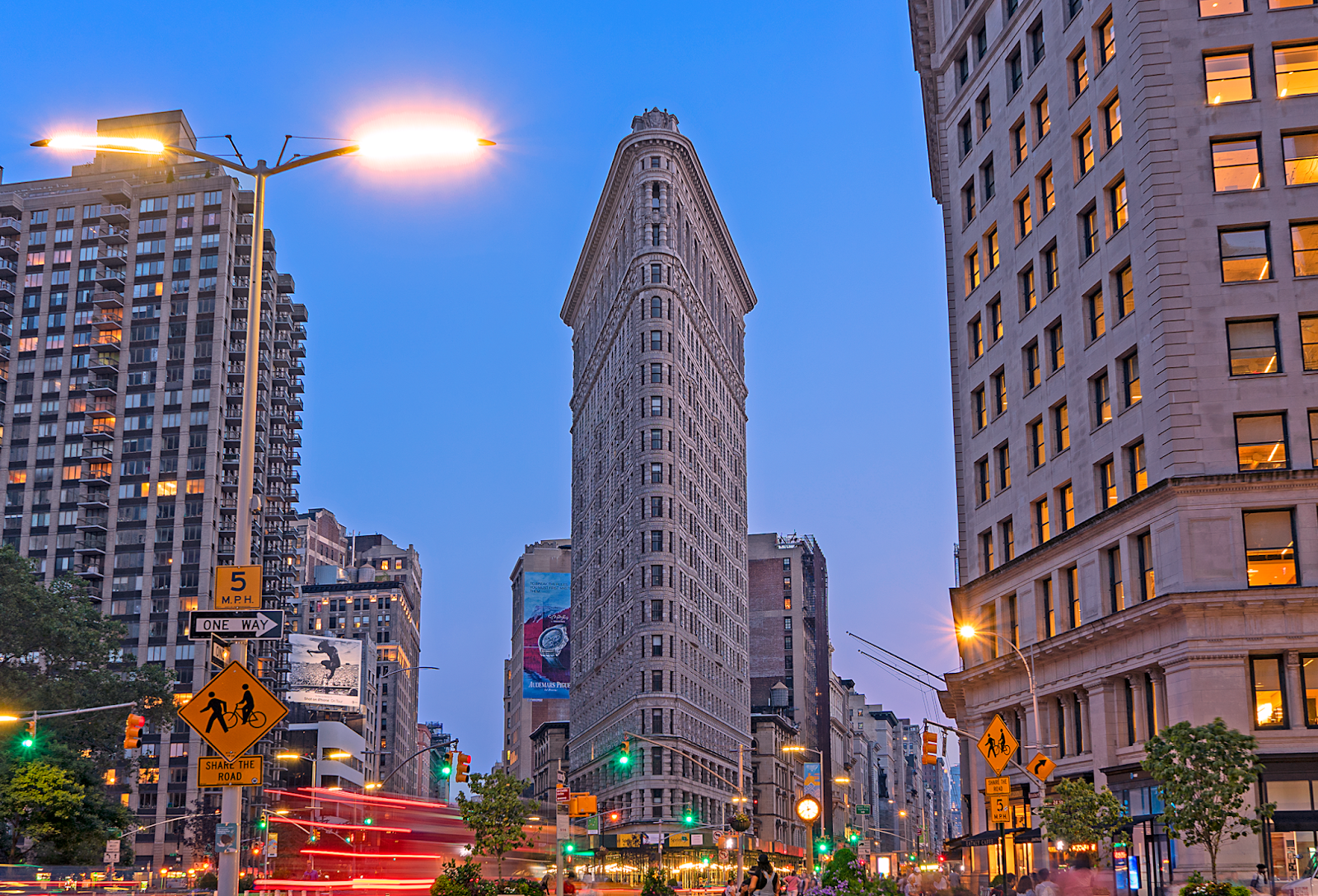
The Flatiron Building. You're looking at a building that was basically a dare.
When Daniel Burnham started construction in nineteen oh one, New Yorkers took one look at the triangular plot — wedged between Broadway and Fifth Avenue like the prow of a ship — and started placing bets. Literal bets. On how far the debris would scatter when the wind knocked it over. They called it Burnham's Folly. The New York Tribune called it — and I'm quoting — a stingy piece of pie and the greatest inanimate troublemaker in New York.
Here's the thing about Daniel Burnham. He failed the entrance exams to Harvard. Then he failed the entrance exams to Yale. Then he tried mining in Nevada. Then he tried politics. Then — with zero formal training in architecture — he designed what would become one of the most photographed buildings on earth. Make no little plans, he once said. They have no magic to stir men's blood. And honestly, failing your way into greatness? That's the most American sentence ever writ
ten.
Now walk to the point. The narrow end. That wedge where Broadway and Fifth Avenue collide at Twenty-Third Street. The building is six and a half feet wide there. Six and a half feet. That's roughly the width of a parking space. And it goes up twenty-two stories.
The engineers — Purdy and Henderson — knew everyone thought it would collapse. So they designed the steel frame to withstand four