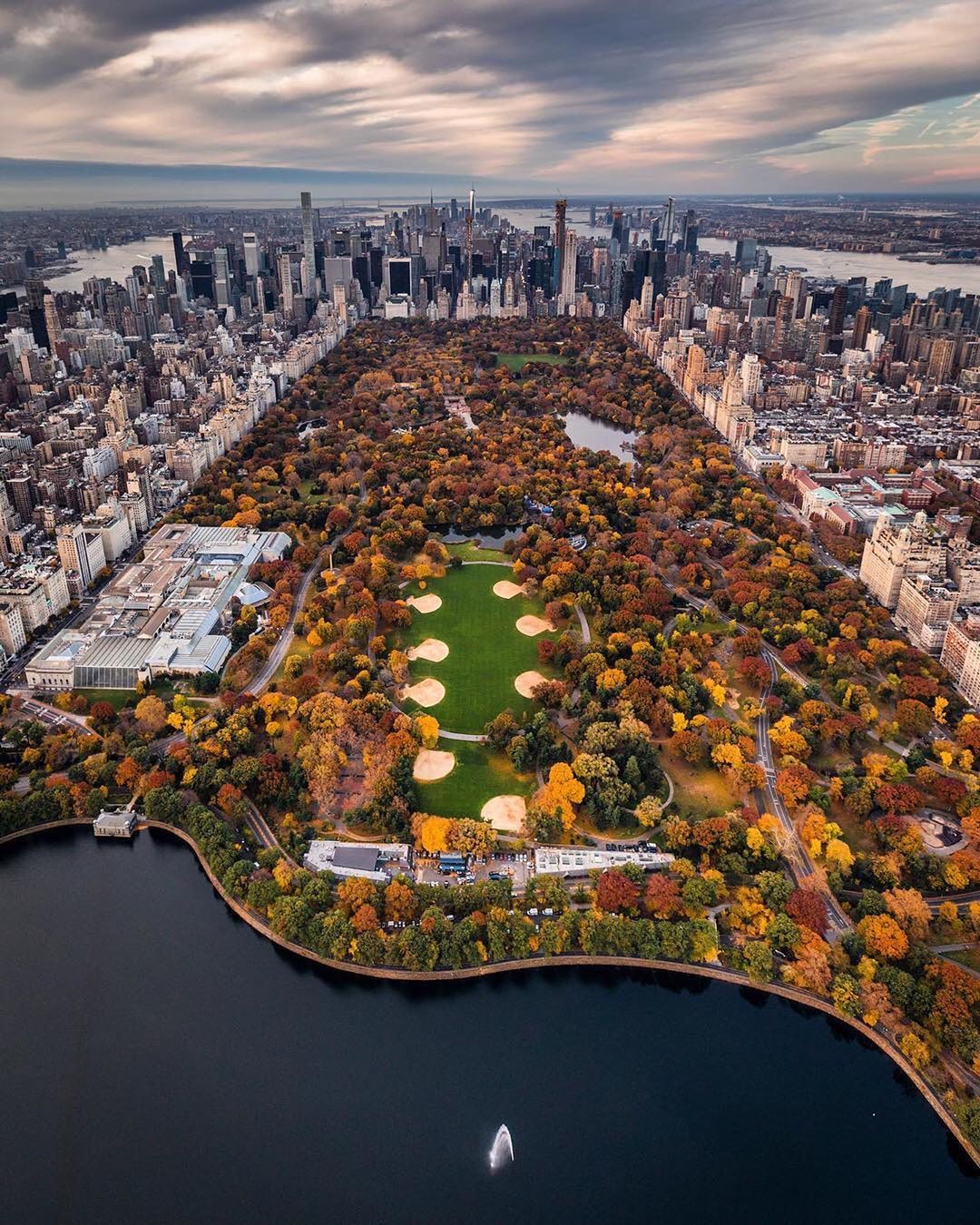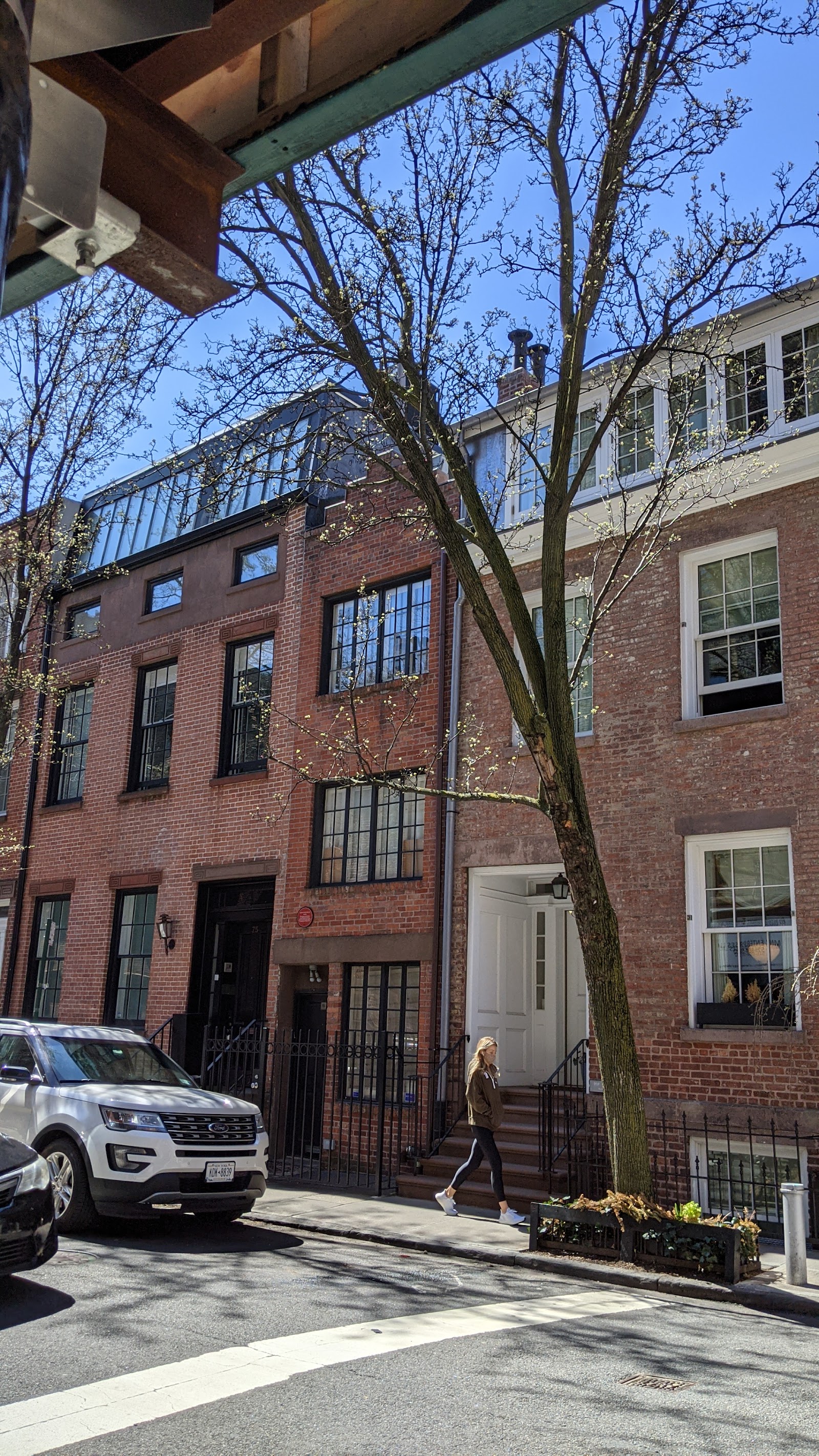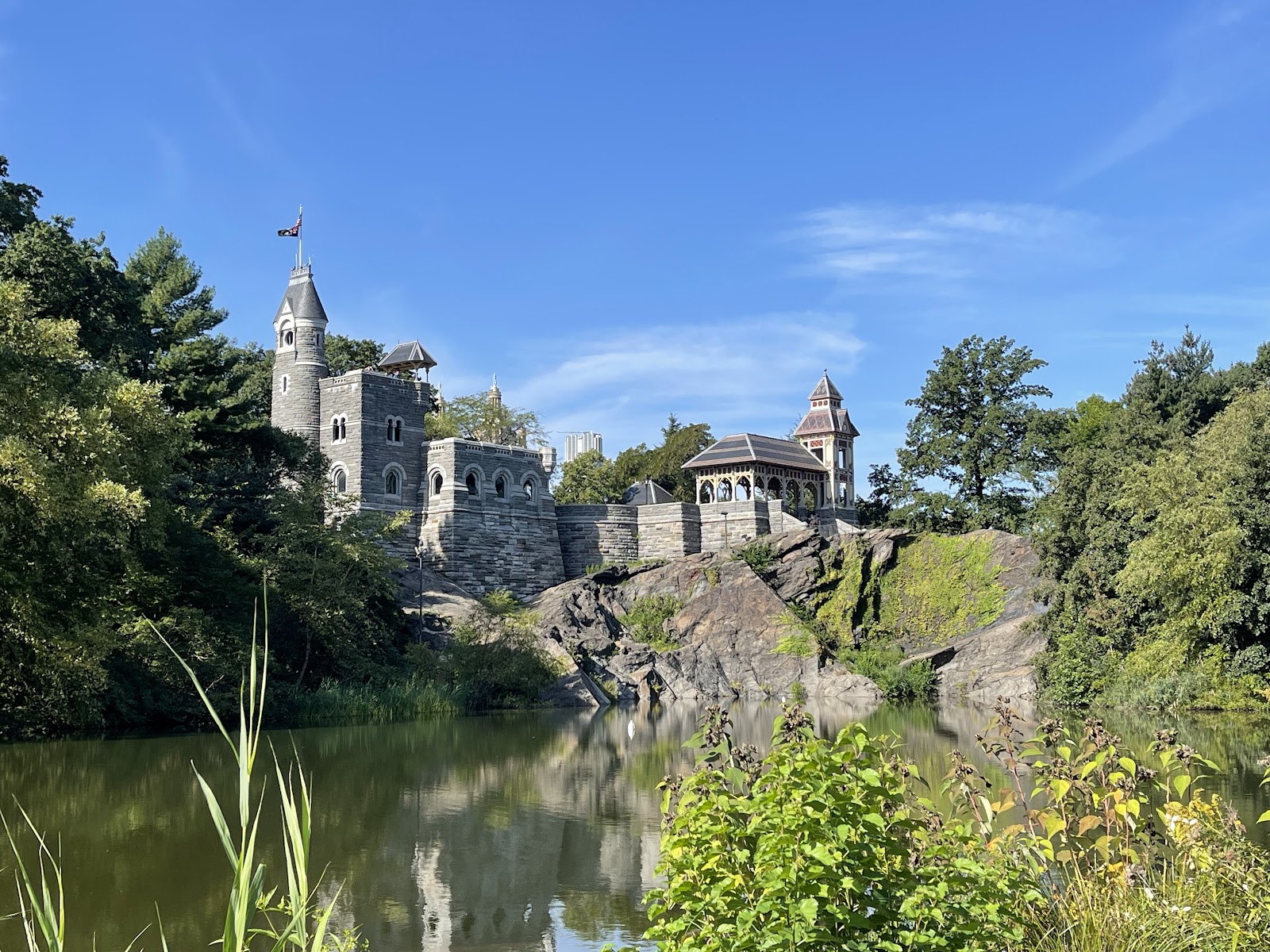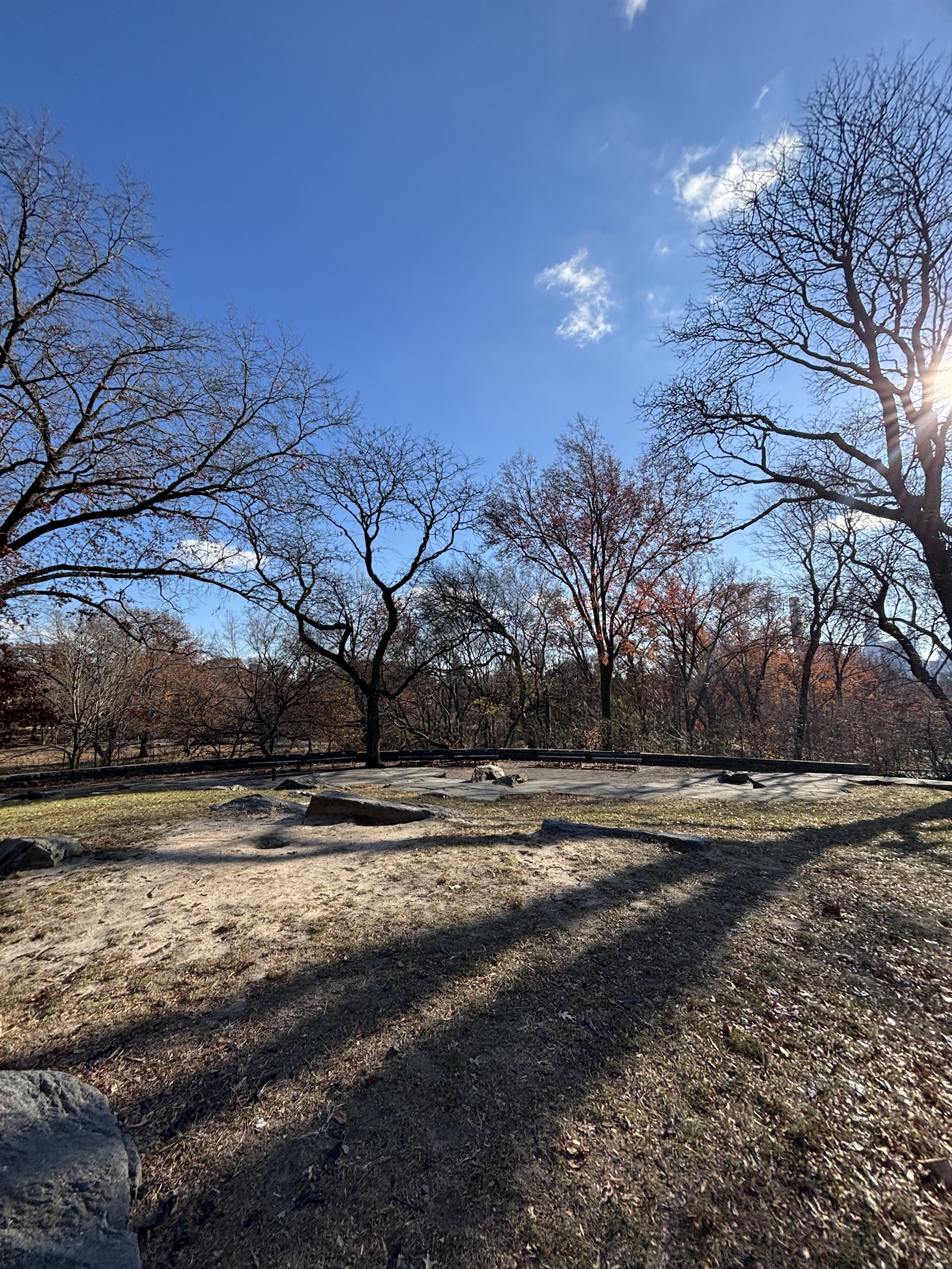
Look around. You see parkland. Trees, grass, paths. A playground. It looks like it's always been this way.
It hasn't.
From eighteen twenty-five to eighteen fifty-seven, this was Seneca Village — the largest community of Black property owners in all of New York City.
On September twenty-seventh, eighteen twenty-five, a twenty-five-year-old shoe shiner named Andrew Williams walked into a land office. He bought three lots for a hundred and twenty-five dollars. The same day, a man named Epiphany Davis — a feed store clerk and church trustee — bought twelve lots for five hundred and seventy-eight dollars. And the trustees of the A-M-E Zion Church bought six lots near Eighty-Sixth Street. They needed a cemetery, because in eighteen twenty-five, Black New Yorkers couldn't bury their dead in most of the city's graveyards.
That was the beginning.
By eighteen fifty-five, Seneca Village had approximately two hundred and twenty-five residents. About two-thirds Black, the rest mostly Irish imm
igrants, with a handful of German families. They had three churches, including All Angels' Church, which was racially integrated — Black, Irish, and German parishioners worshiping together in the eighteen forties. They had two schools, including Colored School Number Three, where a teacher named Caroline W. Simpson taught seventy-five students. They had three cemeteries. They had gardens and stabl