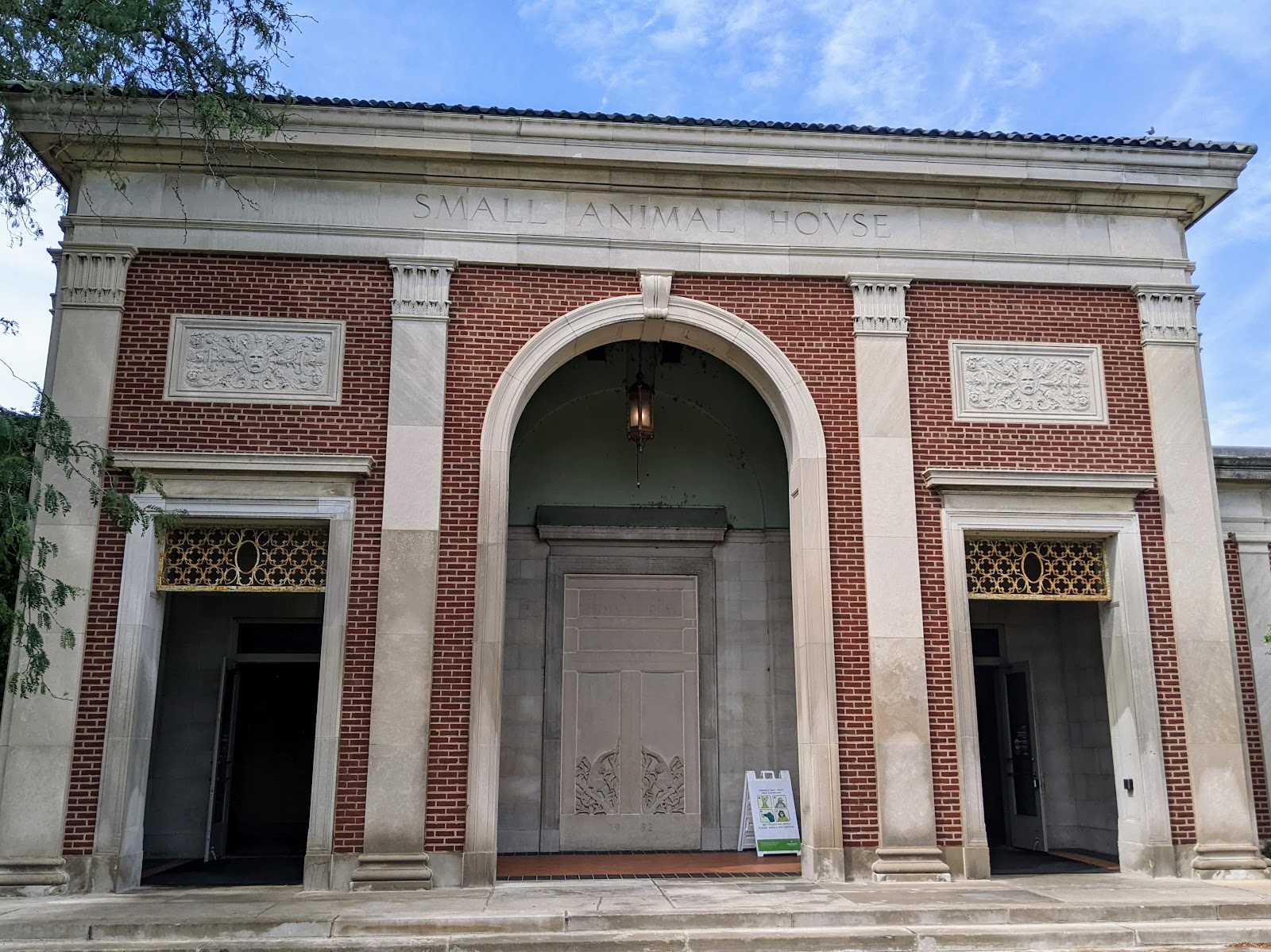
Brick building, arched windows, opened in nineteen twenty-seven. For about twenty years this held the most famous resident of the city of Chicago, and he was a gorilla.
His name was Bushman. He arrived in nineteen thirty as a two-year-old weighing thirty-eight pounds, bought from a missionary in West Africa for three thousand five hundred dollars. He grew to more than five hundred and fifty pounds and over six feet tall.
You have to understand how rare that was. In nineteen thirty almost nobody in America had ever seen a gorilla. There were only a handful in the entire country, nobody properly understood how to keep one alive, and most of them did not last long. A gorilla that survived a few years in captivity was considered a genuine achievement.
This one lasted twenty.
So he stopped being an exhibit and became a fixture. The newspapers covered his appetite and his moods with the seriousness they otherwise gave to aldermen. Schools ran trips out here. People drove across state lin
es and queued outside this brick building, in weather, to look at one animal sitting in a room.
Time magazine called him the best known and most popular civic figure in Chicago.
Civic figure. He outranked the mayor. Over his life, an estimated one hundred million people came through to see him. That is not a crowd. That is a pilgrimage with a streetcar stop.
Then, in the fall of nineteen fifty,