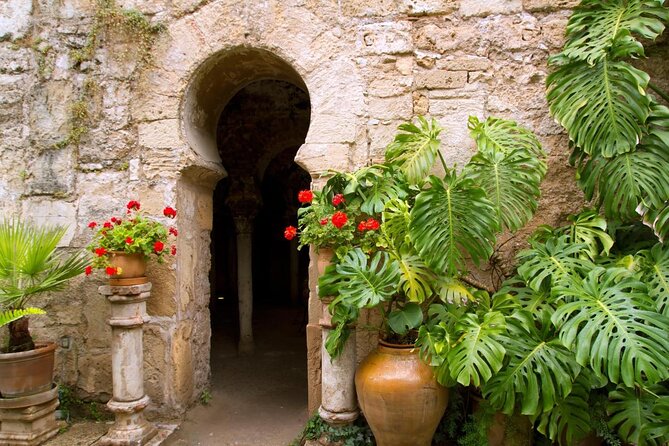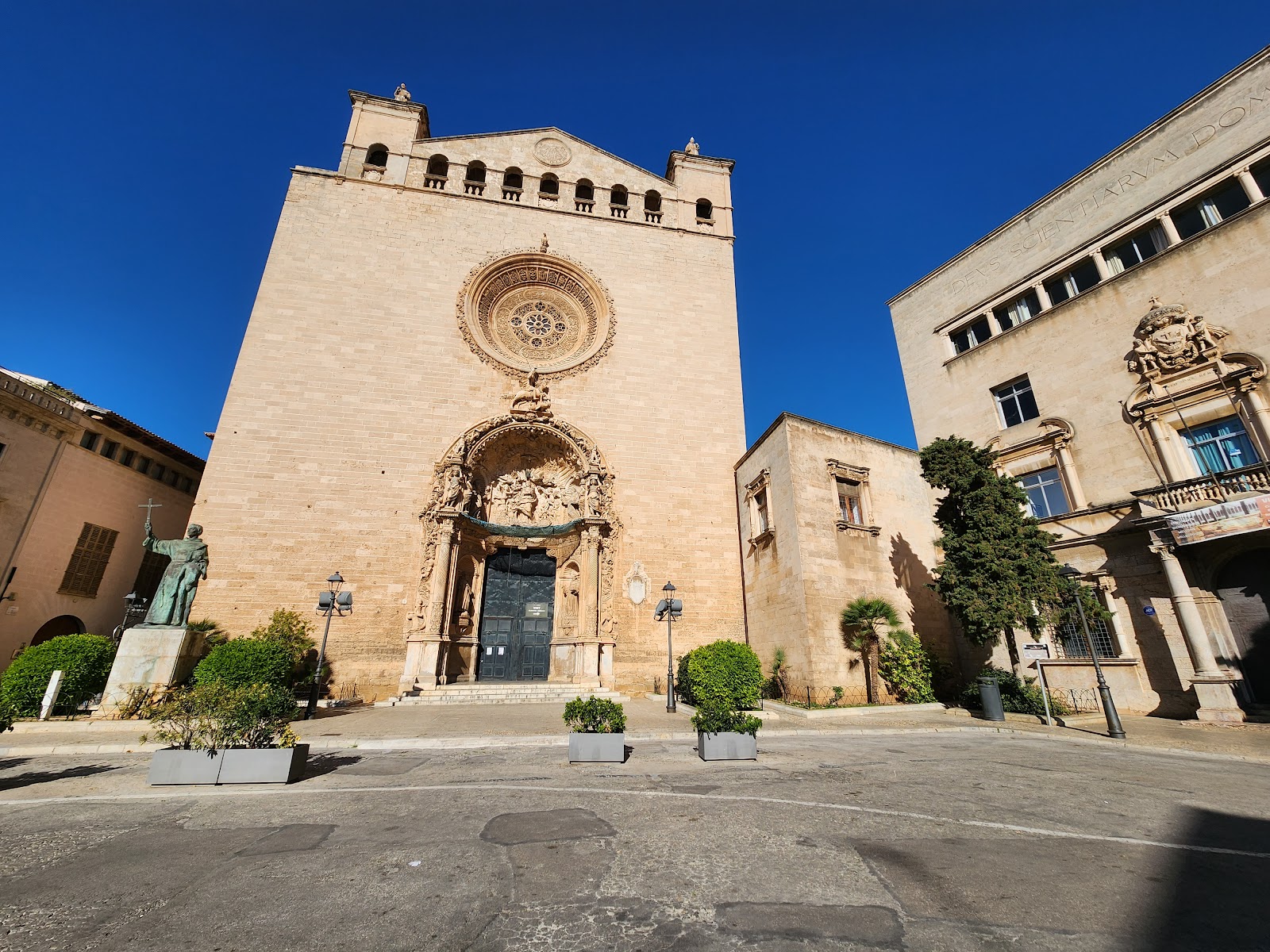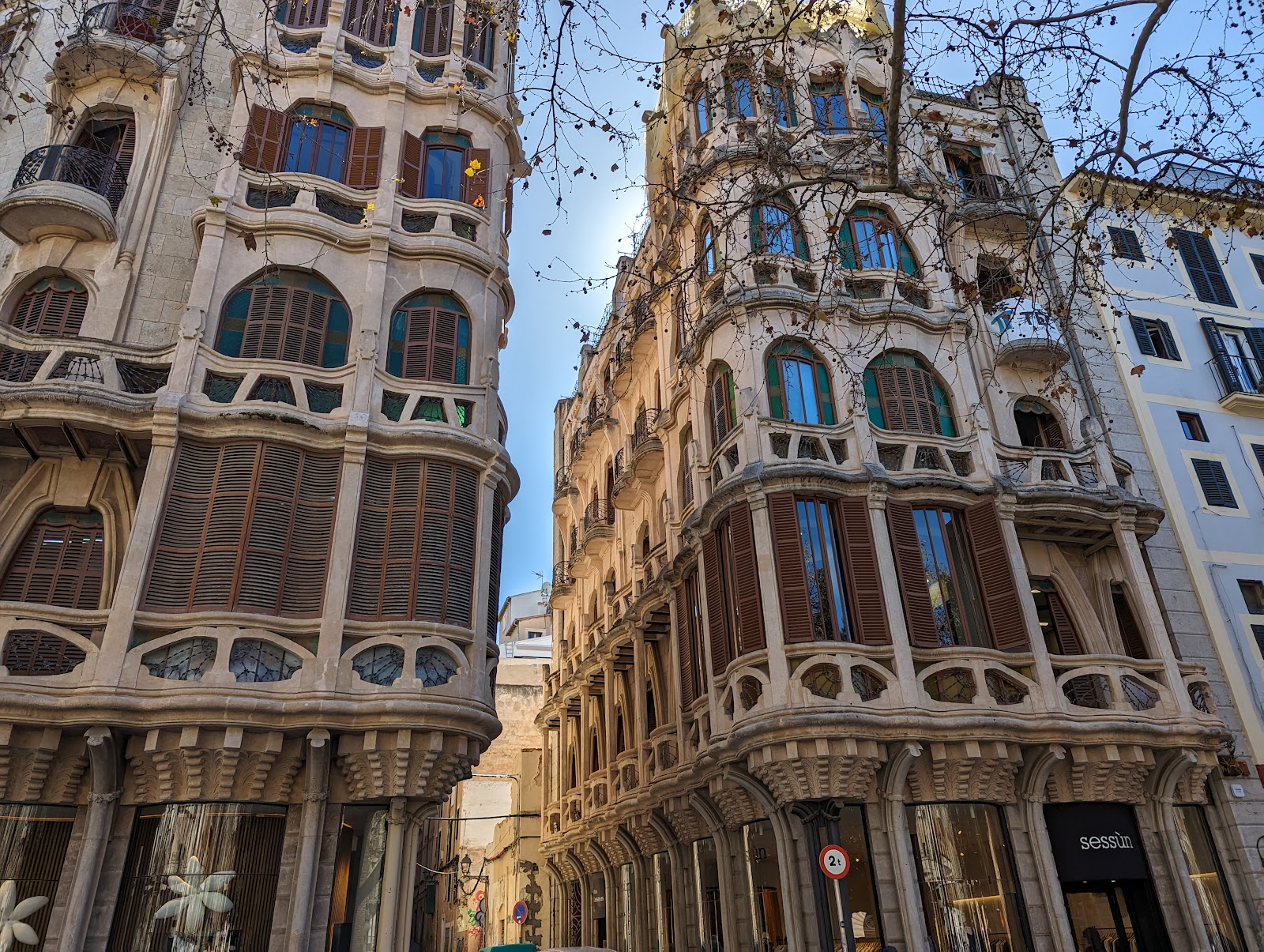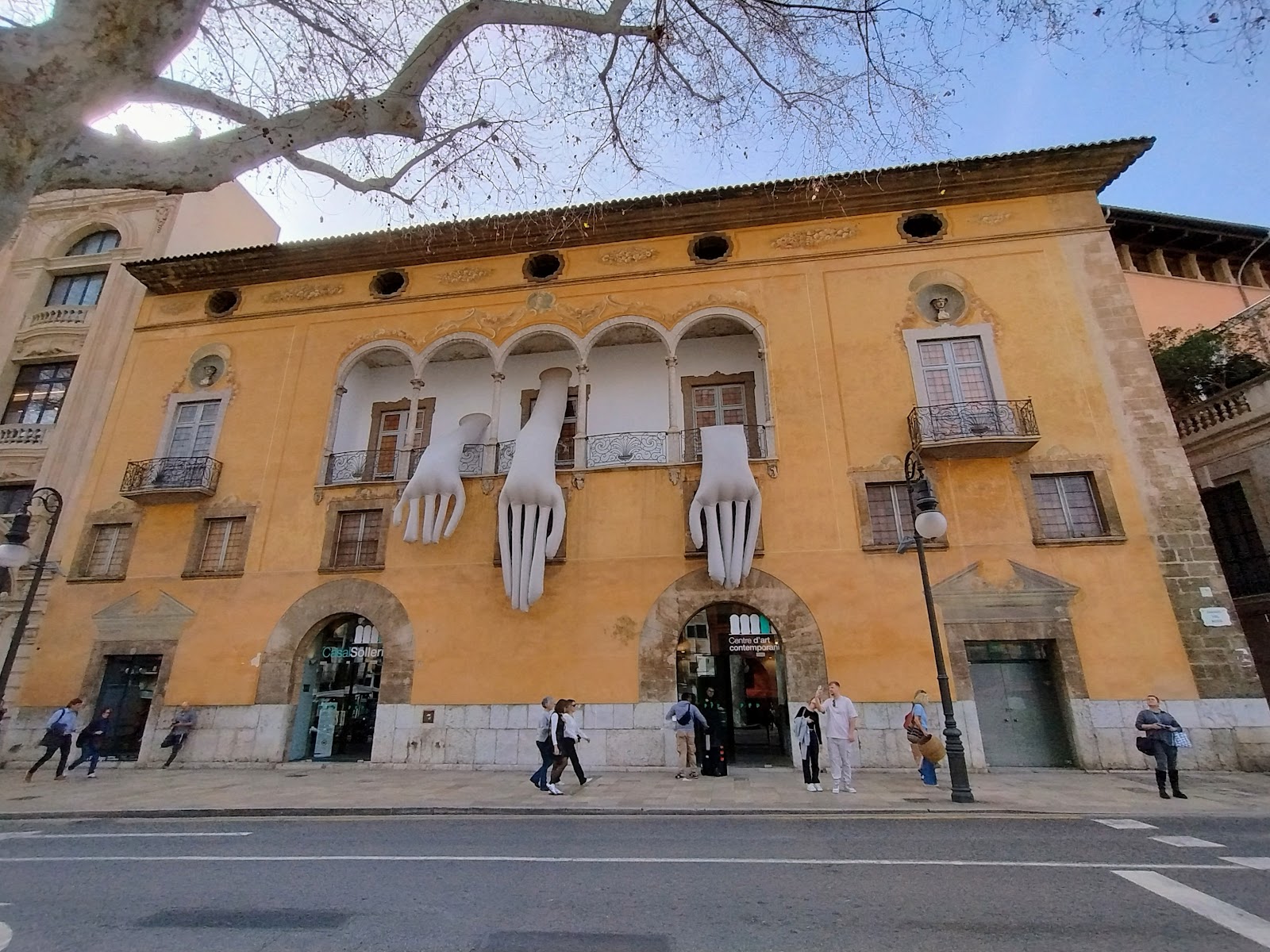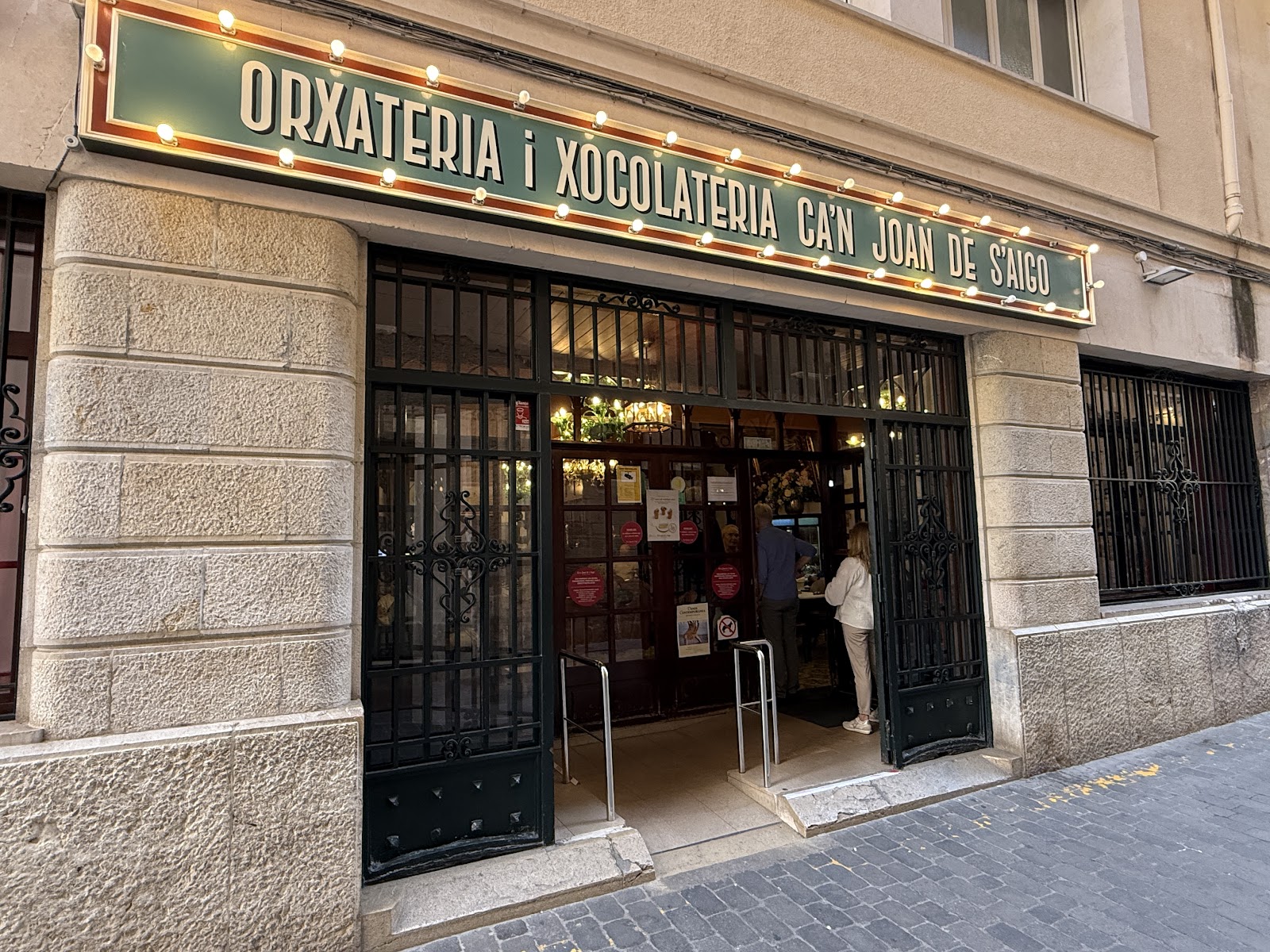
Down this lane there's a café called Ca'n Joan de s'Aigo, which translates as the house of John of the Water. It has been open since about seventeen hundred, and the remarkable thing about it is how little anybody has done to it since.
Marble tables. Painted tiles. Dark wood, chandeliers, a tiled floor worn into dips by three hundred years of feet. Almost nothing in that room is a decision anybody made recently.
The man it's named for was Joan Thomàs, and he came down from Valldemossa, up in the mountains. His business was snow.
Up in the Serra de Tramuntana there are stone pits called cases de neu — snow houses. Deep round wells, dug into north-facing hollows where the sun doesn't reach, lined with dry stone.
Through the winter, crews went up and packed them. Snow shovelled in, trodden down hard in layers — because loose snow melts and compacted snow behaves like ice — then insulated with straw or ash and sealed. Done properly, a pit packed in February still holds ice in August.
Then through the summer, men carried it down. At night, when it was coolest, on mules, wrapped against the heat, racing the sun to Palma. Every hour on that road was product melting off the load.
That's what the water in his name means. He was the man who brought the cold down.
It was paid by weight delivered rather than weight loaded, which is a brutal way to structure a job — every hour a carr