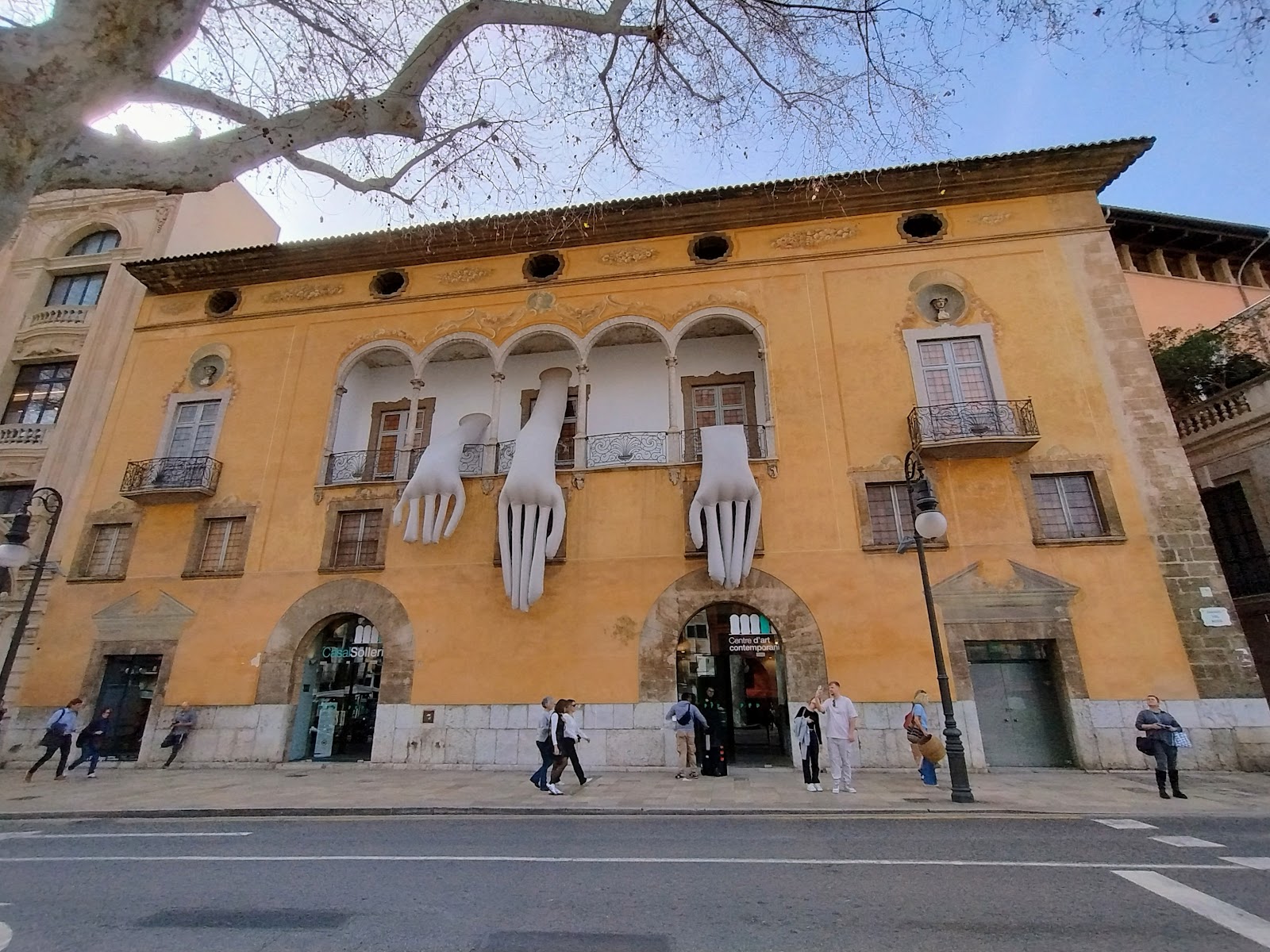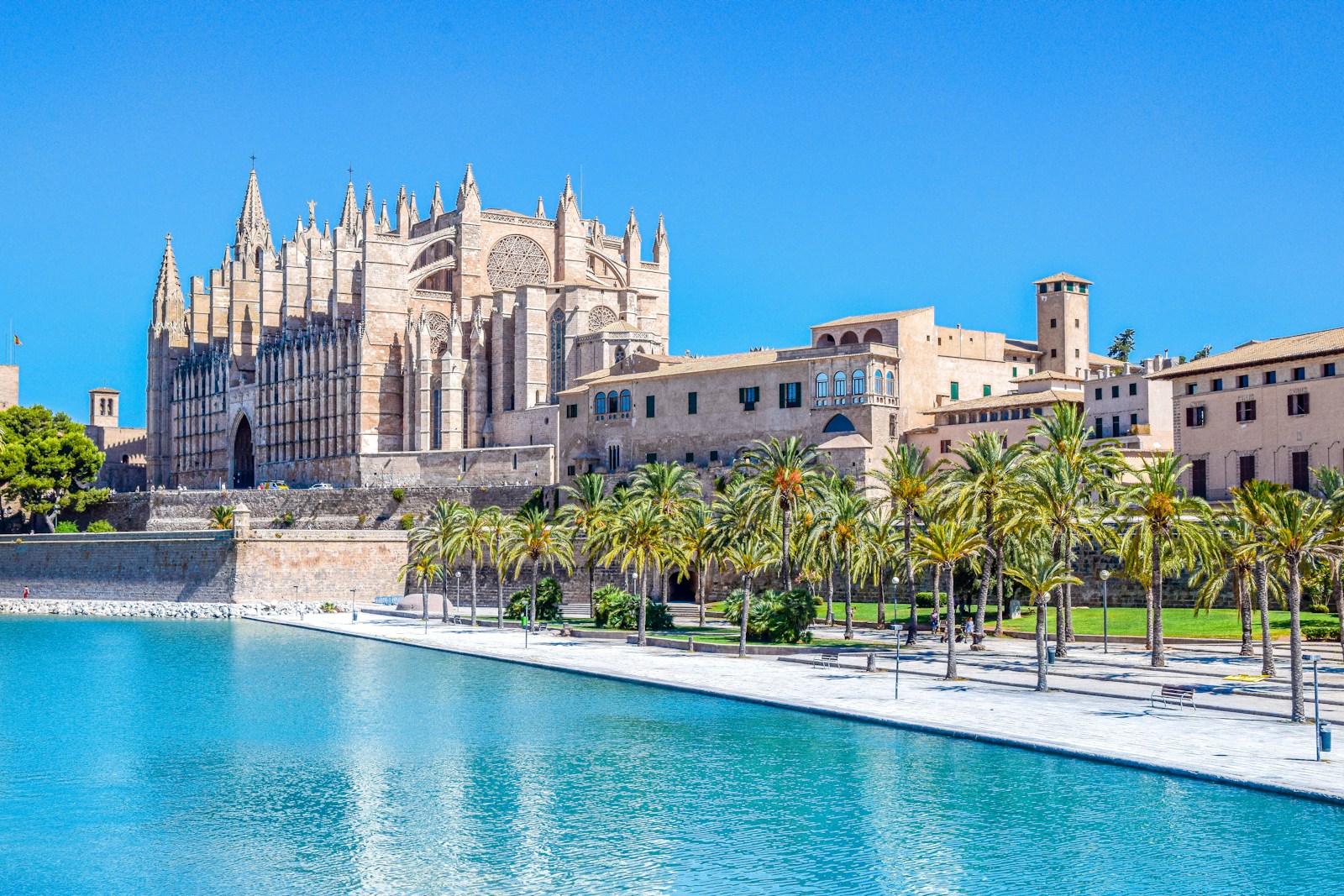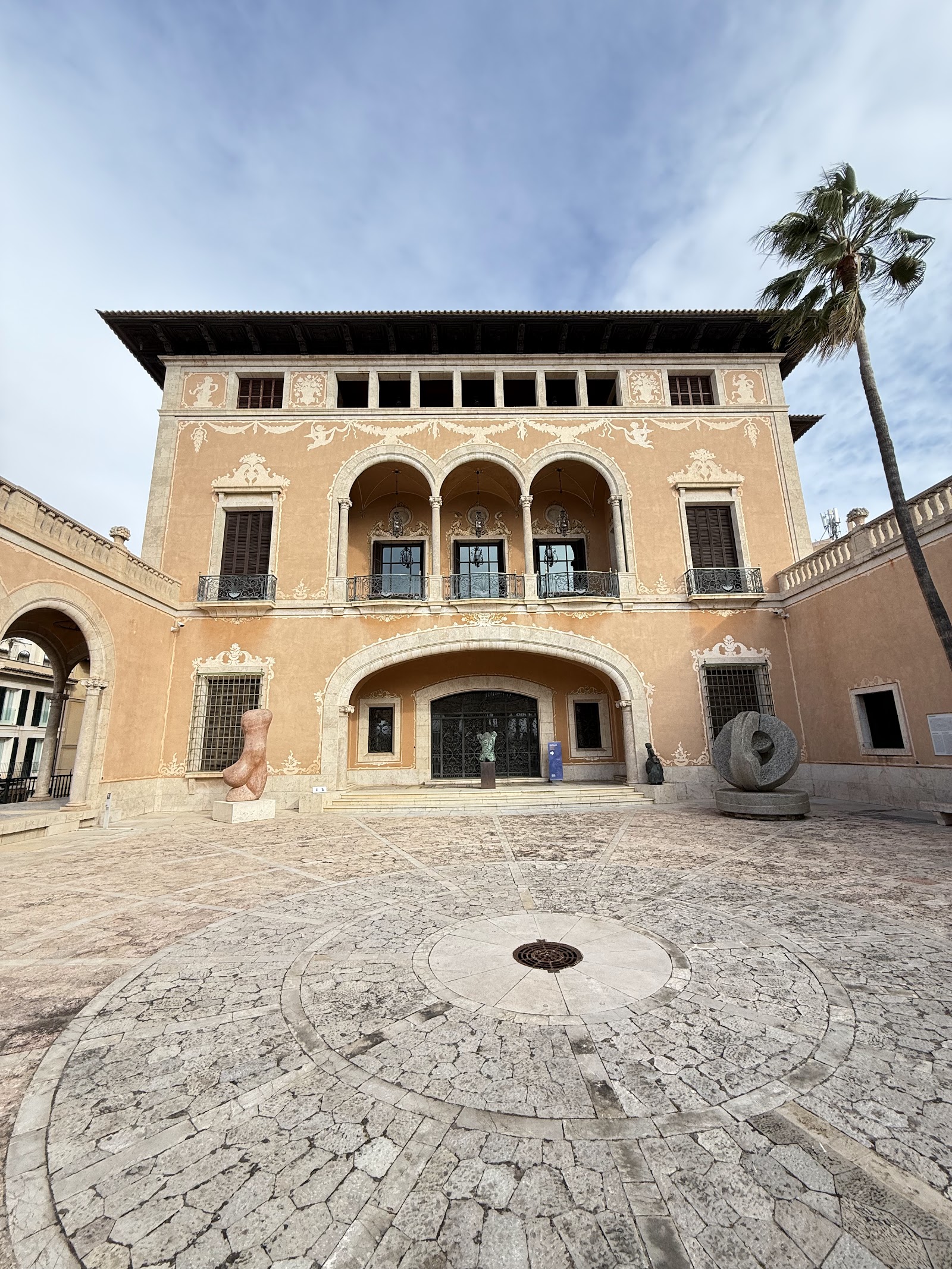
This is the Palau March, and the first thing worth noticing is the address. It's built directly against the royal palace, a few steps from the cathedral, on the highest and most conspicuous ground in the city. There is nowhere in Palma that says look at me more loudly than this plot, and a private citizen took it.
The citizen was Joan March Ordinas, and he is the most consequential Mallorcan of the twentieth century by a distance nobody enjoys.
He started with tobacco. Specifically, moving it across the Mediterranean without troubling the customs authorities, which on an island with this much coastline was a growth industry. From smuggling he moved into banking, shipping, and eventually into owning most of the things worth owning. By the nineteen thirties he was the richest man in Spain and reckoned to be among the wealthiest on earth.
The method was consistent throughout: get close to whoever holds the licence. March's real product was never tobacco or shipping, it was influence
— knowing which official to pay, which ministry to place a friend inside, which newspaper to buy when the questions started. He was elected to parliament, was jailed, and escaped, reportedly by the direct route of buying the loyalty of the man guarding him.
He was also, and this is documented rather than alleged, one of the principal financiers of the military coup that started the Spanish Civil