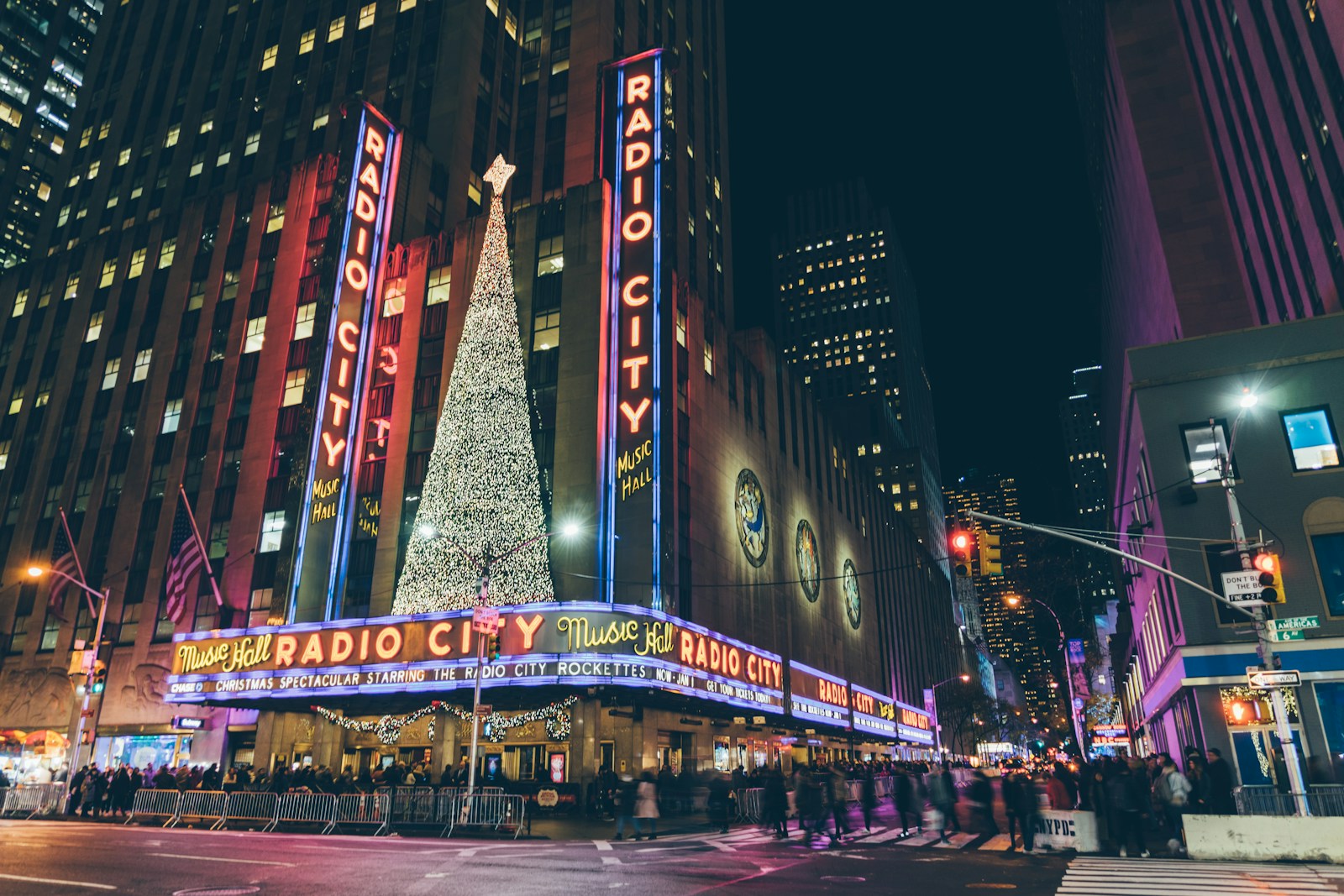
Radio City Music Hall seats nearly six thousand people. On its opening night, most of them wanted to leave.
The man responsible was Samuel Rothafel, who everyone called Roxy, and he had one enormous idea: the building should be as much of the show as whatever happened on the stage. Ushers in uniform. An orchestra that rose out of the floor. A ceiling designed to make you feel small in a pleasant way. He'd been doing it in movie palaces for years, and this was going to be the biggest one ever built.
The premiere was the week after Christmas, nineteen thirty-two, and Roxy programmed it like a man who had never been told no. The show started at eight in the evening and finished around two in the morning. Act after act after act, on a stage so wide that individual performers disappeared into it — a solo singer on the Great Stage looked like a rumor. The audience got restless, then bored, then openly hostile. John D. Rockefeller Junior, who had paid for the entire building, gave up partwa
y through and went and stood in the lobby of the thing he'd financed.
The reviews were brutal. Within weeks they scrapped the format entirely and switched to a film plus a tight stage show, which turned out to be the correct answer and stayed the correct answer for the better part of fifty years.
Roxy did not recover. He was out as managing director inside a year and went to Florida to rest. He