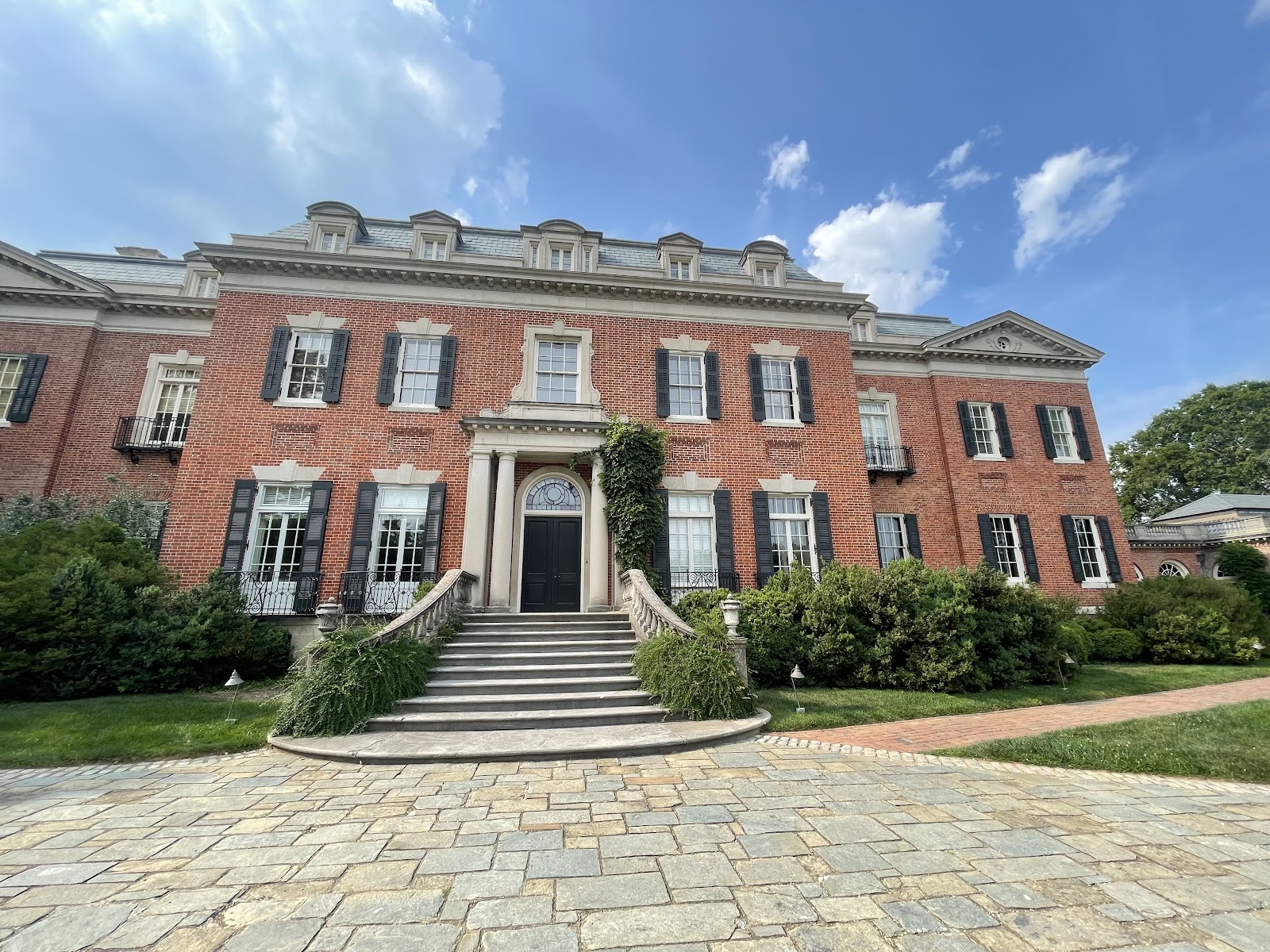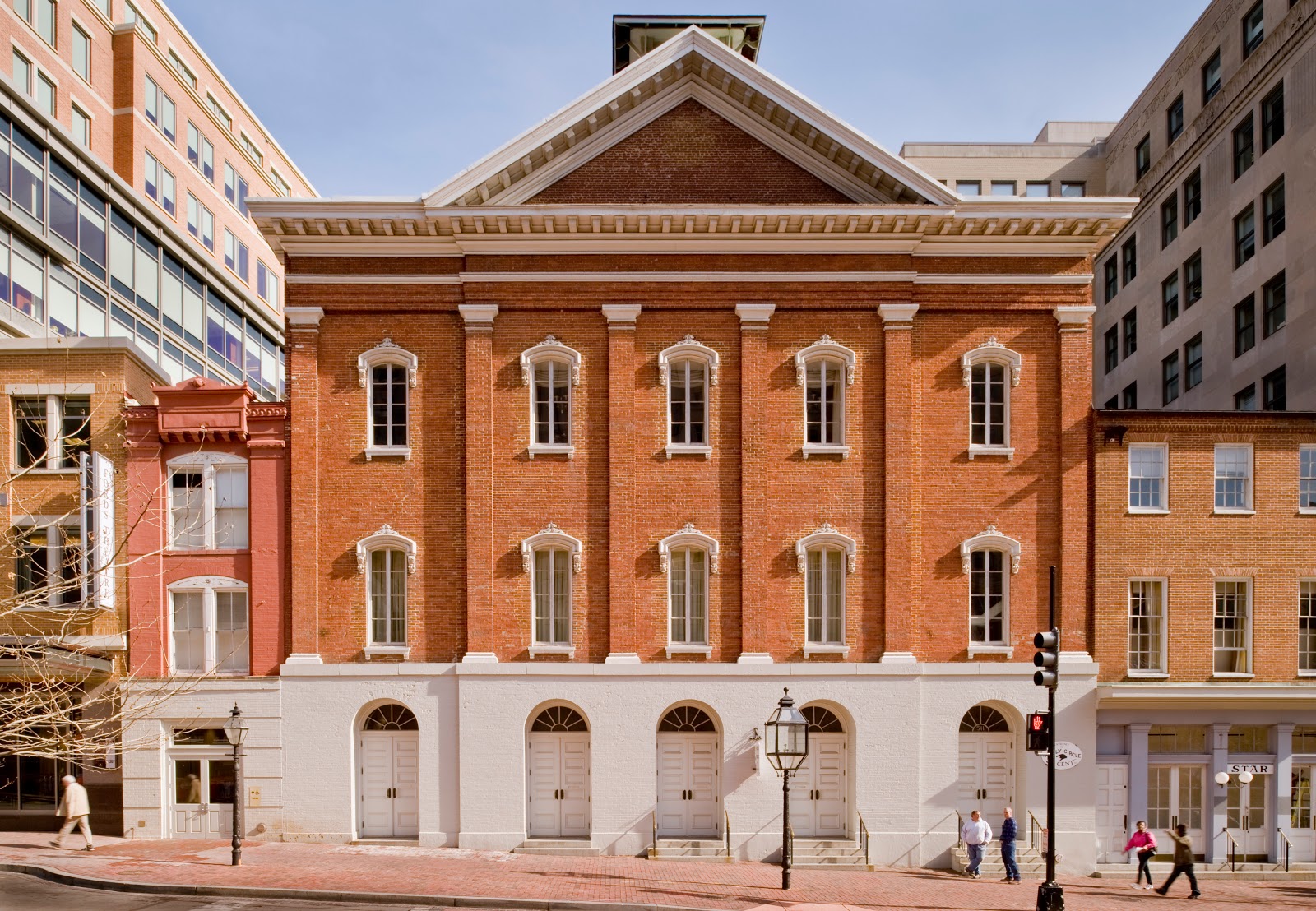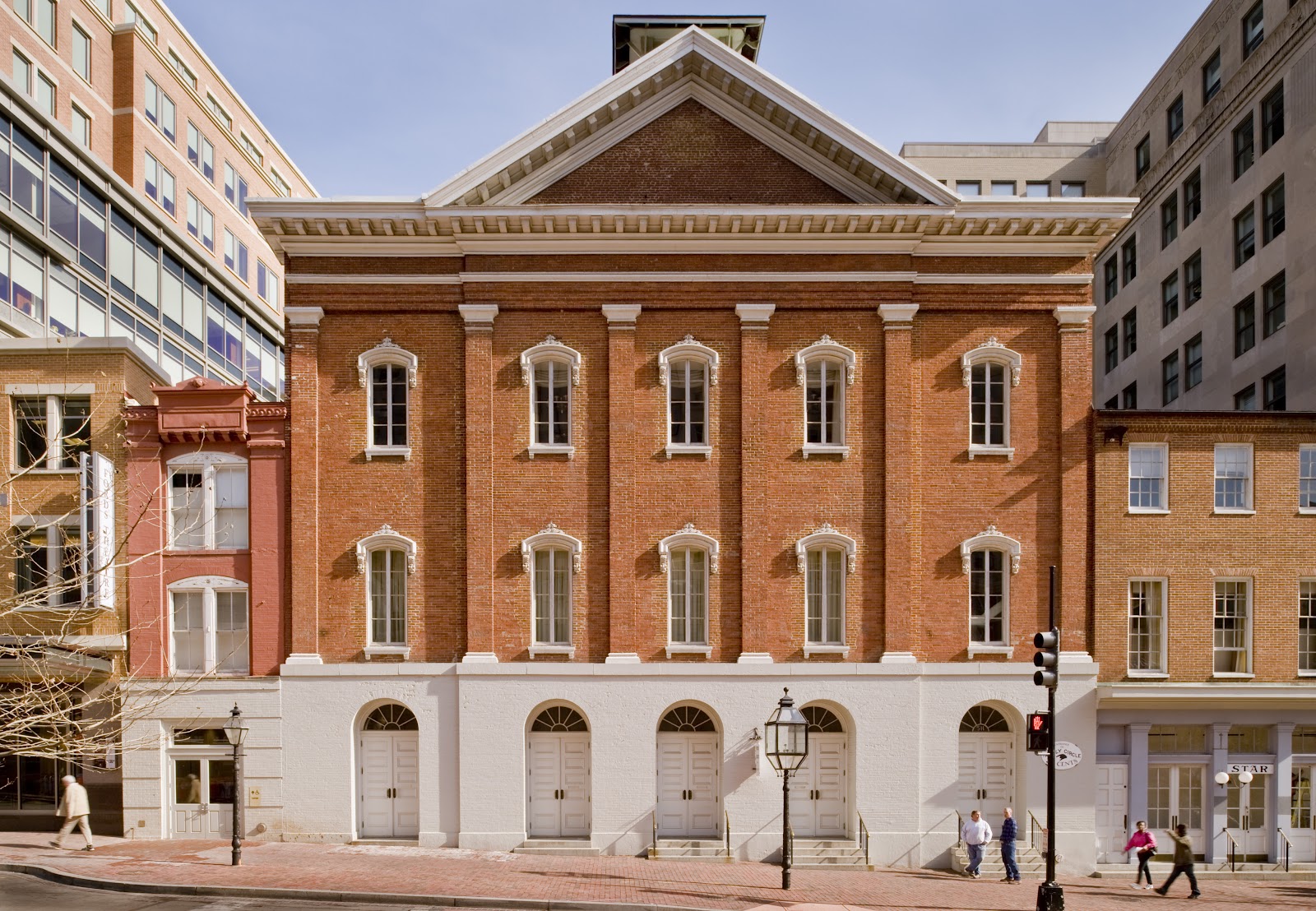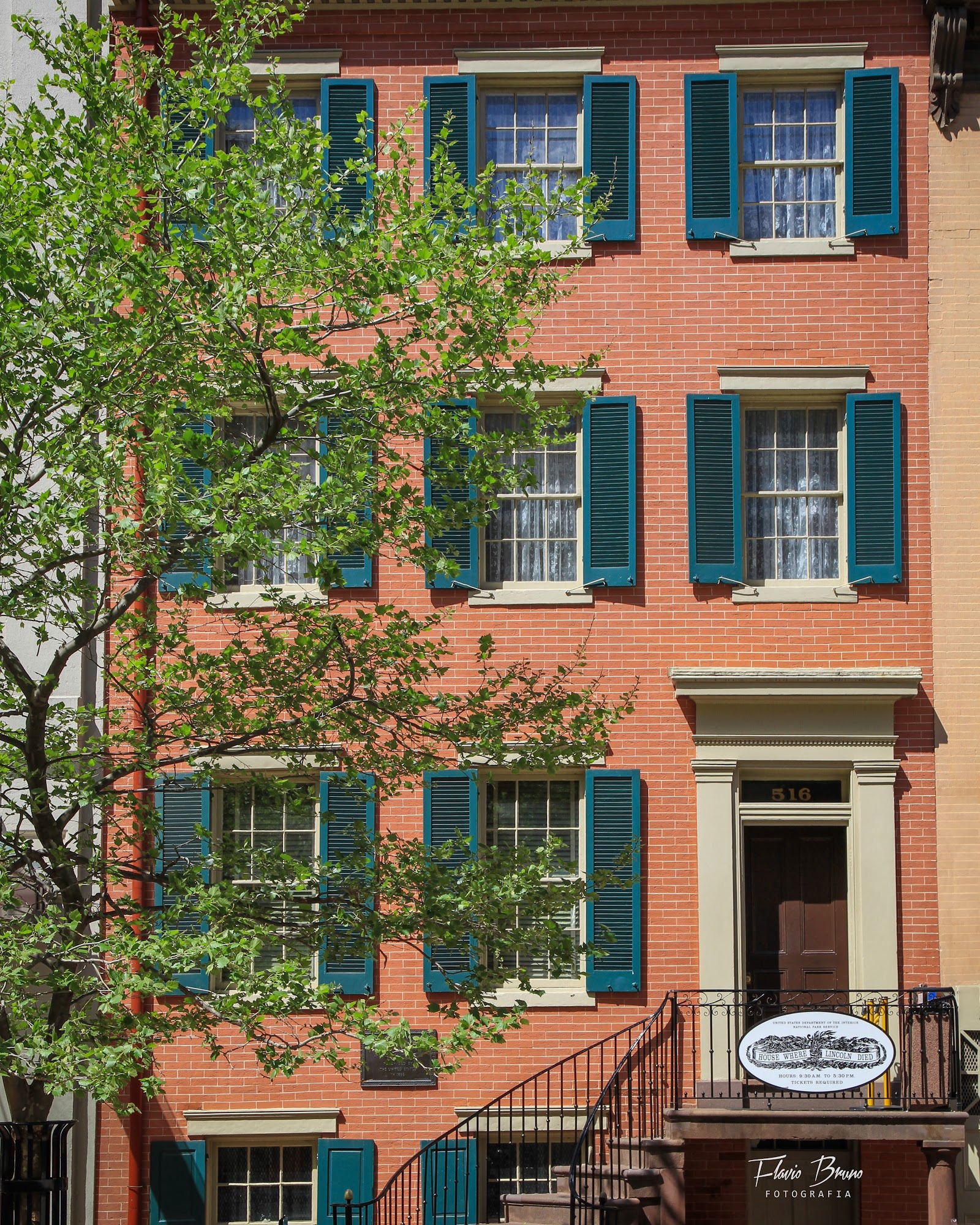
Five-sixteen Tenth Street. The Petersen House. Directly across from Ford's Theatre.
After the shot, soldiers carried Lincoln down the stairs and into the street. They didn't know where to take him. A twenty-five-year-old War Department clerk named Henry Safford appeared on the steps of this boarding house with a candle and shouted — bring him in here.
They laid the president in a back bedroom on the first floor. The room was seventeen feet by nine and a half feet — tiny. The bed belonged to a Union soldier named William Clark, who was out for the evening. He came home the next day to learn the president had died in his bed — and, by the boardinghouse's account, went right on renting that same room for months afterward, charging the curious a small fee to sit where Lincoln died.
Lincoln was six feet four inches tall. The bed was too short. They laid him diagonally across the mattress, stripped his clothes, and covered him with a mustard-colored army blanket.
The first doctor to reac
h him was Charles Leale — a twenty-three-year-old Army surgeon. He'd found the bullet wound behind Lincoln's left ear in the theatre box, removed a blood clot to relieve the pressure, and directed the soldiers across the street. Now, in this small room, he examined the president and knew immediately there was nothing to do.
Leale held Lincoln's hand. Not for medical reasons. He later wrote that h