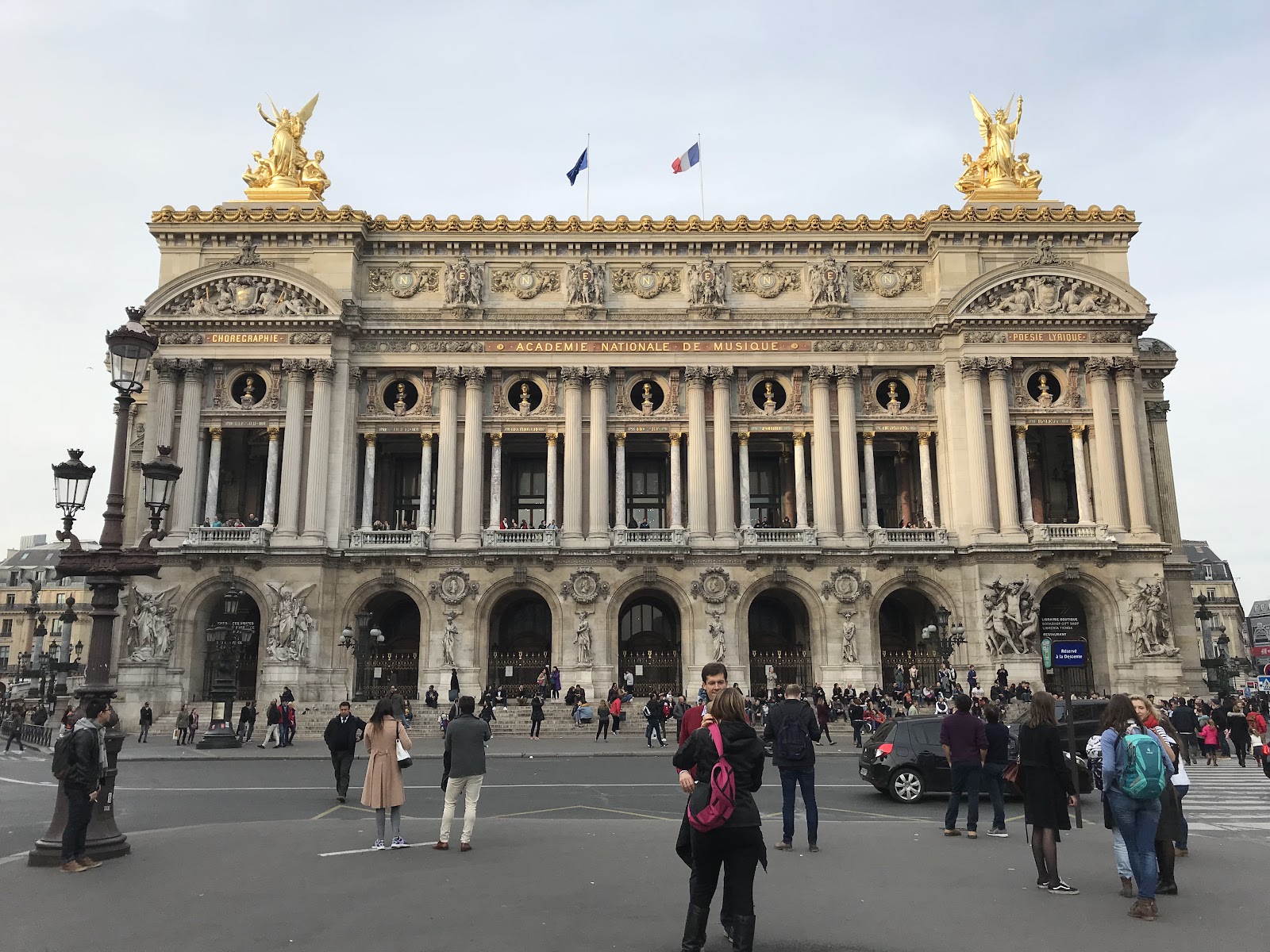
The Grand Boulevards: The Man Who Demolished Paris
One man demolished nineteen thousand seven hundred and thirty buildings to rebuild Paris — including the house he was born in. An opera house with a real lake in the basement, where firefighters practice swimming in total darkness. A pilot who landed a biplane on the roof of a department store, collected twenty-five thousand francs from the store, and got fined sixteen francs by the police. A painter billed three hundred twenty-three thousand francs for a toppled monument — down to the last sixty-eight centimes — who escaped it by dying one day before the first payment was due. And a war hero who flew a plane straight through the Arc de Triomphe with about three meters to spare per wing. Most of what the Bad Historian tells you on this walk is true. Some of it he made up — you find out which at the end.
What You'll Experience
Plan your walk
Know the route before you buy
- Starts at
- Introduction
- Ends at
- The Reveal
- Walking plan
- 40 min · ~2.4 miles
- Schedule
- Start, pause, and resume anytime
Included in the app
- Professional narration
- GPS-triggered stops
- Downloadable tour audio
- Ask the Historian Q&A
- Optional end-of-tour reveal
- All 9 story stops
A taste of what you'll hear
9 stops, each with its own story. Here's a preview.
"Every building around you — the cream stone, the iron balconies, the matching rooflines — exists because one man tore down the city that used to be here. Nineteen thousand seven hundred and thirty buildings, demolished."
"Place Vendôme. An octagon of gray-gold palaces, the Ritz on one side, jewelers everywhere else. In the middle, a giant bronze column with a little Napoleon on top, dressed as a Roman emperor."
"You made it — from a wedding cake of an opera house to the biggest roundabout in Europe, straight through the middle of one lawyer's demolition project. Time to show you my renovations. I told you I built a few details of my own into the tour."
Tour itinerary
Every stop on this walk
Explore the route before you go. Each stop has its own story preview, location details, and place in the larger tour.
- 11IntroductionEvery building around you — the cream stone, the iron balconies, the matching rooflines — exists because one man tore down the city that...48.8720, 2.3316 Read this stop
- 22Palais GarnierThat enormous frosted cake of a building is the Palais Garnier — the Paris Opera. Gold statues on the roof, marble columns, busts of...48.8720, 2.3316 Read this stop
- 33Boulevard HaussmannThe street sign on the corner says Boulevard Haussmann. Say it OHS-mahn — and remember it, because the man it's named after is the reason...48.8731, 2.3308 Read this stop
- 44Galeries LafayetteGaleries Lafayette. From out here it's a long stone department store, handsome but restrained.48.8737, 2.3321 Read this stop
- 55Place VendômePlace Vendôme. An octagon of gray-gold palaces, the Ritz on one side, jewelers everywhere else.48.8675, 2.3294 Read this stop
- 66Rue de Rivoli / Tuileries GardenYou've reached the Rue de Rivoli — the long straight street with the endless stone arcades. Arch after arch after identical arch, running...48.8651, 2.3281 Read this stop
- 77Champs-ÉlyséesThis is the Champs-Élysées — say it shahnz-eh-lee-ZAY — nearly two kilometers of avenue running straight uphill to the Arc de Triomphe,...48.8690, 2.3095 Read this stop
- 88Arc de TriompheThe Arc de Triomphe. Fifty meters of stone triumph, standing in the middle of the busiest roundabout in Europe.48.8738, 2.2950 Read this stop
- 99The RevealYou made it — from a wedding cake of an opera house to the biggest roundabout in Europe, straight through the middle of one lawyer's...48.8738, 2.2950 Read this stop
Stories first
Every stop is built around people, conflict, ambition, and consequences—not a plaque read aloud.
Most of it is true. The extra mischief is just a wink at the end, but the story is what carries the walk.
Have questions? Just ask.
Curious about something you heard? Want to know more about a place? Ask us anything — we have a lot to say. It's more fun when it's a conversation.
Ready?
Download the app, head to the starting point, and press play. The stories start themselves.
Get the AppBefore you go
Quick answers
How much is this tour?
$9.99 as a one-time purchase in the iOS app. The Paris city pack is $14.99 and includes every currently available tour in the city.
Can I use it with spotty cell service?
Download the tour audio on Wi-Fi before leaving. Cached narration plays without streaming; map tiles and other online features may still need a connection.
Do I have to start at a specific time?
No. Start when it suits you, pause for a detour or meal, and resume later. Check the opening hours of any venue you personally plan to enter.
Are admission tickets included?
The purchase covers the Bad Historian audio experience. Transportation, food, and admission to third-party attractions are not included.
Other Paris Tours
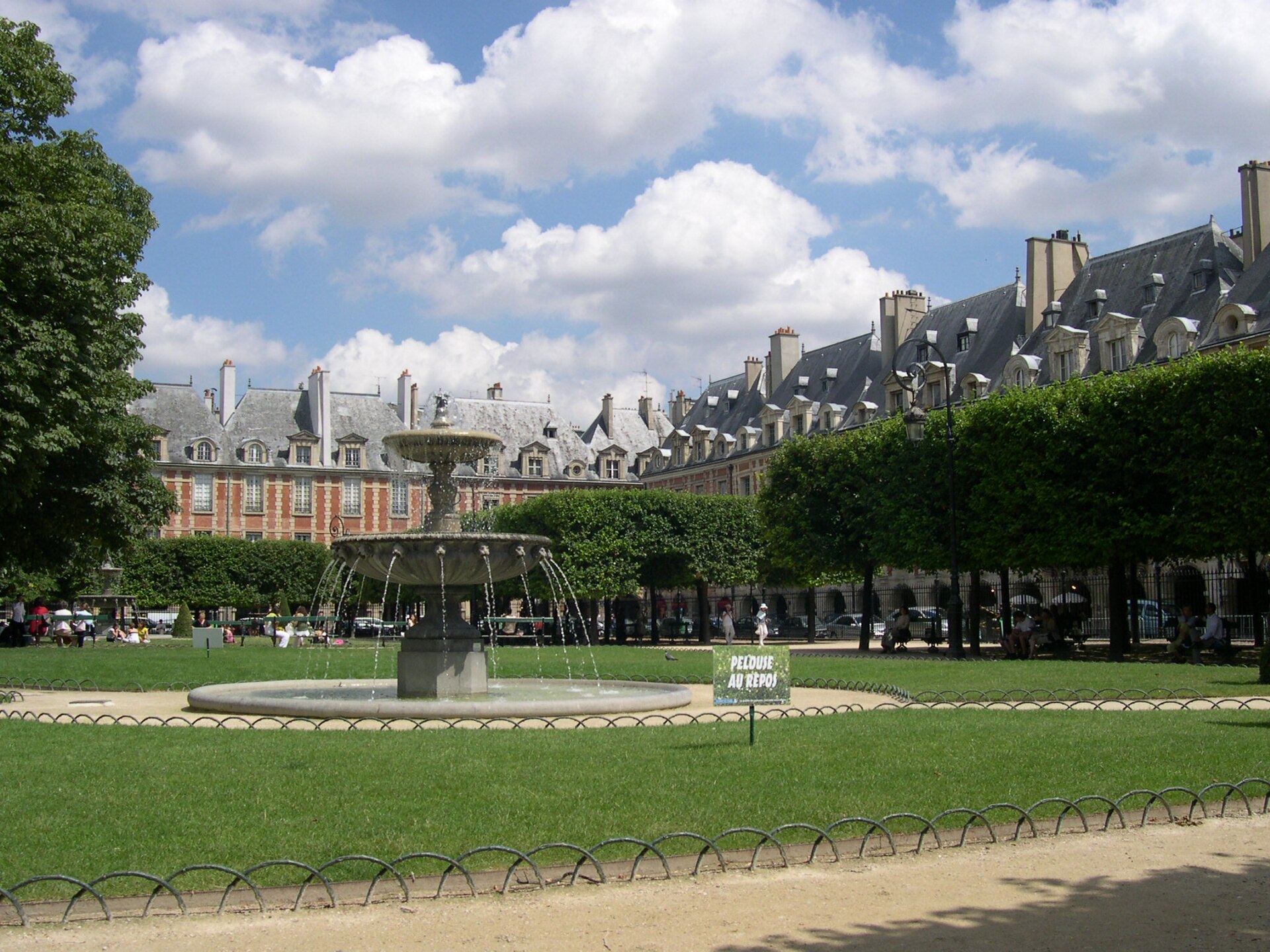
Le Marais
Le Marais: Mansions, Masterpieces & the Best Falafel in Europe
A teenage forger who saved fourteen thousand lives because he knew how to remove an ink stain. A family who paid the biggest tax bill in art history in Picassos — France lets you do that — and the state hung the payment in a mansion Parisians nicknamed Salted after a skimmed salt tax. Marcel Proust's cork-lined bedroom, where he wrote a million words lying down. The prettiest neighborhood in Paris is named after a swamp, its poshest square has been wearing fake painted brick for four hundred years, and the loudest fight on its oldest street is over falafel. Most of what the Bad Historian tells you on this walk is true. Some of it he made up — you find out which at the end.
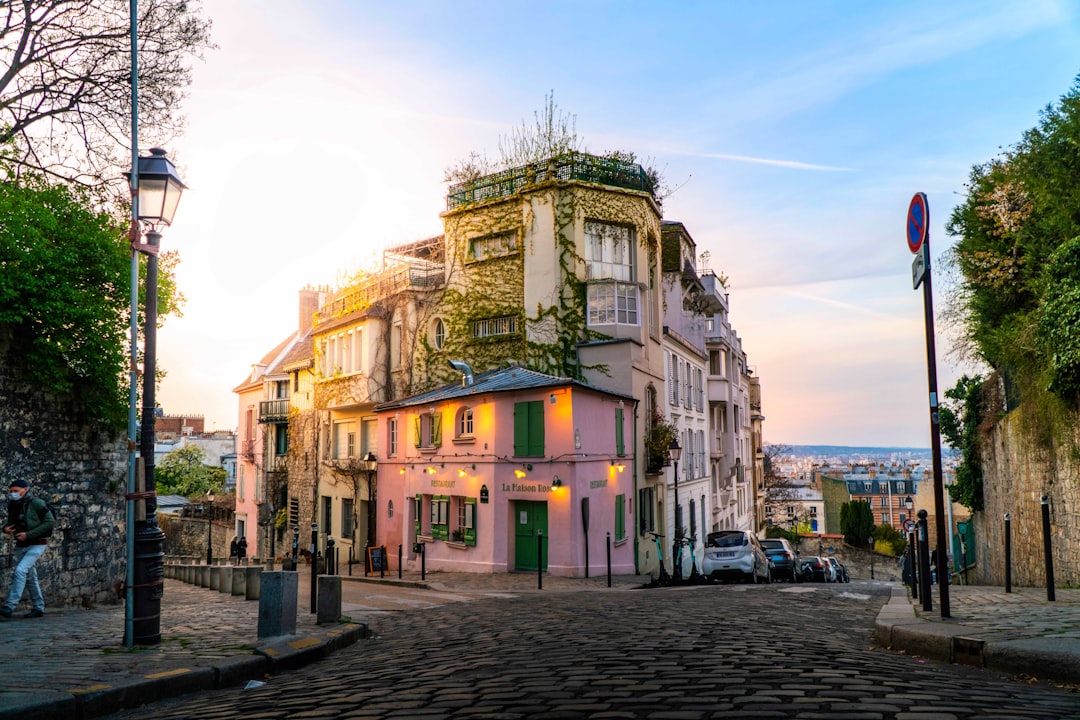
Montmartre
Montmartre: Geniuses, Gluttons & Goats
A four-foot-eight aristocrat who smuggled absinthe into the most famous nightclub in Europe inside his walking cane. A trapeze acrobat who taught herself to paint by watching Renoir and Toulouse-Lautrec work, then became the first woman admitted to the French Salon — she kept a goat that ate her bad drawings. A donkey whose tail painted a masterpiece accepted into an official Paris art exhibition. Montmartre was its own tax-free town until eighteen sixty, and that's the real reason every broke genius in France ended up on this hill. Most of what the Bad Historian tells you on this walk is true. Some of it he made up — you find out which at the end.
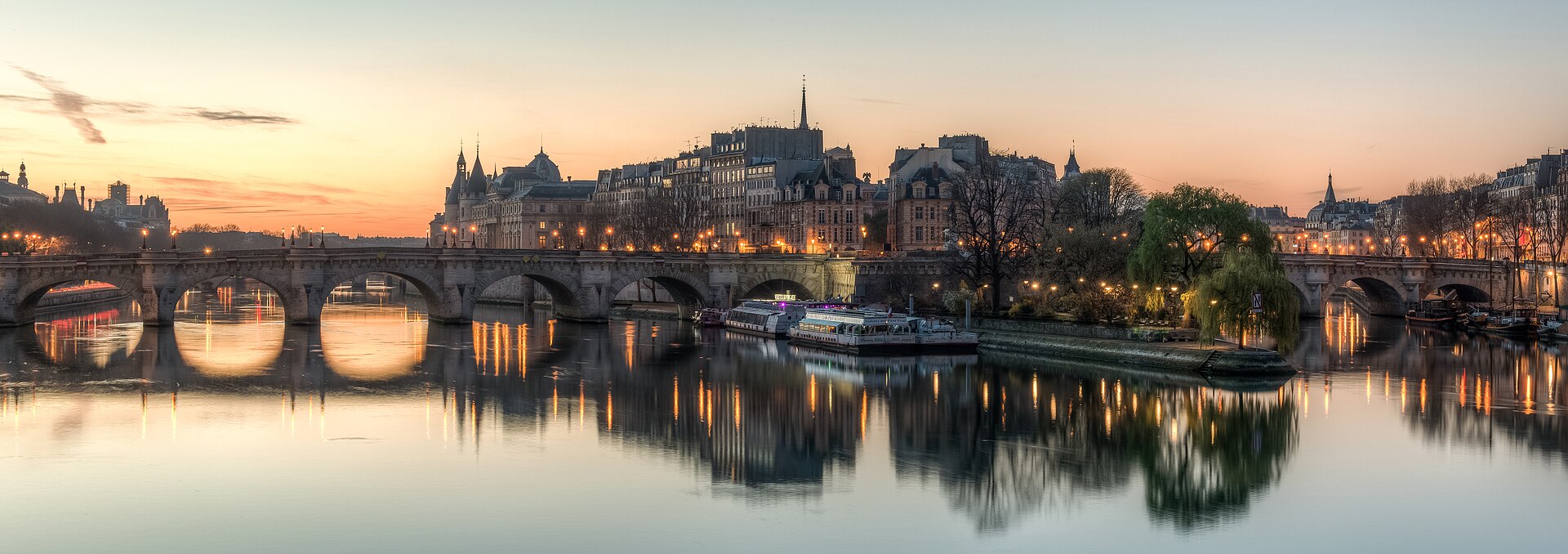
Île de la Cité
The Islands & the River
In nineteen eighty-four, sewer workers found a live crocodile under the oldest bridge in Paris — she got a name, an enclosure decorated to look like the sewers, and a death certificate. A queen waiting for the guillotine got an escape plan smuggled into her cell inside a flower, and answered it by pricking holes in paper with a pin. And an army of carpenters just rebuilt a cathedral roof with hand axes — on purpose, because that's how the first crew did it eight hundred years ago. Two islands, one river, one ice cream shop so confident it closes for the summer. Most of what the Bad Historian tells you on this walk is true. Some of it he made up — you find out which at the end.
Latin Quarter
The Left Bank: Thinkers, Drinkers & Dreamers
A secret society that let themselves into the Panthéon after hours, built a hidden workshop under the dome with armchairs and a mini-bar, and spent a year fixing a national clock the government had ignored for forty years — the government sued them, and lost. Ernest Hemingway, too broke for lunch, catching pigeons in the Luxembourg Gardens and smuggling them home in his son's stroller. A bookshop owner with zero publishing experience who put out the most important novel of the twentieth century because every real publisher was afraid of it. And a bookstore where thirty thousand travelers have slept for free among the shelves — the rent is one page of your life story. Most of what the Bad Historian tells you on this walk is true. Some of it he made up — you find out which at the end.

Paris
The Postcard Tour
A con man sold the Eiffel Tower for scrap metal — twice. A handyman stole the Mona Lisa, took a bus home, and kept it under his bed for two years. France traded Egypt a three-thousand-three-hundred-year-old obelisk for a clock that arrived broken and has never been fixed. A hundred and eighty thousand bees survived the Notre-Dame fire by gorging on honey and hugging their queen. Eight of the most photographed places on Earth, and the stories the postcards leave out. Eighty percent of what the Bad Historian tells you is documented history. Twenty percent he invented — you find out which at the end.
The Grand Boulevards: The Man Who Demolished Paris
$9.99 · one-time