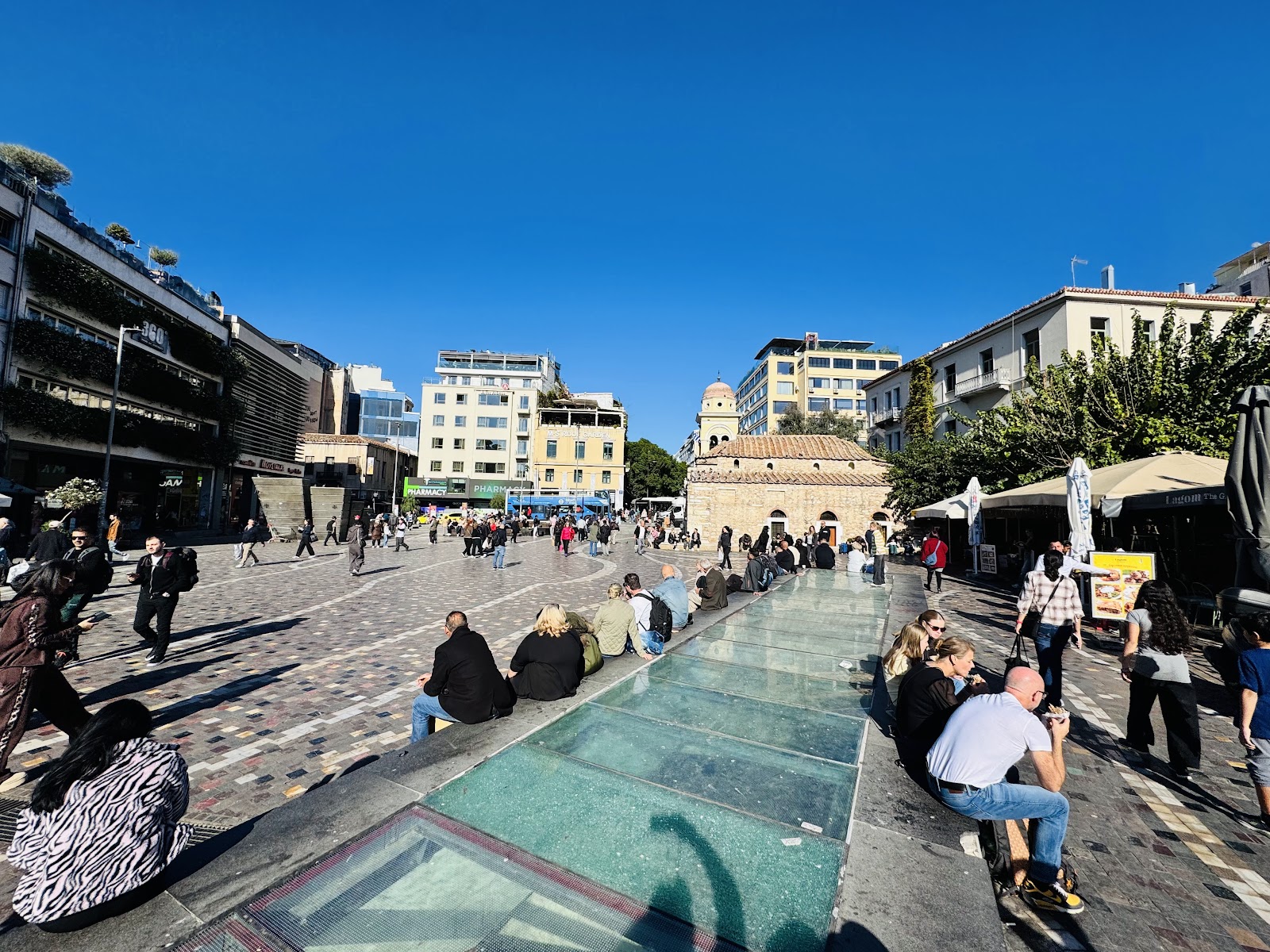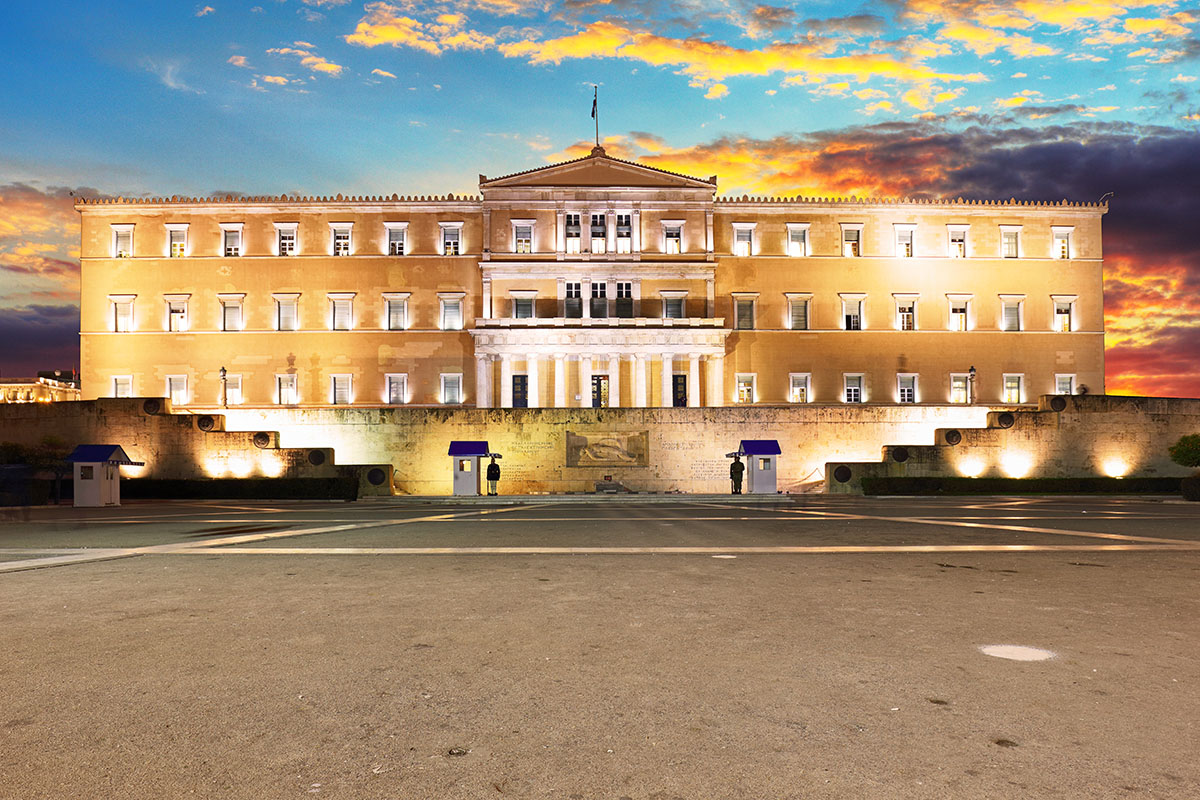
This is Syntagma Square — say it SEEN-tag-mah — and the big cream-coloured building at the top of it, with two soldiers standing motionless in front, is the Greek Parliament. It was built as a house for a teenager. He lasted about two months in it before the country turned up outside.
In eighteen thirty-two the European powers finished tidying up the wreckage of the Greek revolution and decided the new country needed a king. They picked Otto, the second son of the King of Bavaria. He was seventeen years old and spoke no Greek, and he arrived with a Bavarian council to run the place until he was old enough to do it himself. One of the first decisions taken in his name was to move the capital here.
There was also the small matter of his soul. Greece is an Orthodox country, and Otto was a Catholic, and he stayed one for the whole of his reign. So the King of Greece could never be crowned in a Greek church, and there was never a coronation at all. He ruled for thirty years without one.
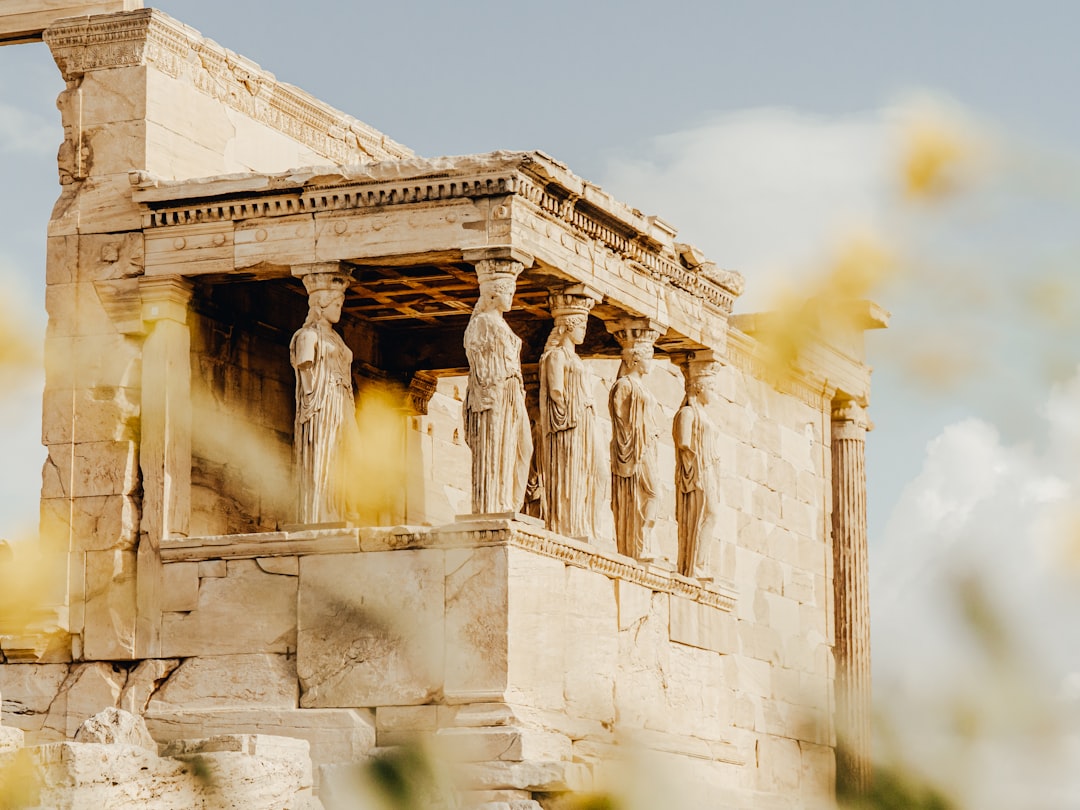
Athens at that point was a town of a few thousand people, most of it still rubble from the fighting. No port, no industry, no particular reason to be the capital of anything. What it had was the ruins. They picked the city for its scenery, then had to build the rest of it around them.
For ten years he governed the way a Bavarian court assumed a country ought to be governed, which is to say expens