Landmarks in Athens
18 landmarks to discover with Bad Historian in Athens.
Anafiotika
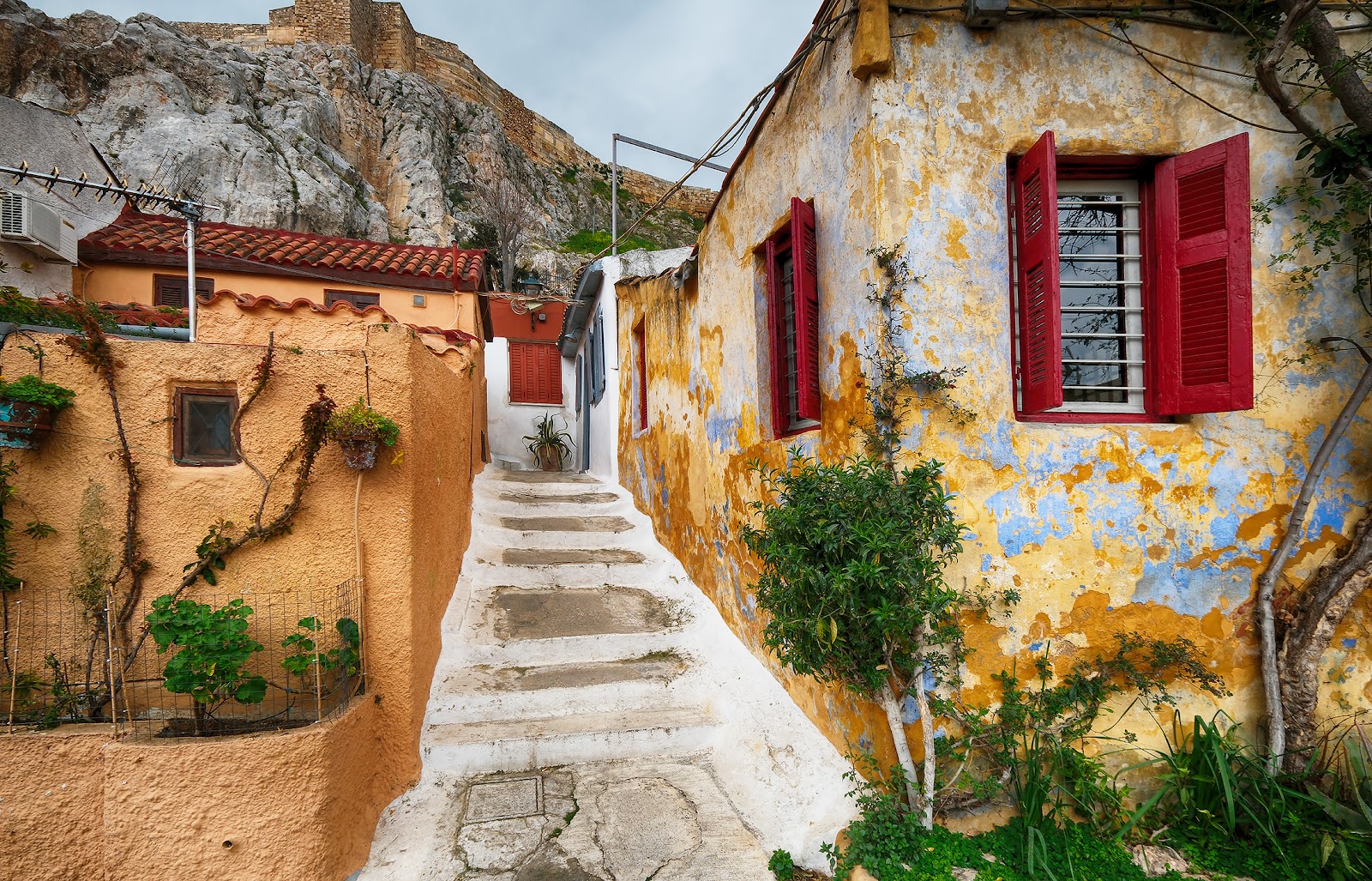
This is Anafiotika, and you have just walked out of Athens into an island. Whitewashed cubes with flat roofs, blue and red doors, pots of geraniums on the steps.
Hadrian's Library
That long grey wall with the row of tall columns standing in front of it is the outside of Hadrian's Library. Count them — seven left of the original fourteen, standing clear of the wall with nothing on top.
Mnesikleous Street, Plaka
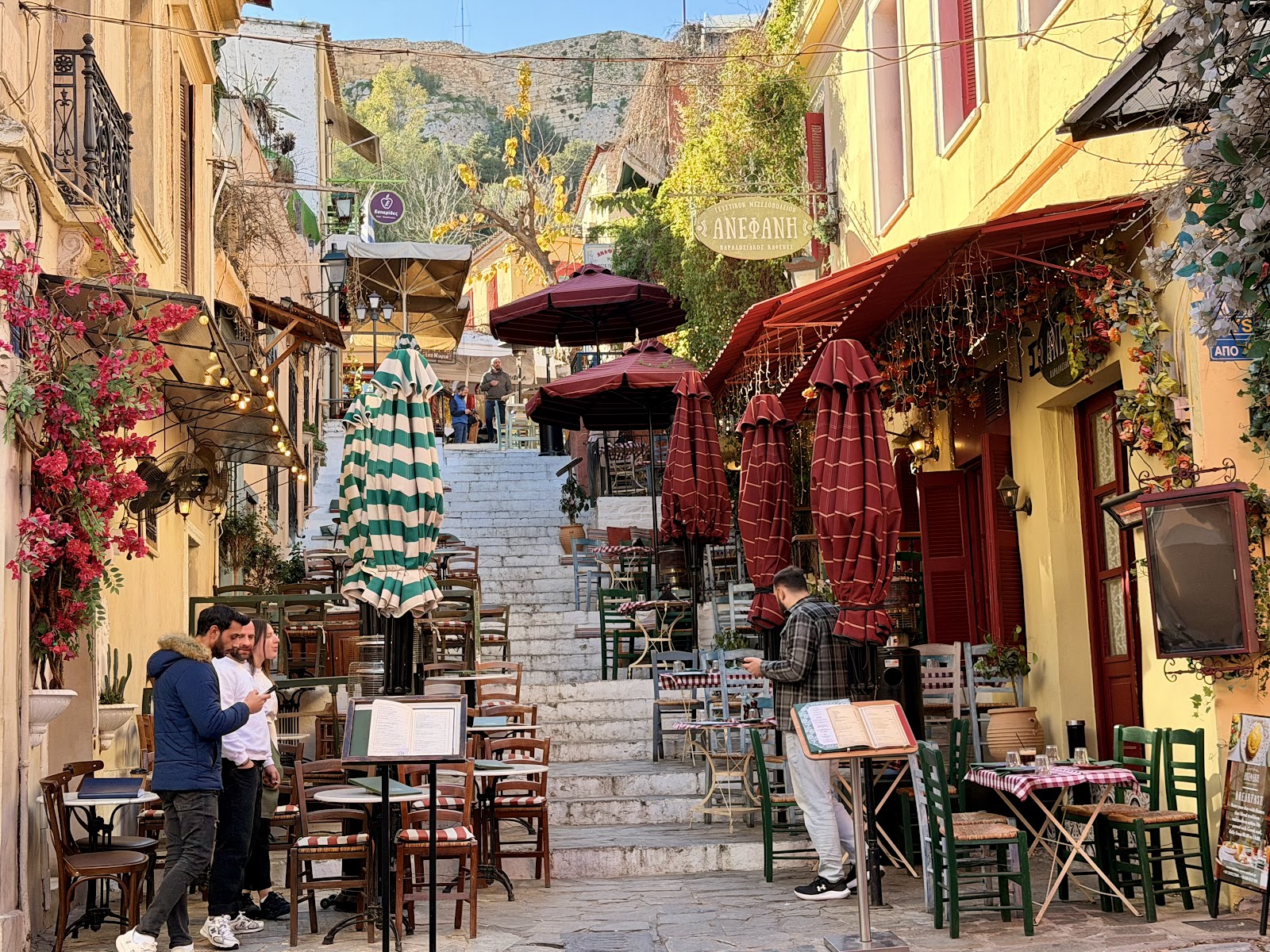
You're on Mnesikleous Street, the stepped lane in Plaka where the cafés put their tables ON the steps. People sit drinking on a staircase with bougainvillea over their heads, and it's one of the most photographed streets in Greece.
Monastiraki Square
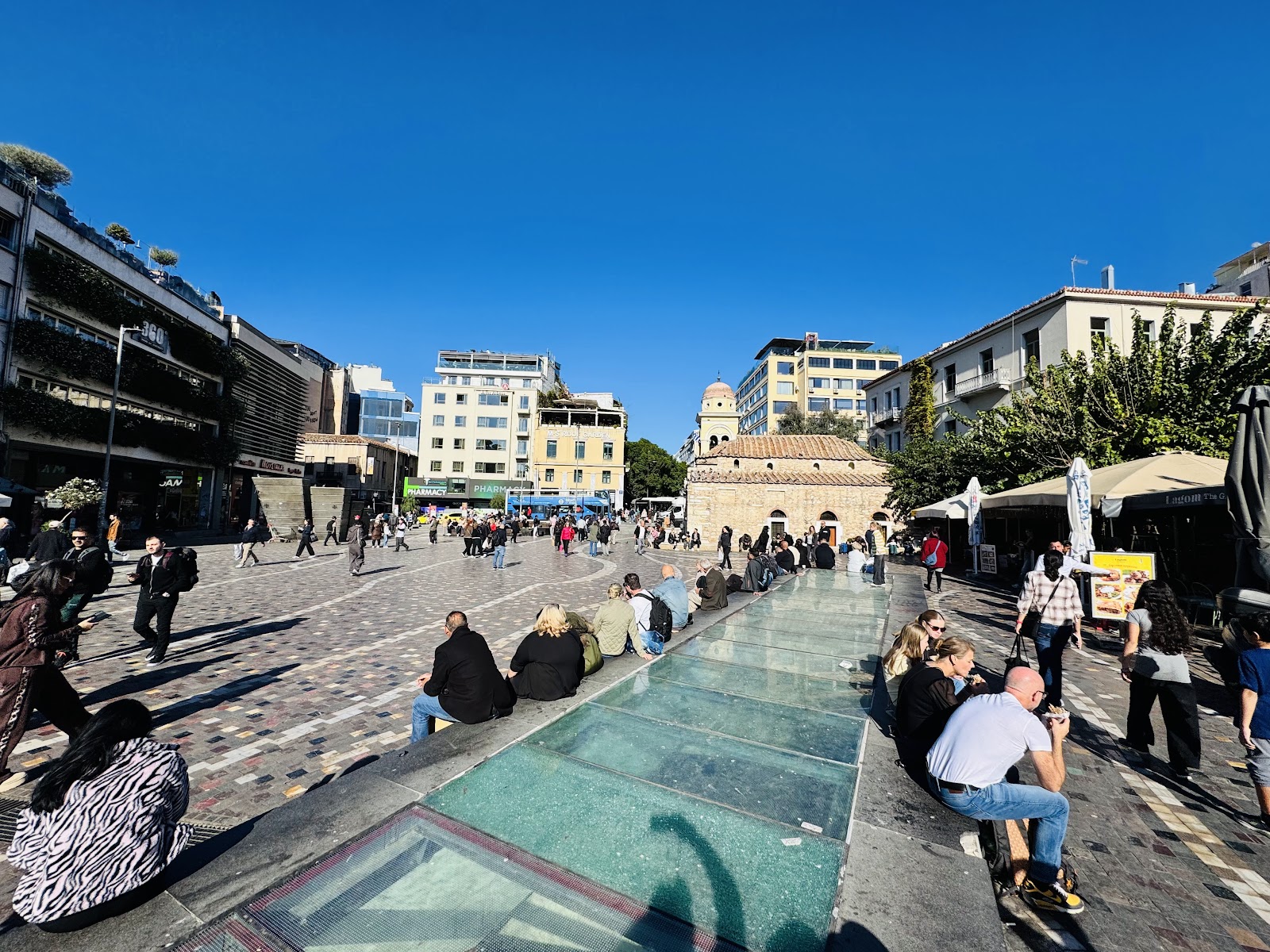
You can smell Monastiraki Square before you've finished crossing it. That's pork turning on a vertical spit, coming from a row of shops on the far side. They've spent about a century arguing with each other over who does it best.
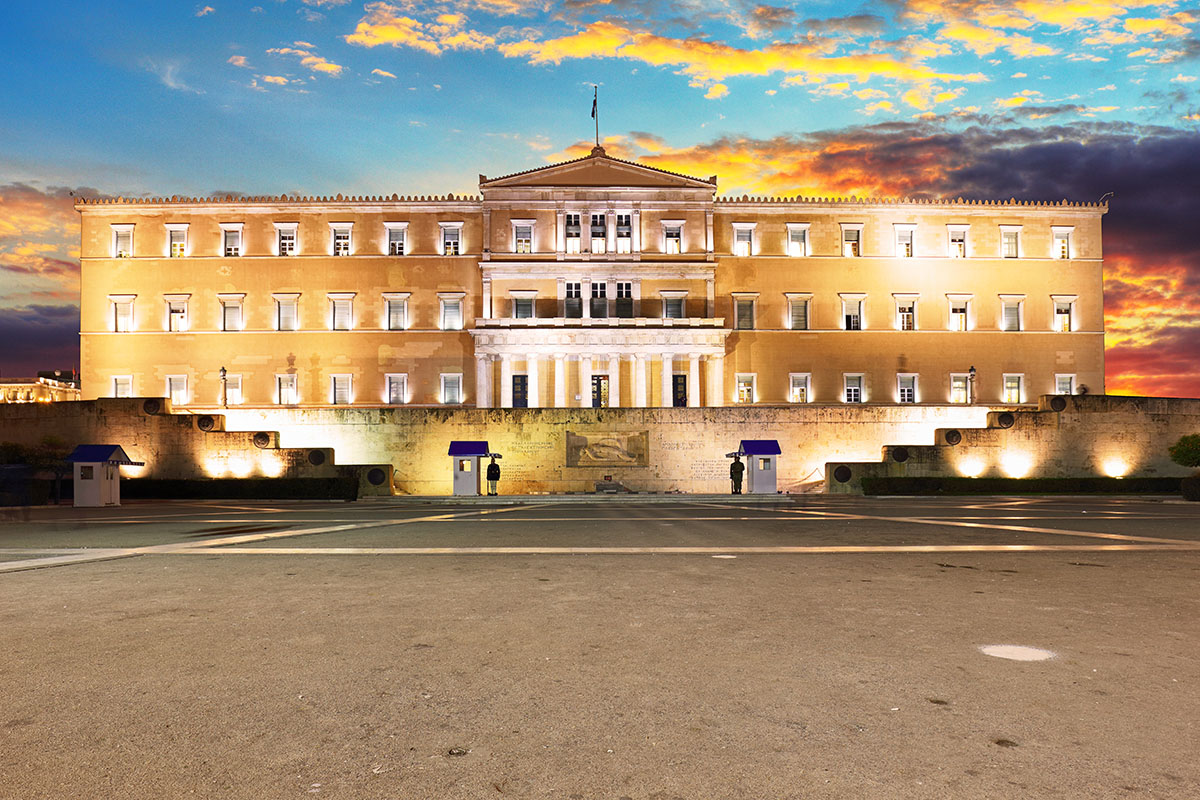
Syntagma Square, Parliament and the Evzones
This is Syntagma Square — say it SEEN-tag-mah — and the big cream-coloured building at the top of it, with two soldiers standing motionless in front, is the Greek Parliament. It was built as a house for a teenager.
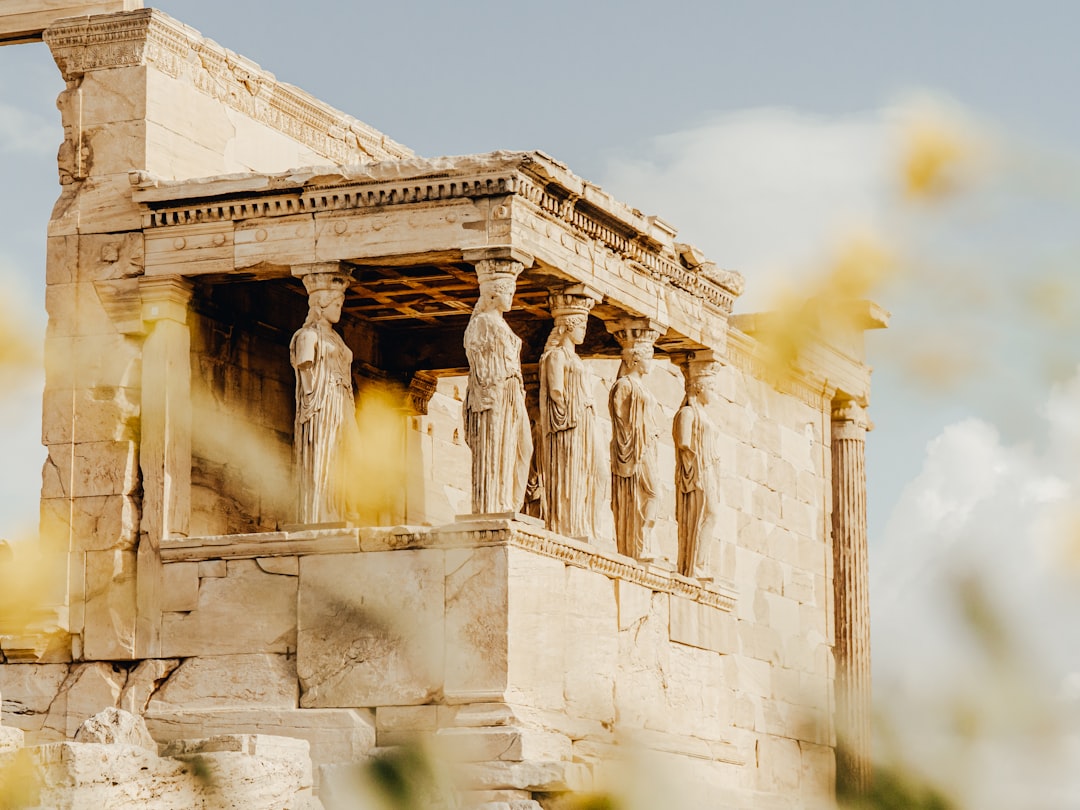
The Ancient Agora
Down the slope from you is the Ancient Agora, and almost all of it is ankle-high — foundations, cut stone, the outlines of rooms where the walls used to be.
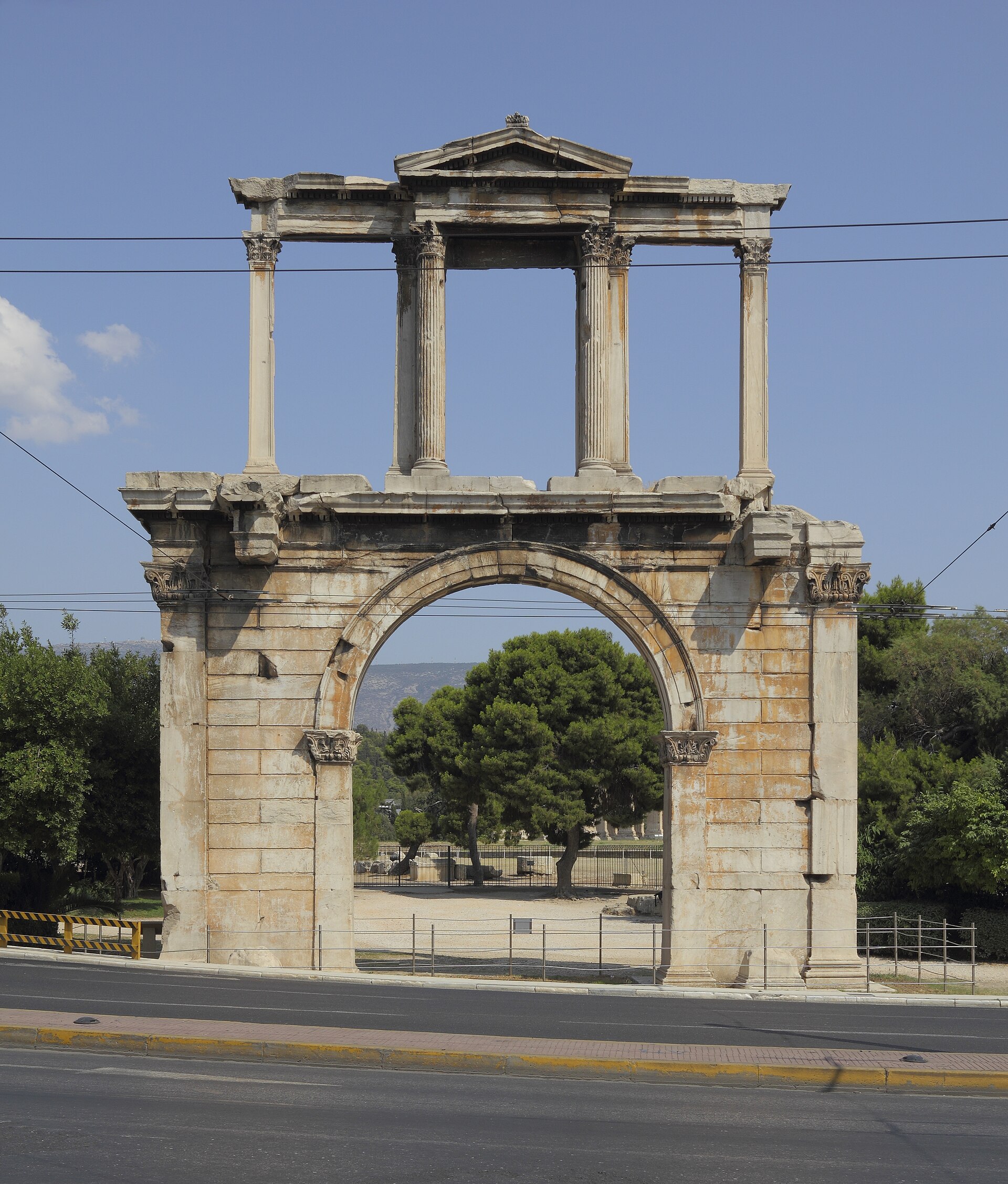
The Arch of Hadrian
That freestanding gateway on the corner is the Arch of Hadrian. An arch is normally a hole you put in a wall, so look either side of this one, and you'll find there's no wall at all, and there never was.
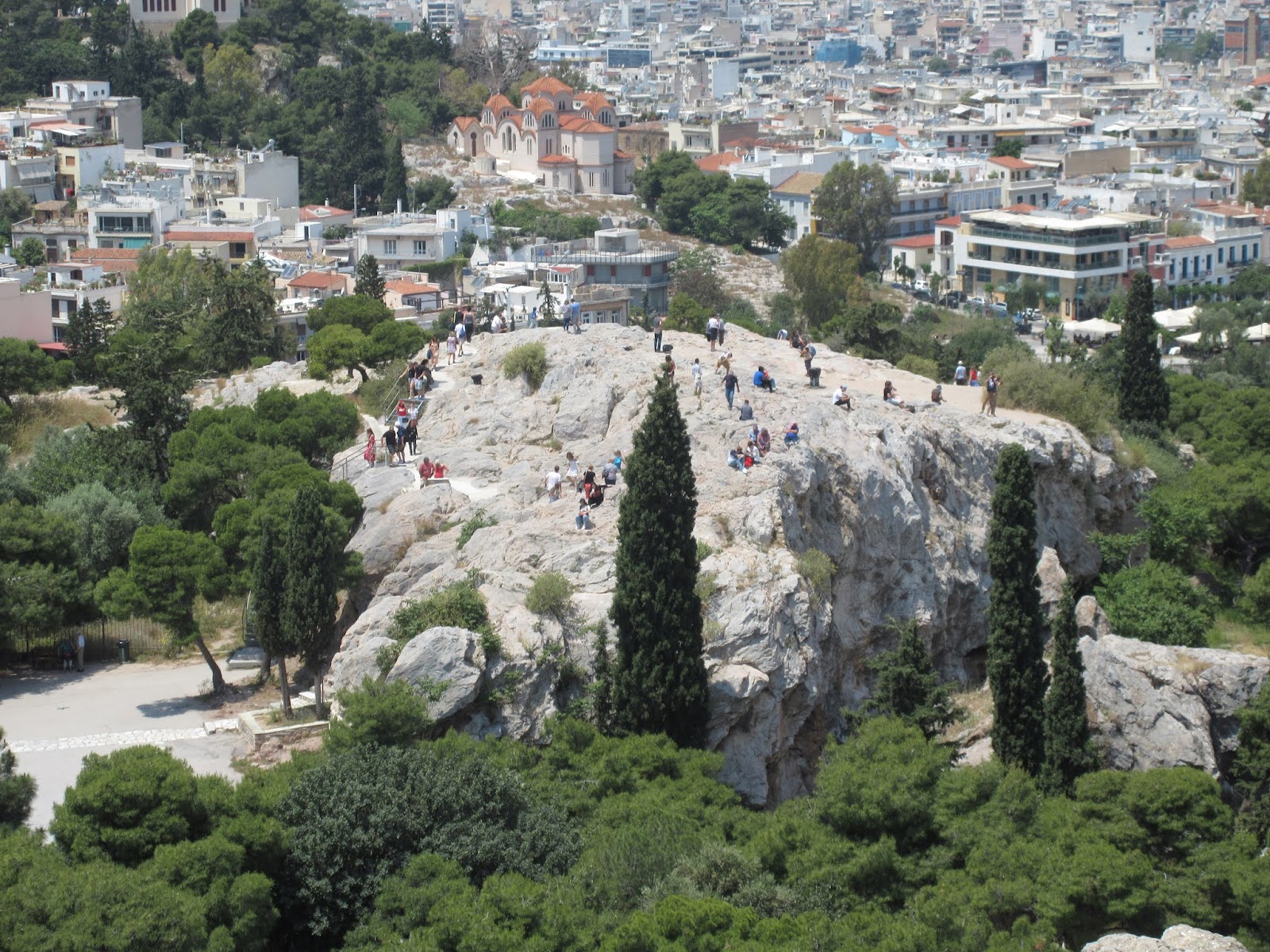
The Areopagus
That bare lump of rock sitting just below the entrance to the Acropolis is the Areopagus, and your brain is going to file it as a viewing platform. It was a courtroom.
The Cathedral and the Little Metropolis
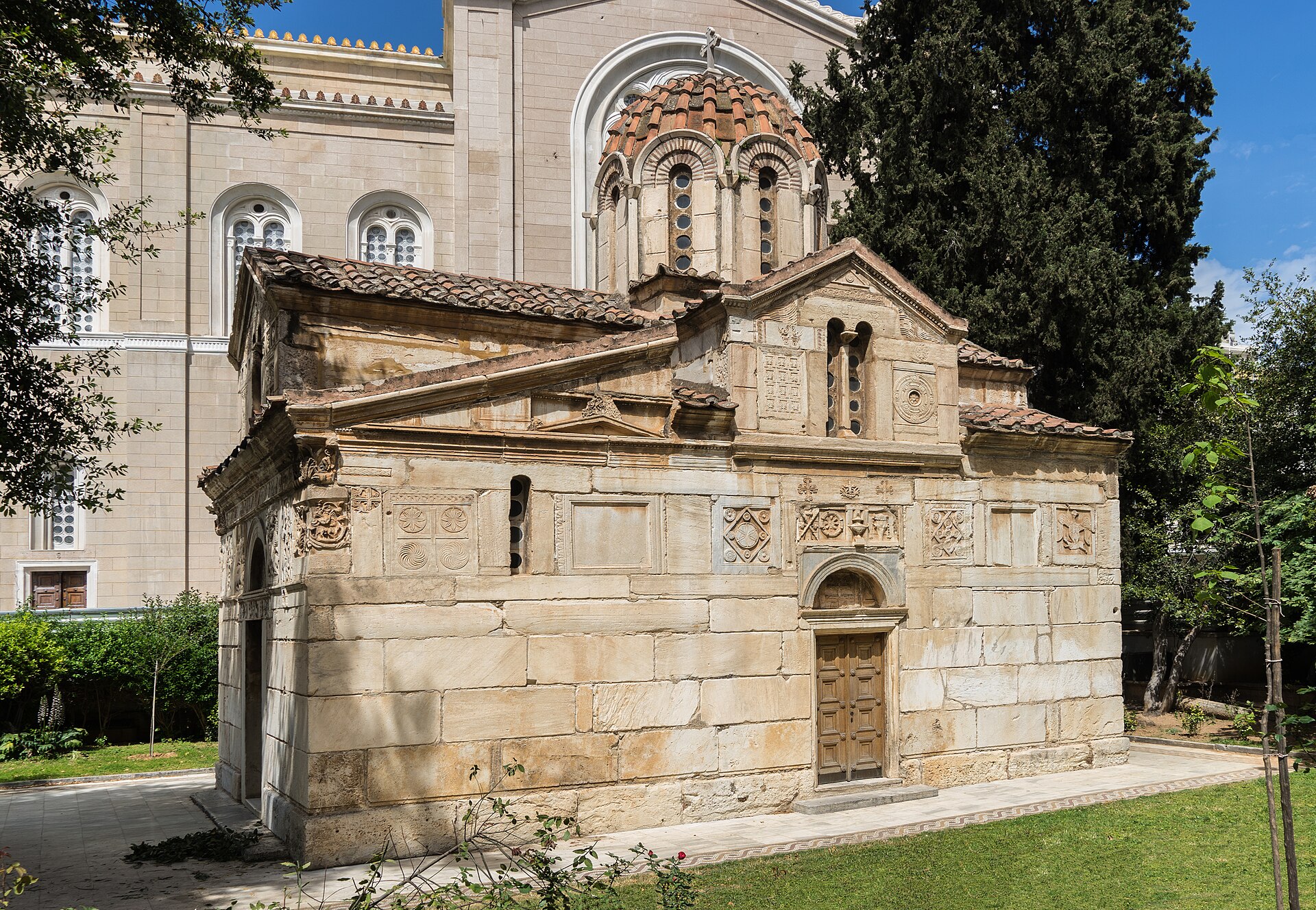
There are two churches in front of you and you want the small one. The big pale cathedral is the Metropolis, and the little grey box crouched beside it looks like it was assembled out of a crate of spare parts. Get closer, because it was.
The Church of Agia Dynami
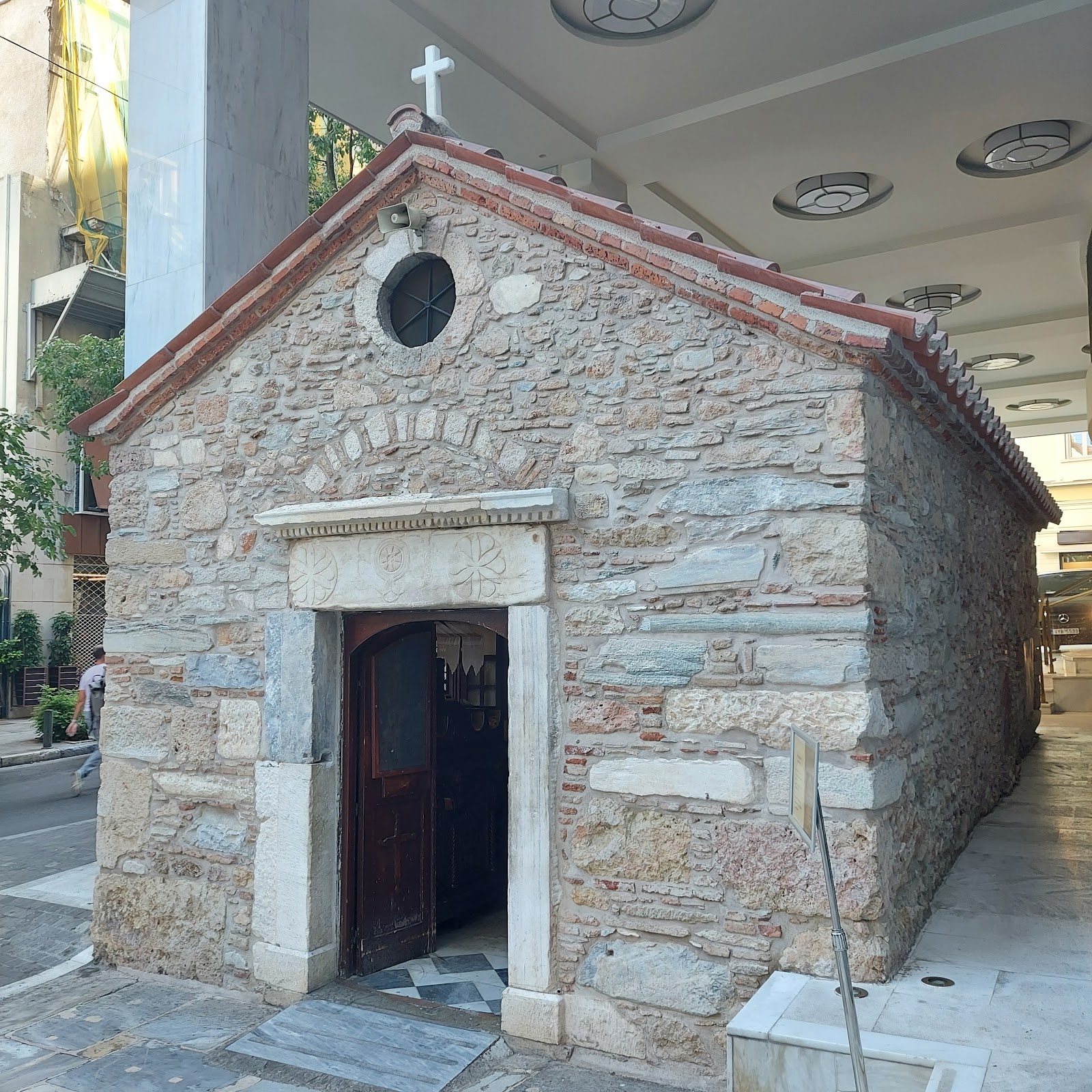
This is the church of Agia Dynami, and the reason people walk past it is that there's a hotel standing on top of it. Find the two square concrete pillars on either side of the little domed chapel.
The Church of Kapnikarea
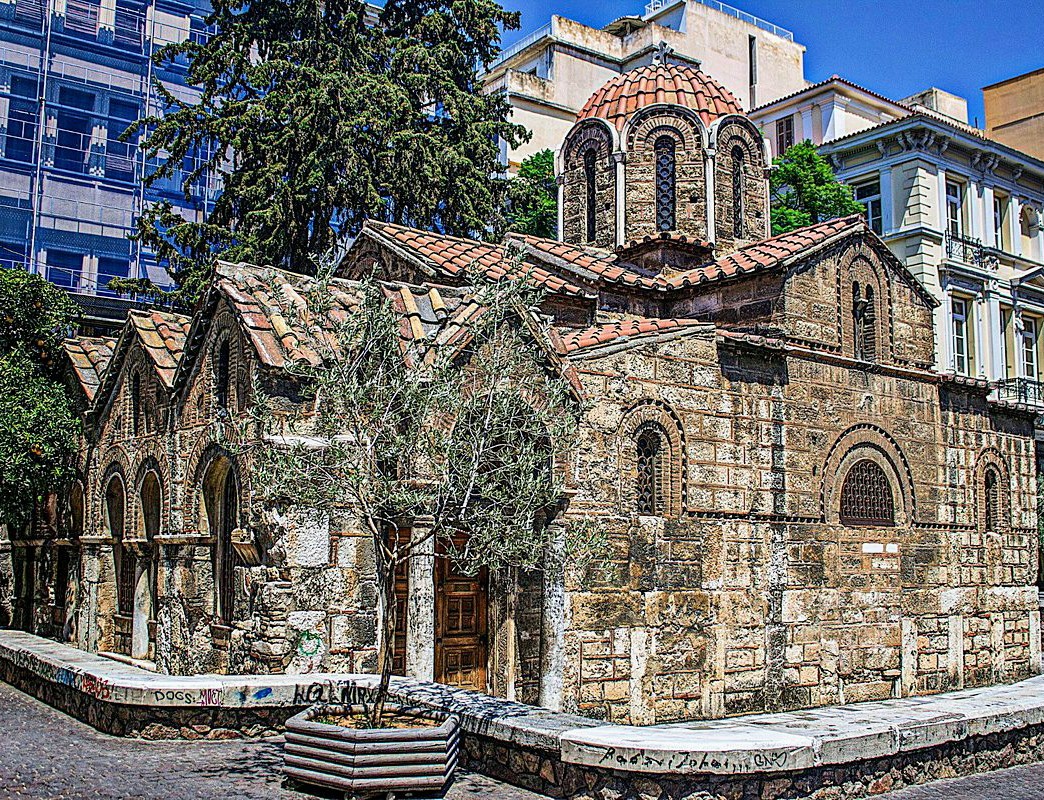
You've found Kapnikarea, the eleventh-century church sitting in a hole in the middle of the shopping street. Look at where the pavement goes.
The Gate of Athena Archegetis
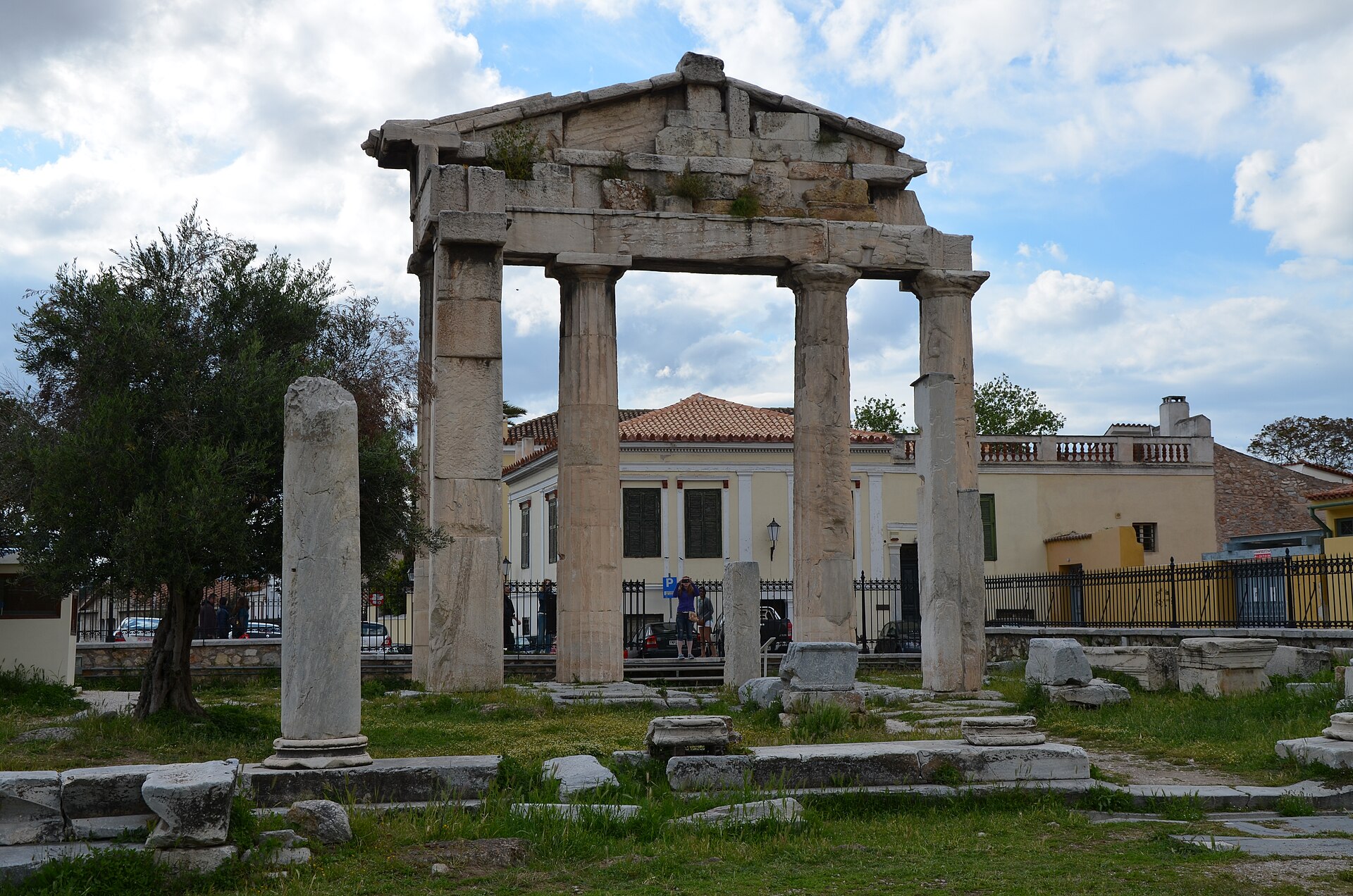
Four thick columns holding up a plain triangular top, with a fenced field of stones behind them — that's the Gate of Athena Archegetis, the front door of the Roman market of Athens.
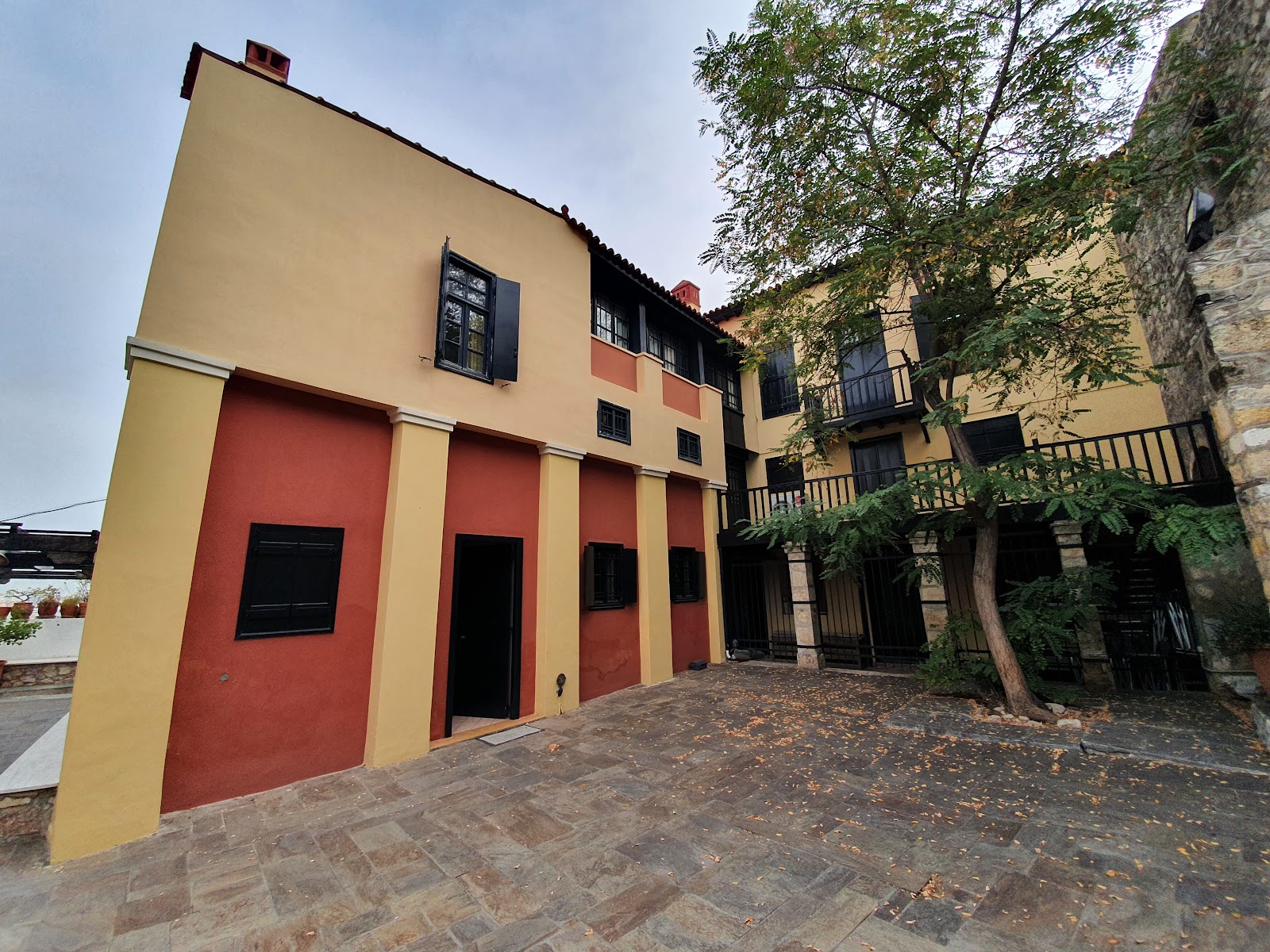
The Old University
The long low house on Tholou Street is the one with the wooden upper storey jutting out over the lane and huge rough stone walls at the base.
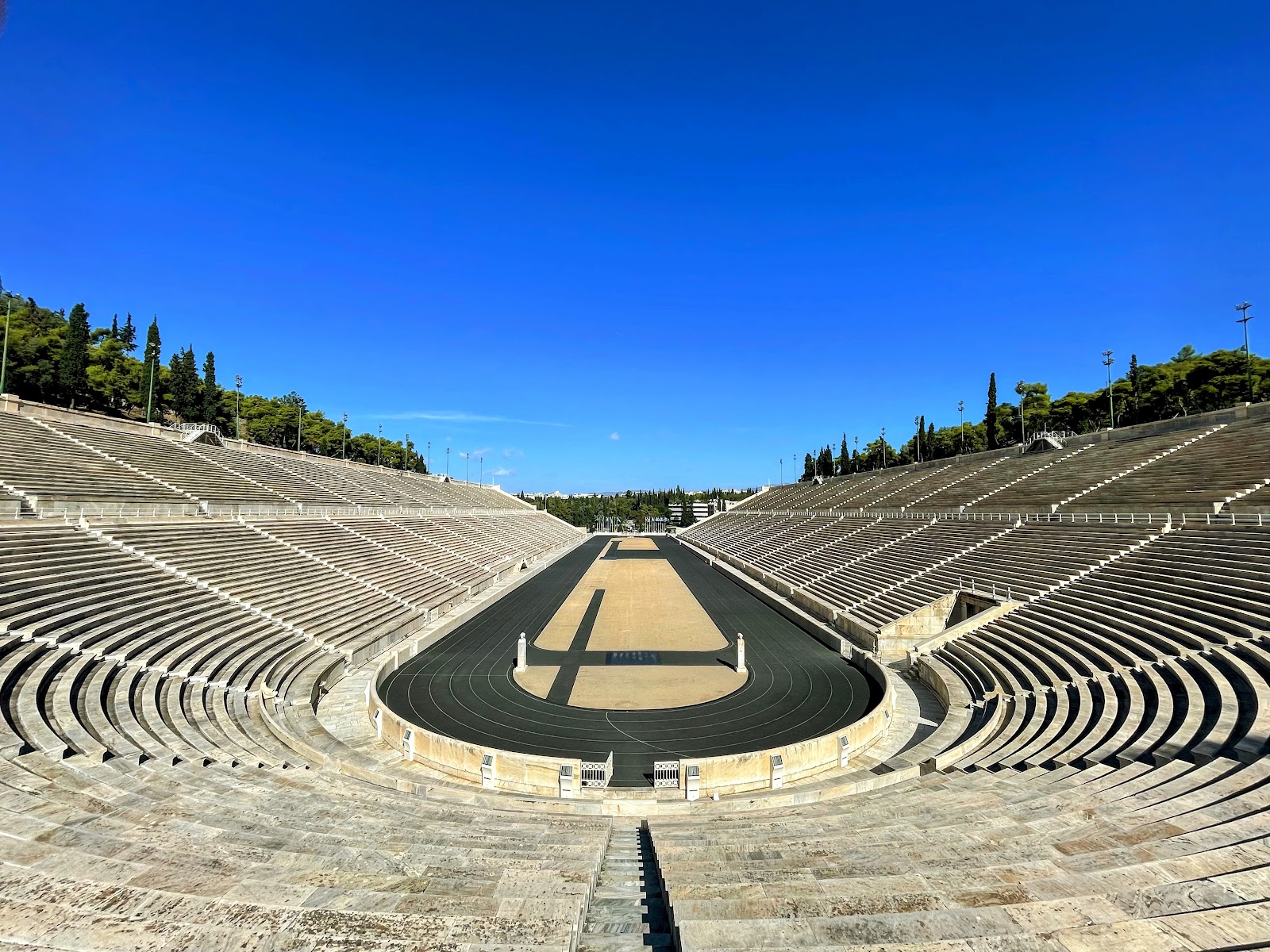
The Panathenaic Stadium
This is the Panathenaic Stadium, and whatever you're picturing when you hear the word stadium, this isn't it.
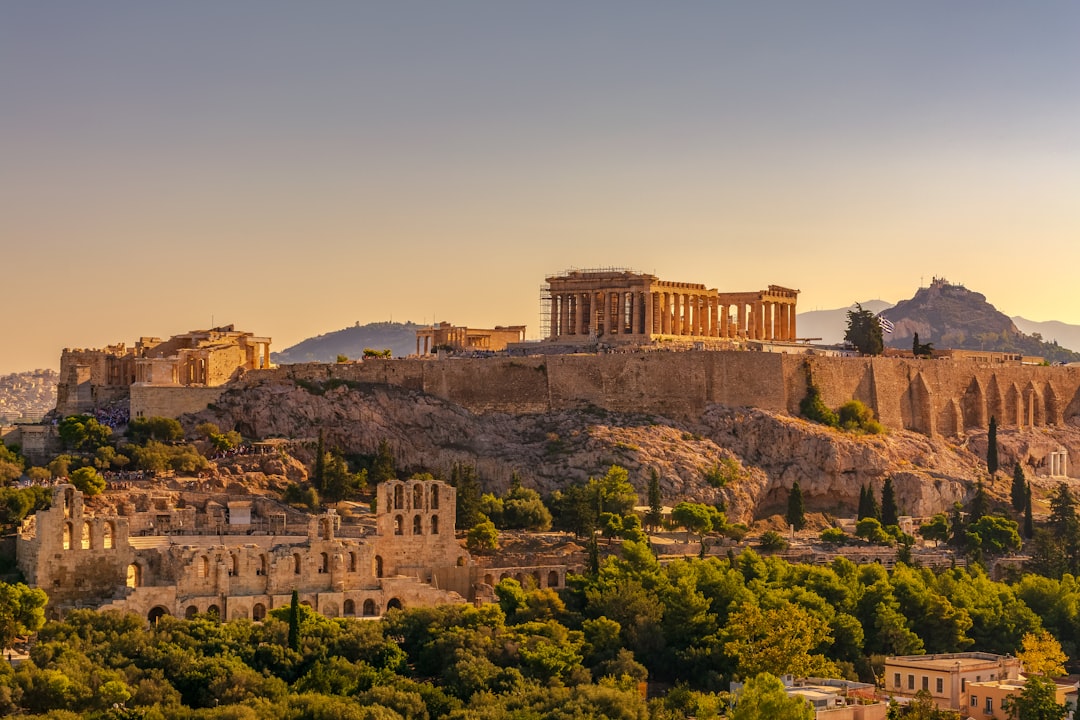
The Parthenon
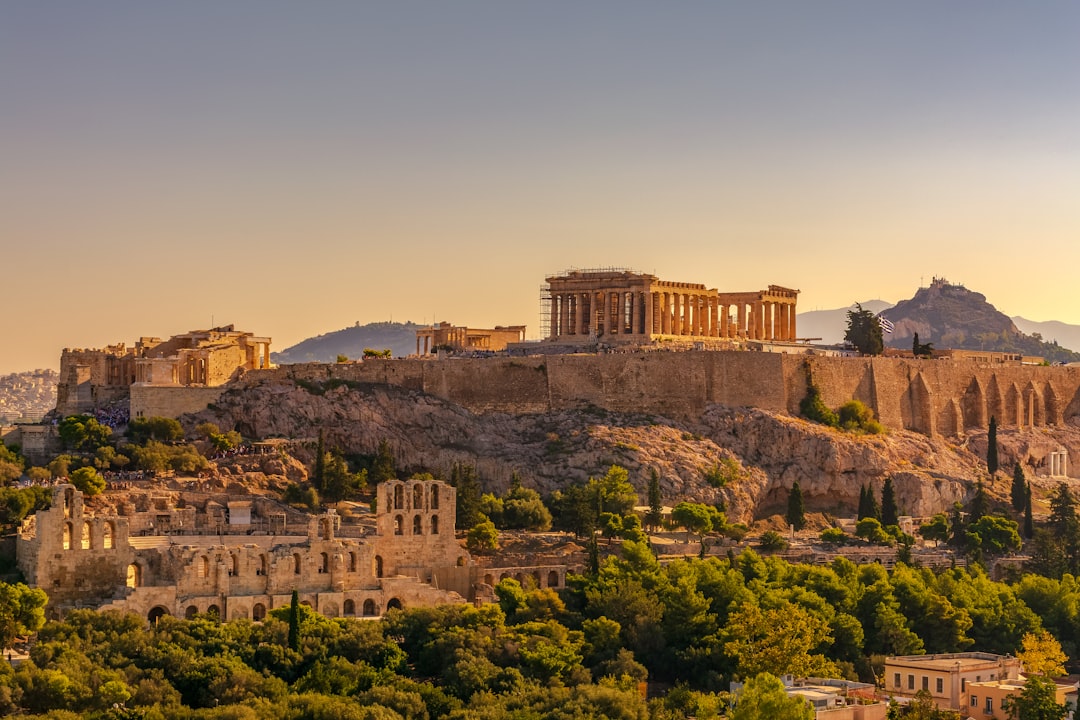
The Parthenon, then — the big one on the flat top of the rock. Find the middle of it, because the columns are doing perfectly well and it isn't them you want. It's the gap behind them.
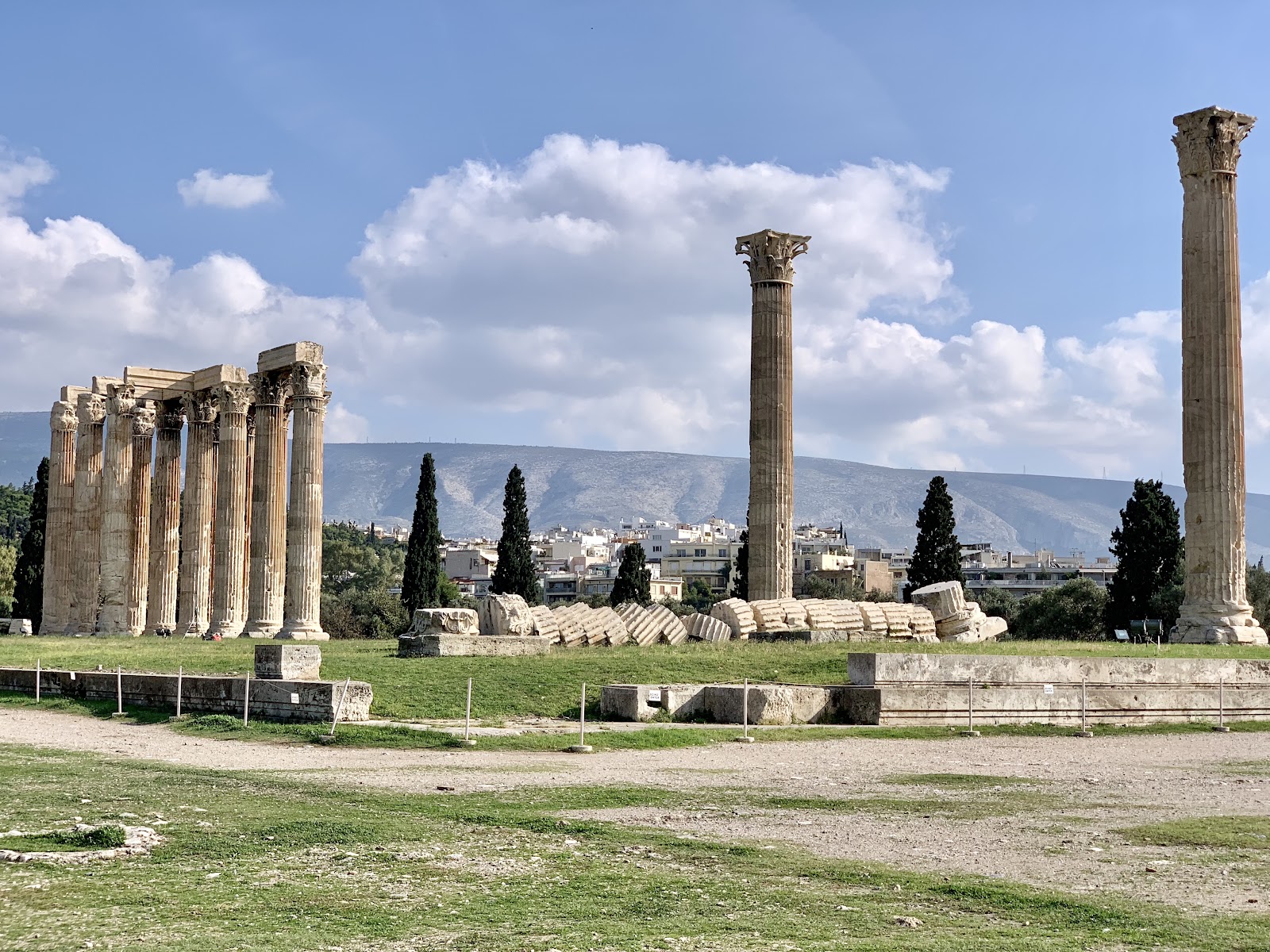
The Temple of Olympian Zeus
Those enormous columns standing in the field in front of you are what's left of the Temple of Olympian Zeus, and one of them is lying down.
The Tower of the Winds
The octagonal marble tower ahead of you is the Tower of the Winds, and it is the most quietly astonishing object in Athens. Twelve metres high, eight flat sides, and near the top of each side a carved winged man flying sideways.
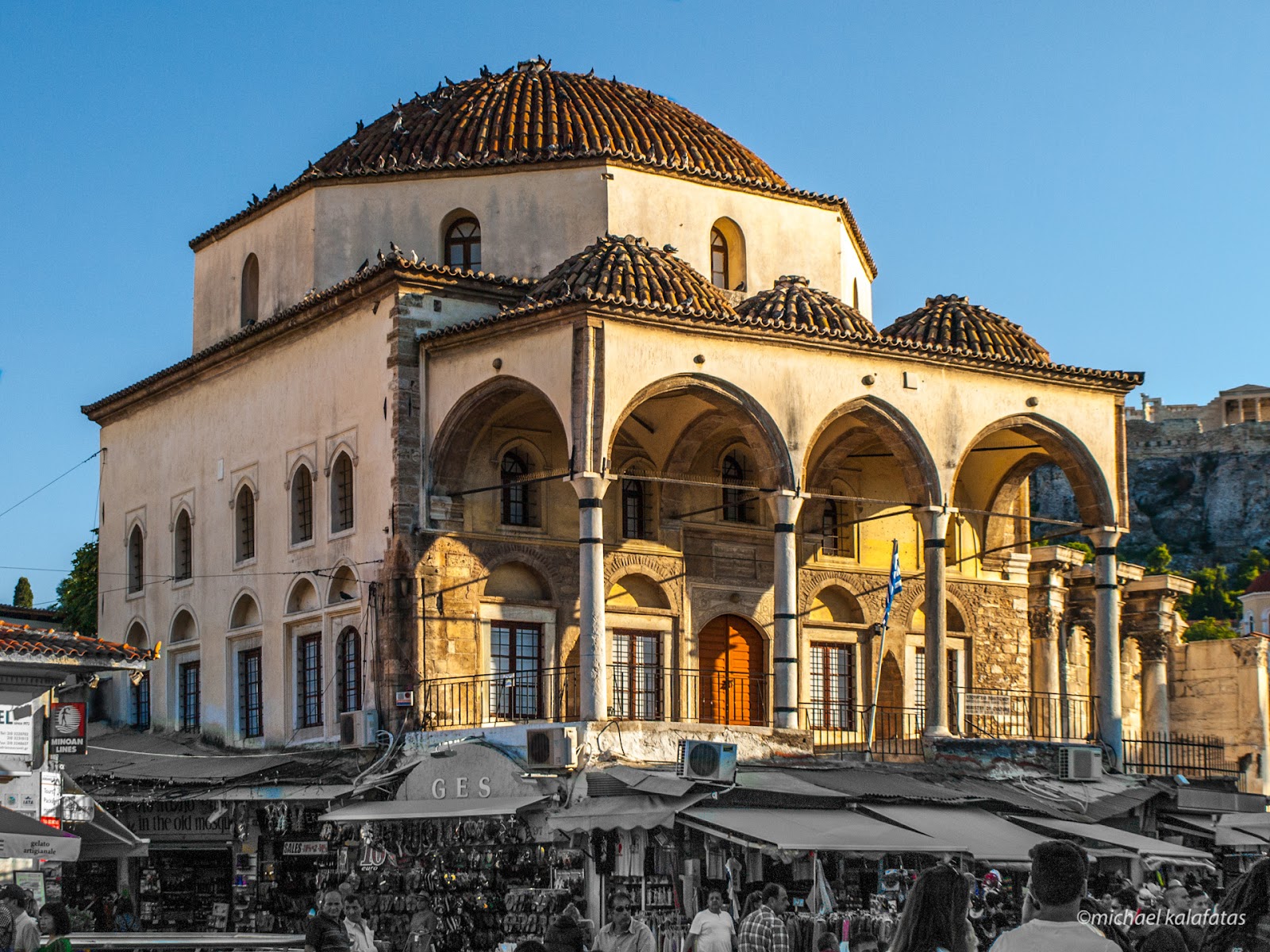
The Tzistarakis Mosque
The low pink-and-white building with the arched porch on the edge of Monastiraki Square is a mosque. Built seventeen fifty-nine, no minaret any more, and it's a museum now. Look at the plaster on it.
Athens Audio Experiences
Visit these landmarks and more on a self-guided audio experience.
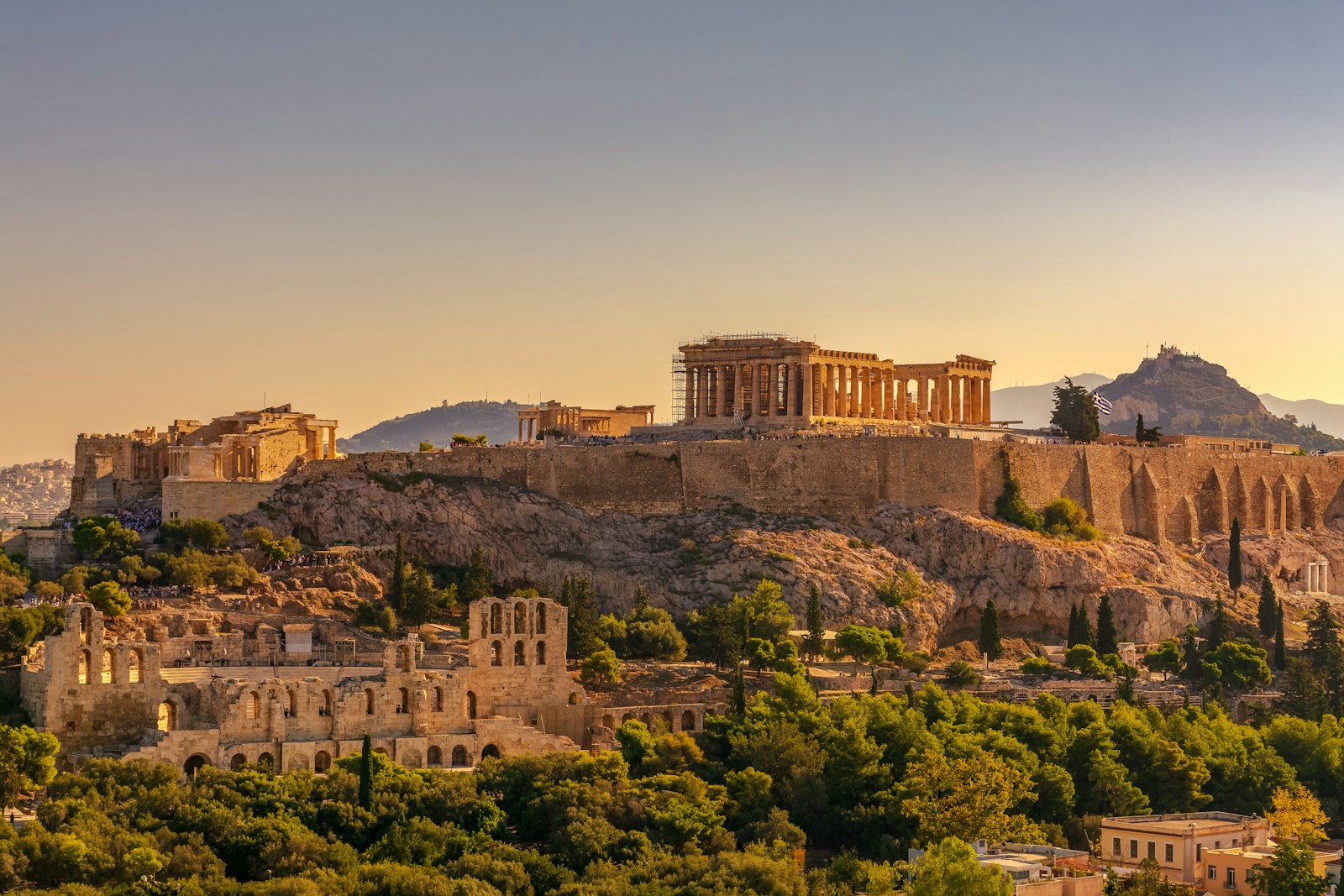
Athens in One Morning
Athens never knocked anything down. It just gave things a new job and carried on. The most famous building on earth was a temple, then a church, then a mosque, and then somebody decided it would make an excellent place to store gunpowder. This is the first-timer's walk, from Syntagma Square to the Panathenaic Stadium, told through the version the guidebook leaves out: a seventeen-year-old Bavarian handed a country he could not speak the language of, a hundred and ninety ballots found at the bottom of a well with the same name on every one, a two-thousand-year-old trophy that French monks used as a library and Byron used as a study, an arch that contradicts itself on opposite faces of the same stone, a temple that took six hundred and thirty-eight years and got looted before it was ever used, and a water carrier who won the first Olympic marathon and asked the King for a donkey cart. Ten stops, just under four kilometres, eight centuries. Nearly all of it is true. Six things are mine.
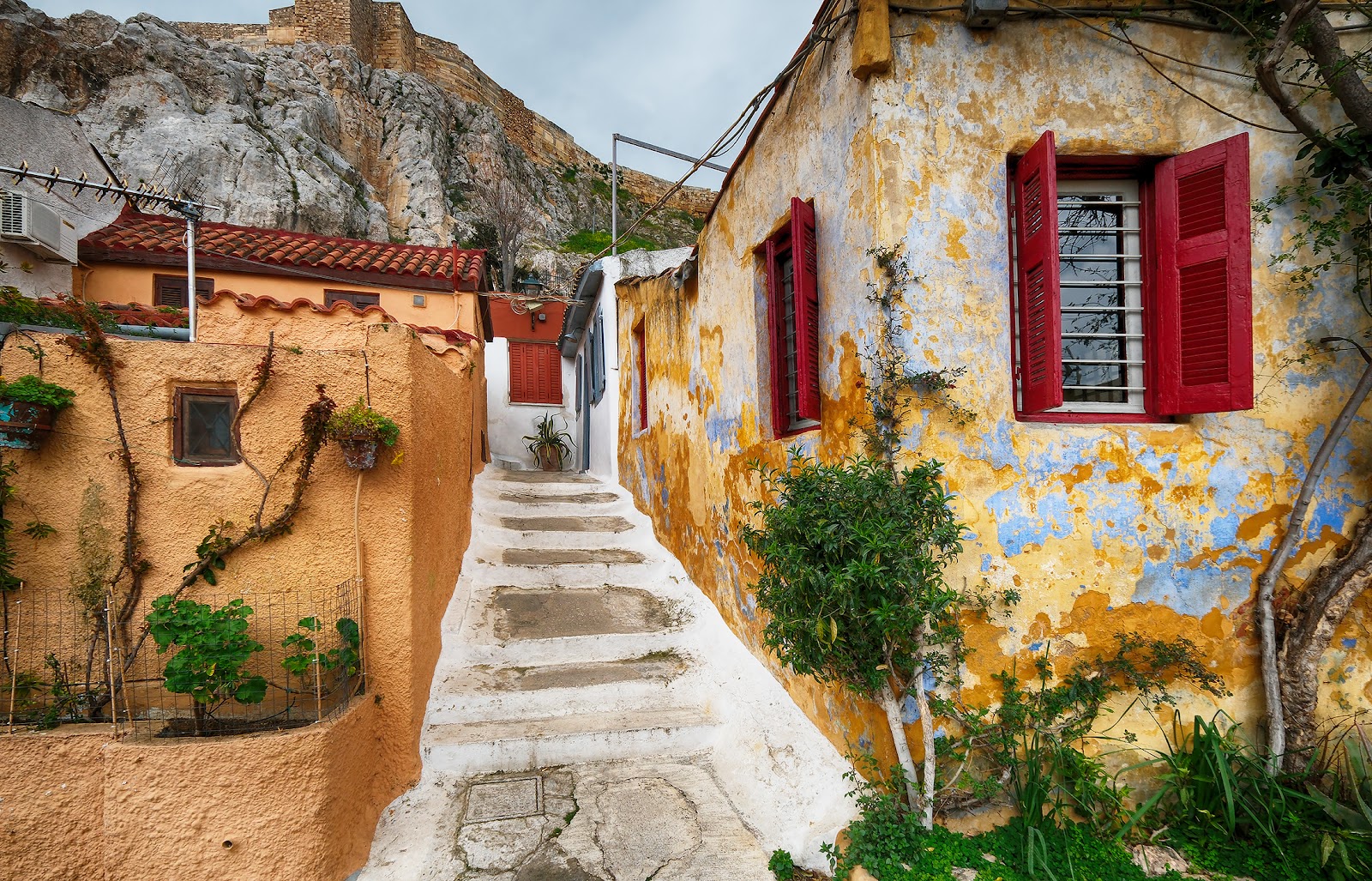
The Village That Appeared Overnight
Nothing in Plaka was built from scratch. The cathedral is made out of seventy-two churches Athens had just knocked down. There is a chapel with a nine-storey hotel standing on stilts over it, a Roman library that spent four hundred years as a bazaar, and a clock from the first century BC with a second clock inside it for cloudy days. The walk ends in Anafiotika, a whitewashed island village that island masons put up on the slope of the Acropolis in a single night, legally, because of a rule about roofs. Forty-five of the houses are still lived in, the lanes still have no names, and everybody's post arrives in one blue box.
Hear the stories behind these places
Download the app for audio-guided experiences of Athens's landmarks.
Get the App