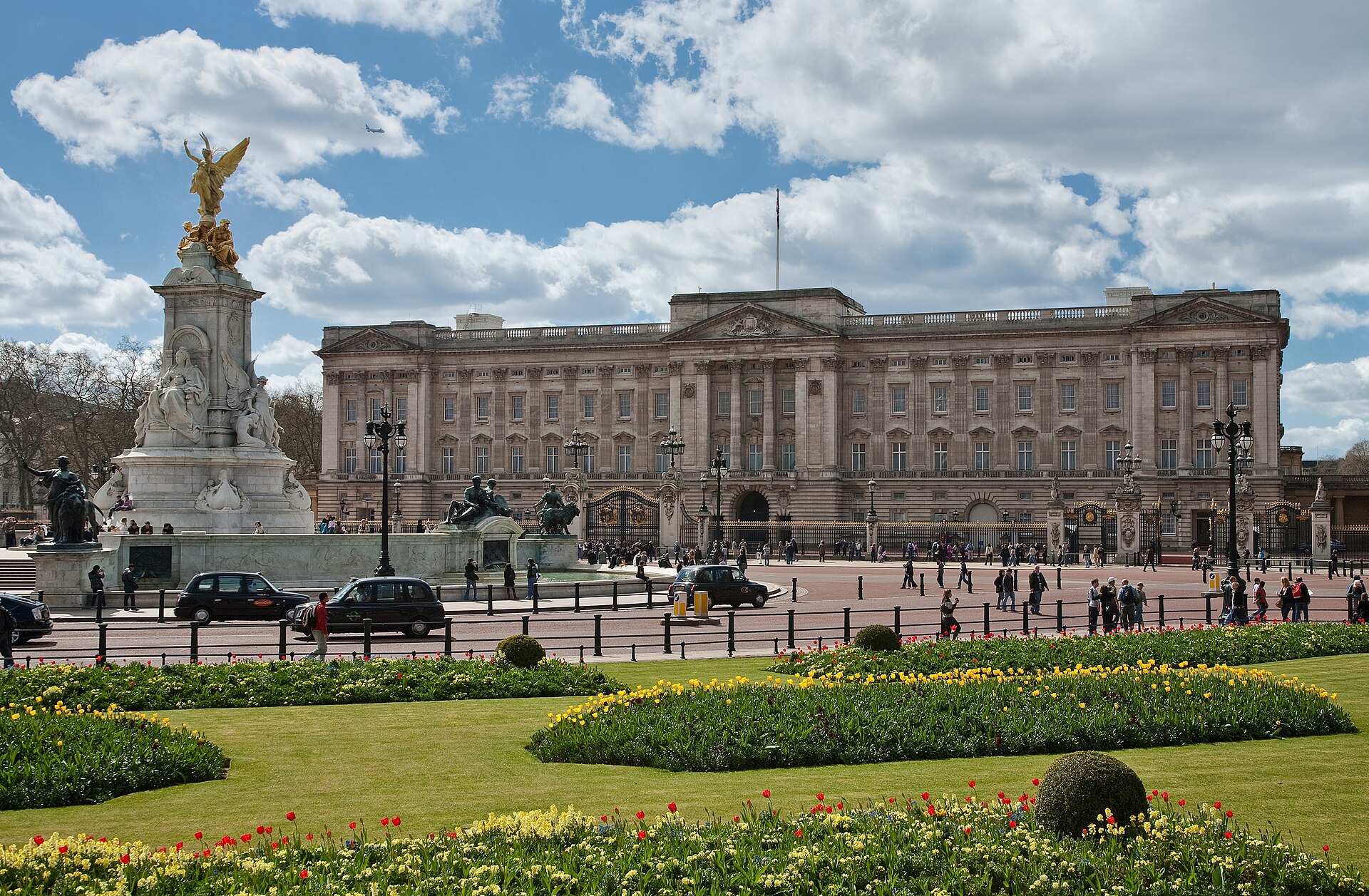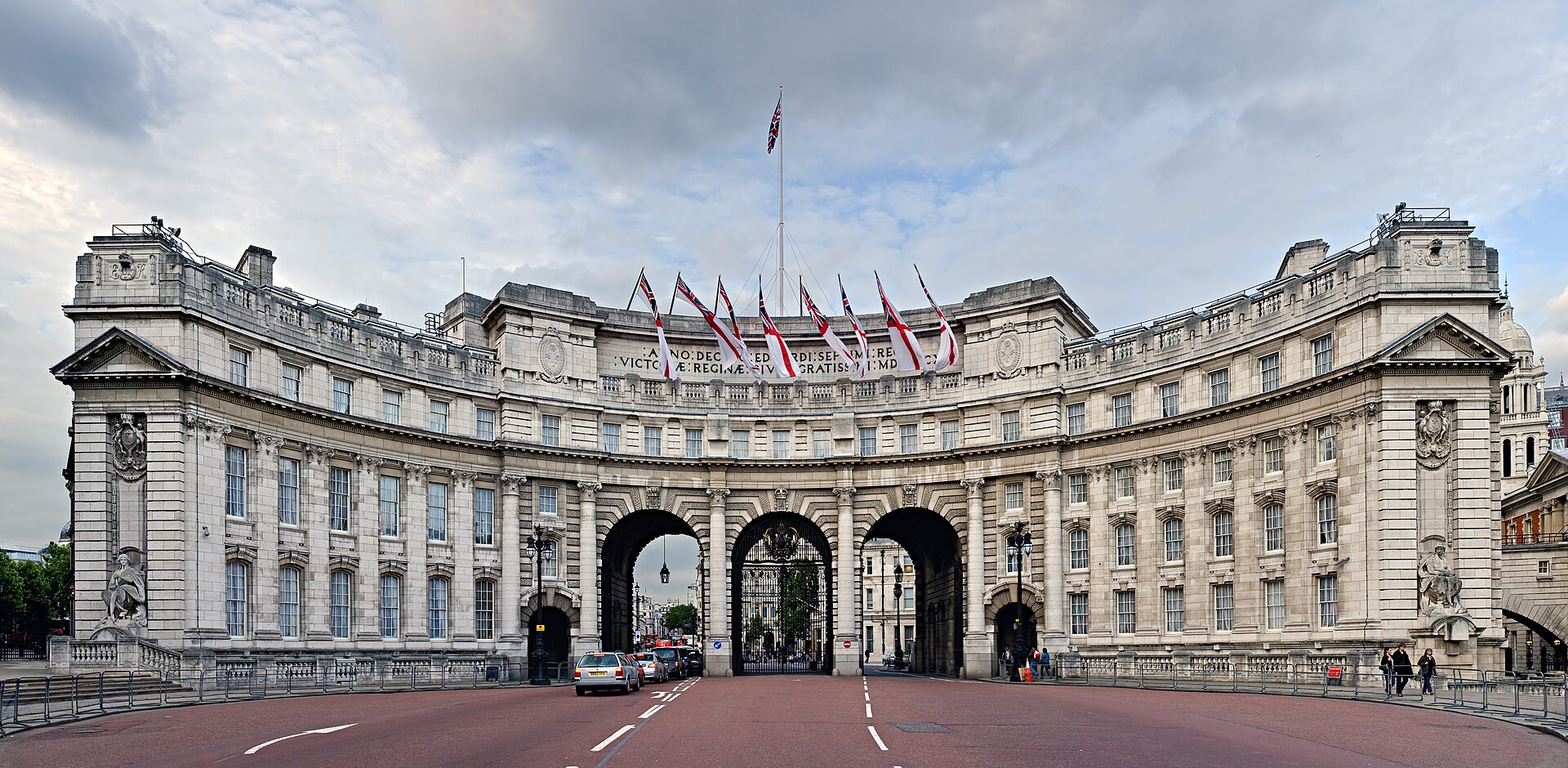
You're at Admiralty Arch, the grand stone gateway where the long straight road to Buckingham Palace begins. Big ceremonial arch, built as a memorial to Queen Victoria. And somewhere on the inside wall of it, about seven feet off the ground, there is a small human nose. A nose. Sticking out of the stone. Most people walk under it their whole lives and never look up.
For years, the story went like this: it's the nose of the Duke of Wellington, or maybe Napoleon, placed there so the mounted soldiers of the Household Cavalry could rub it for good luck as they rode through. It's exactly at the height of a man on horseback. It sounds perfect. It's completely made up.
The truth is better. In nineteen ninety-seven, an artist named Rick Buckley made a plaster cast of his own nose — his actual nose — and secretly glued about thirty-five copies of it to buildings all over London. The National Gallery, Tate Britain, right here. It was a protest against surveillance cameras, against being watched
everywhere you go. His idea was to plant something the cameras would never notice, hiding literally under their noses. And it worked. He stayed completely anonymous for fourteen years. Nobody knew who did it or why until he finally admitted it in twenty eleven. So that "lucky Wellington nose" the tour guides talk about? It's a random artist's nose, stuck to a royal monument to complain about CCTV