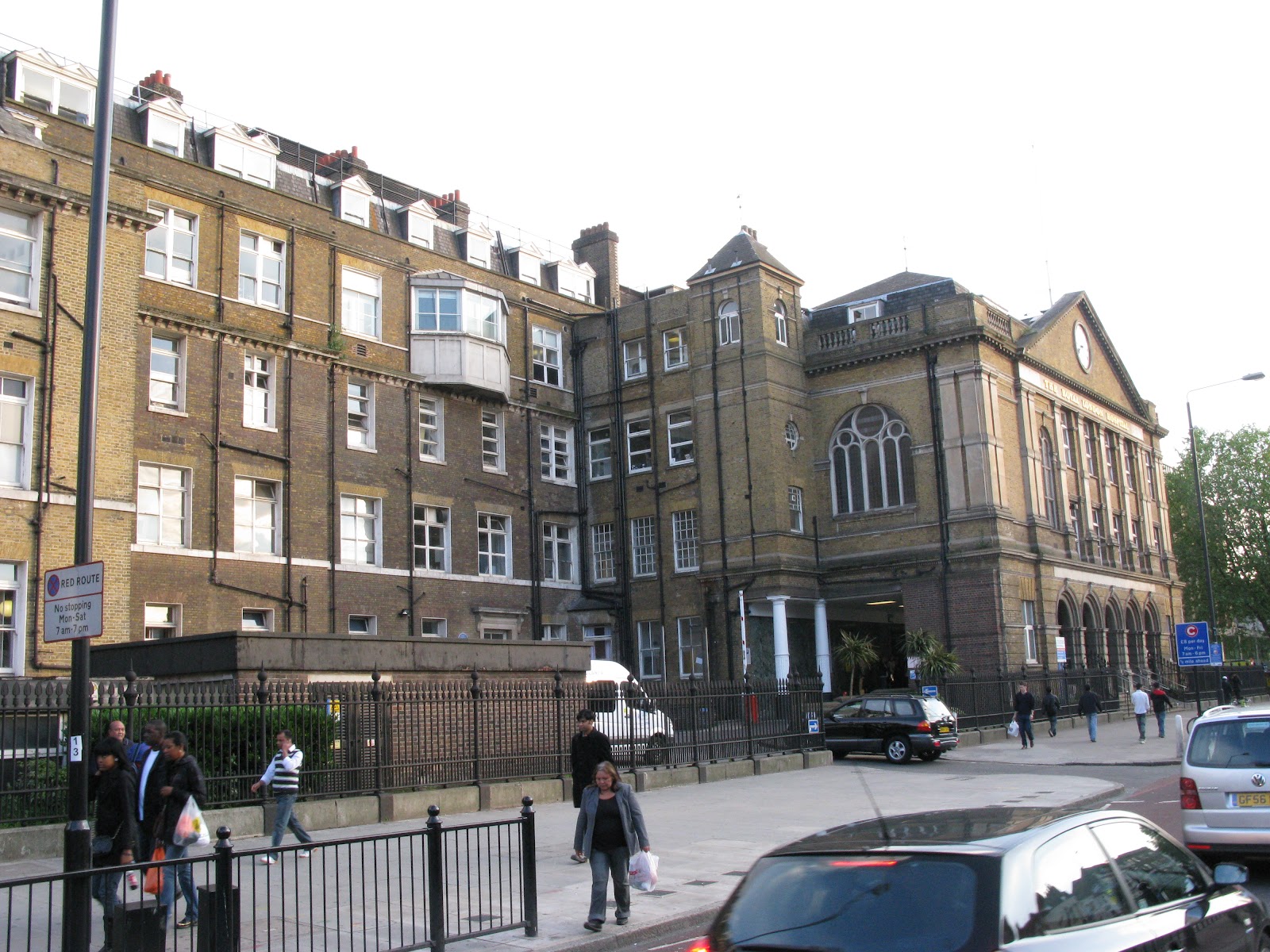
This is the Royal London Hospital. And in the eighteen eighties, directly across this road — you could throw a stone to it — there was a penny shop where crowds paid to file past a man billed as half-human, half-elephant, and recoil. His name was Joseph Merrick, and his story is the reason I brought you here.
Merrick was born with a condition that severely disfigured his body and his face, growth that thickened and reshaped him until, by his twenties, the only living the world would allow him to earn was as a sideshow exhibit — the "Elephant Man," put on display in that shop by a showman named Tom Norman. And it was there, across the street, that a surgeon from this hospital, Frederick Treves, first saw him. Treves paid his penny like everyone else. He wrote, with brutal honesty, that his first impression was of "the most disgusting specimen of humanity" he had ever seen. Hold that line, because Treves spent the rest of his life discovering how wrong it was. That is the man everyone e
xpected Merrick to be. It is not remotely the man he was.
Because after the freak-show trade was banned and Merrick was passed on to a manager on the Continent, that manager robbed him of his savings and abandoned him, alone and penniless, in Brussels. Somehow, unable to speak the language, barely able to make himself understood, Merrick found his way across Europe and back to London — to Liverpo