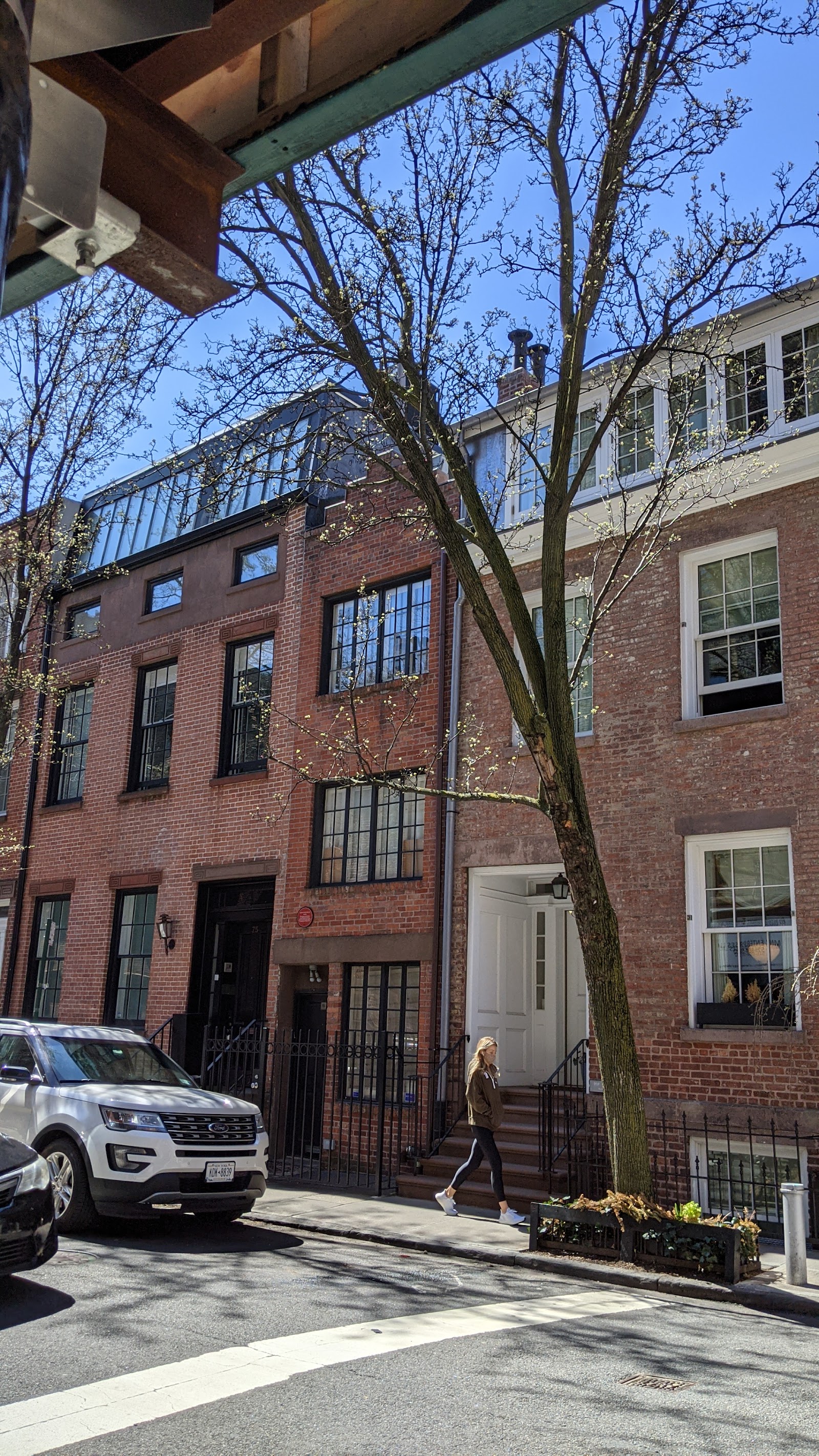
West Twenty-sixth Street. Look at the buildings on both sides of you. Glass towers, luxury condos, restaurants with outdoor seating at street level. None of this was here twenty years ago. This was warehouses, parking lots, and an abandoned railroad that most of the neighborhood wanted torn down. What changed was two people who had no idea what they were doing.
In August of nineteen ninety-nine, a freelance writer named Joshua David walked into a Community Board Four meeting in Chelsea. He was thirty-six. He'd never been to a community board meeting before. The agenda was the future of the High Line — C-S-X Transportation owned the structure and was taking proposals for what to do with it.
Everyone at that meeting spoke in favor of one thing: tearing it down. Property owners had been lobbying for demolition since the mid-eighties. The viaduct was blocking development. It was an eyesore. It was rusting. Tear it down, build on the land, move on.
David looked around the room and notice
d one other person who seemed uncomfortable with that idea. A twenty-nine-year-old artist named Robert Hammond, who worked for tech start-ups to pay his rent. David sat next to him. According to every retelling of this story, and there have been many — David sat next to Hammond because he thought he was cute.
They were the only two people in the room who didn't want to demolish the High Line. The