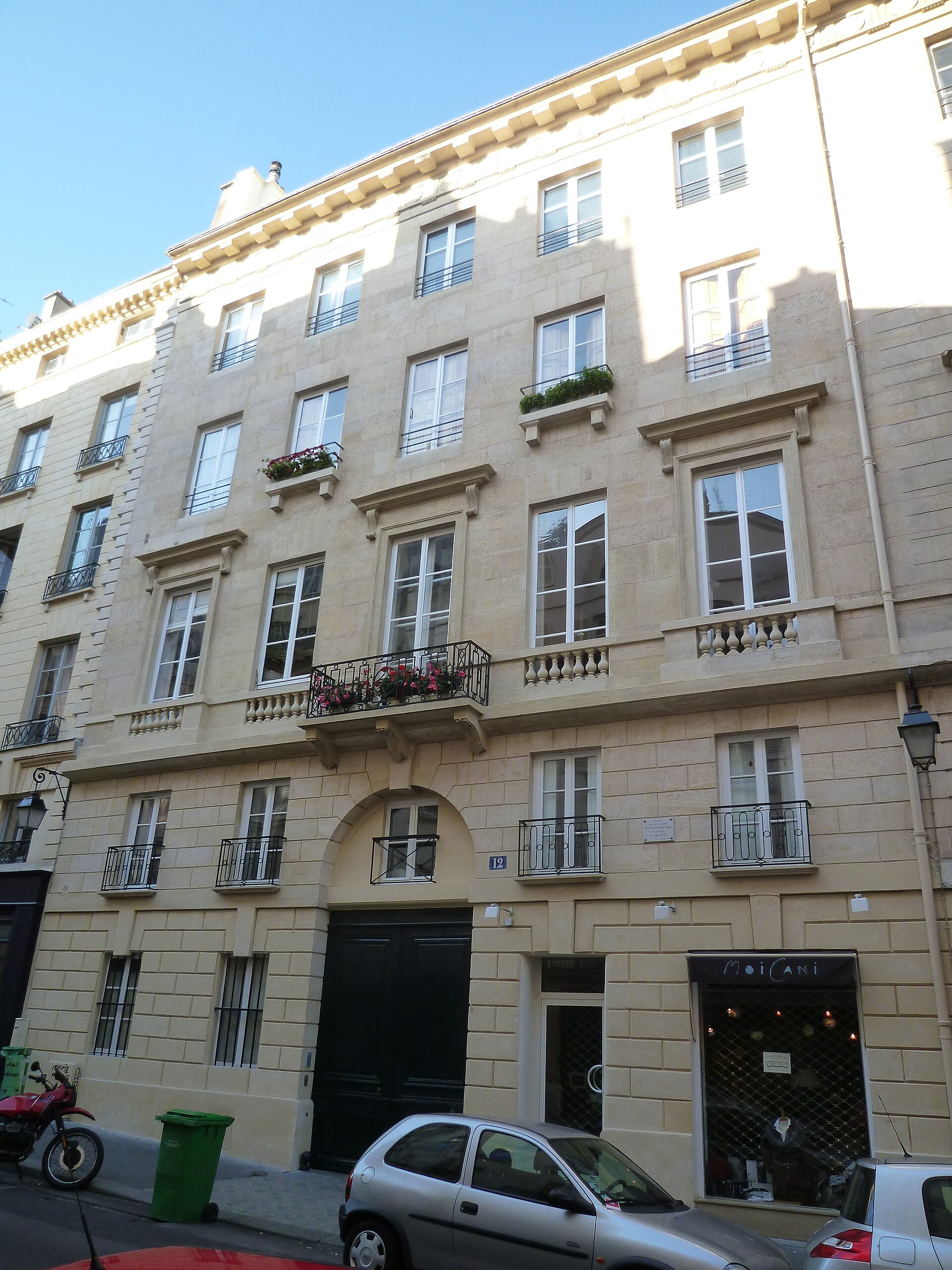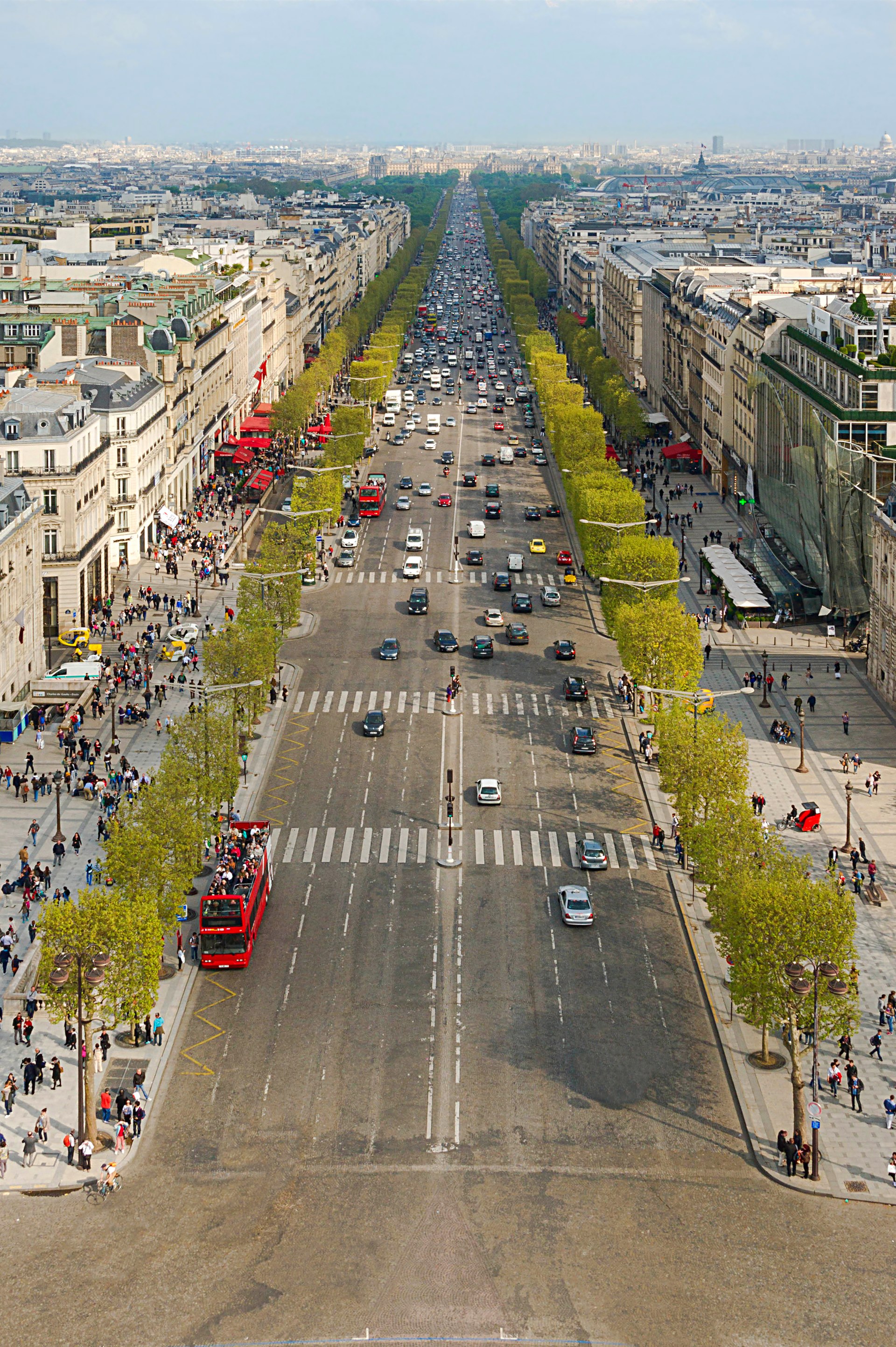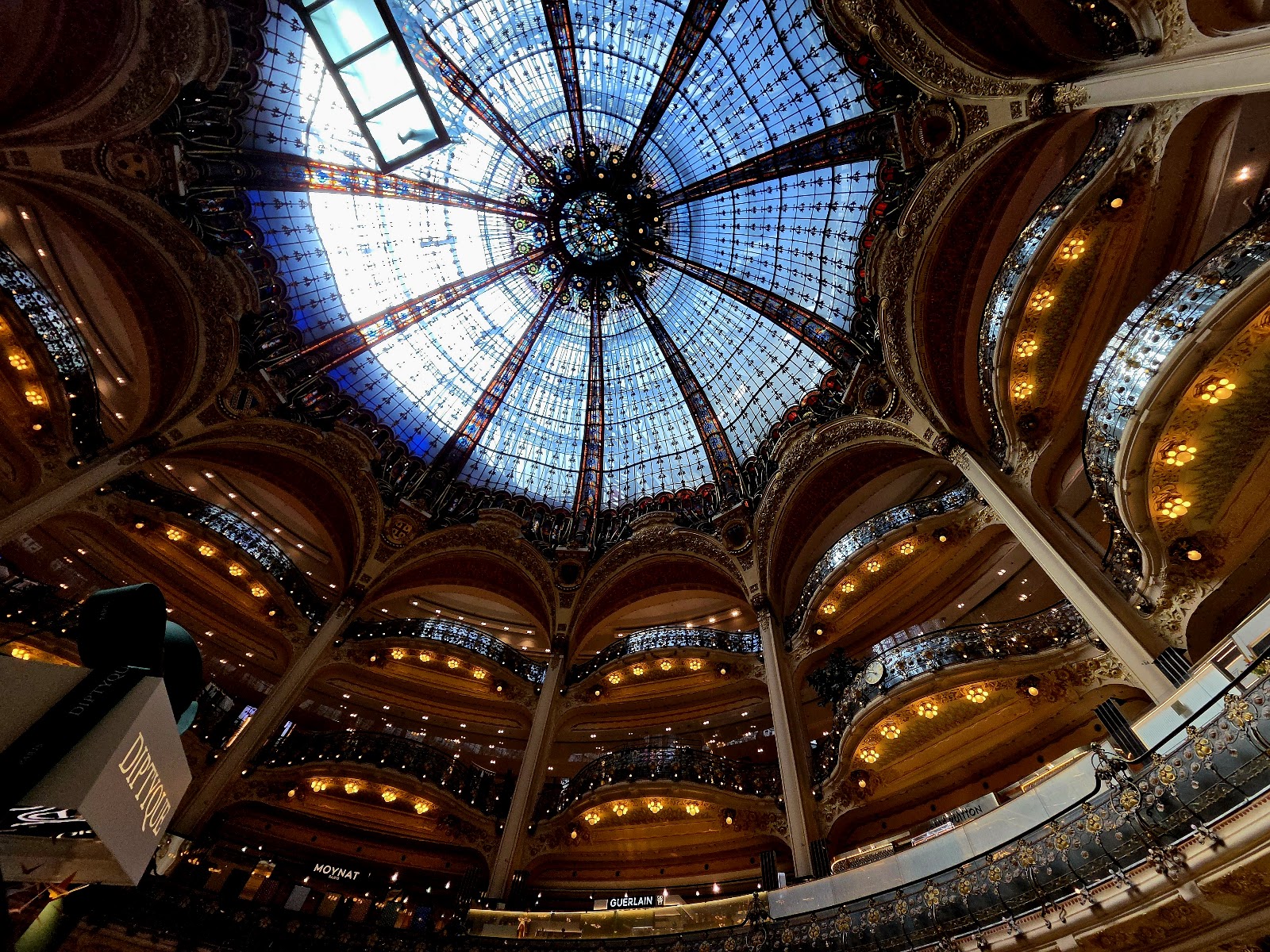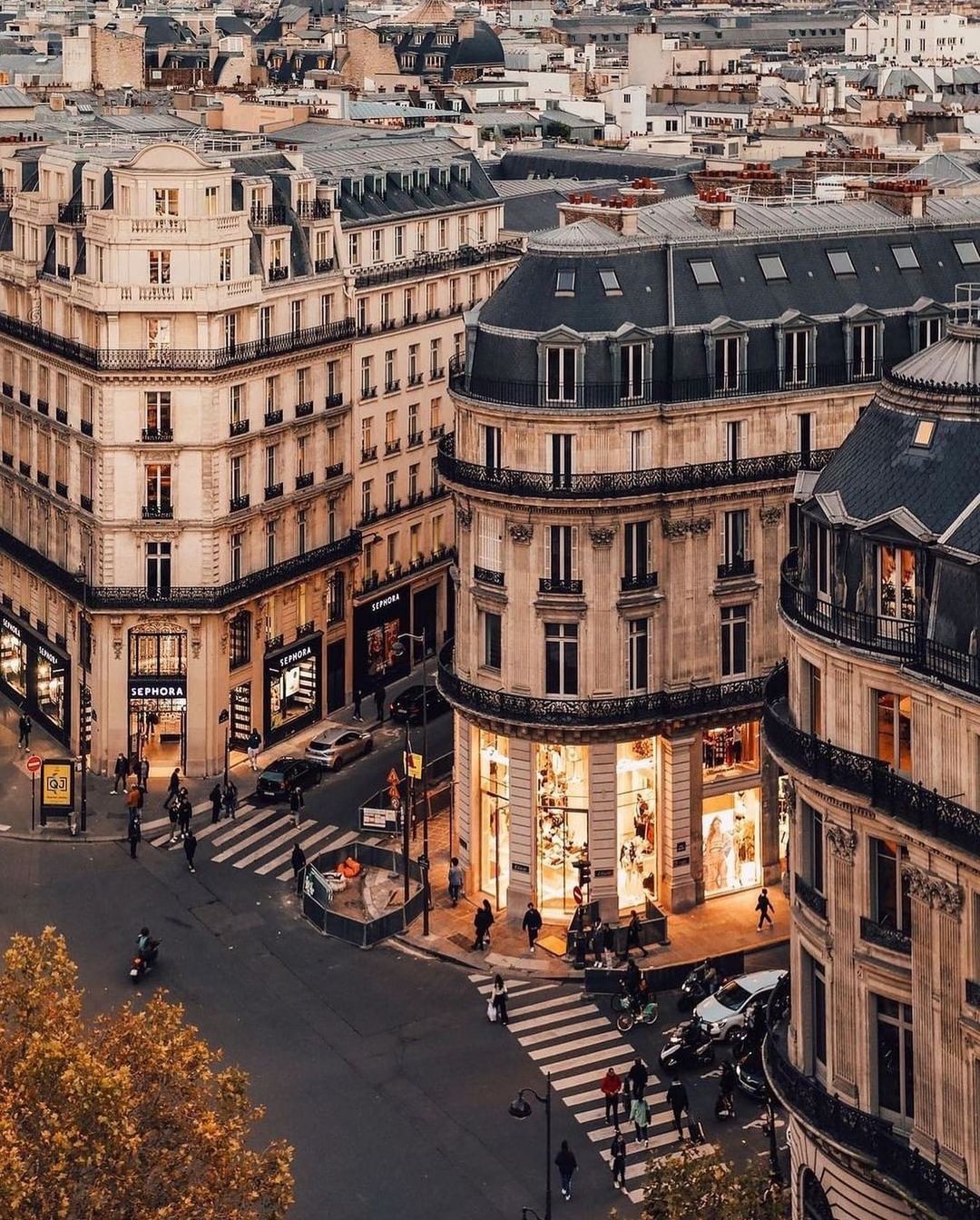
The street sign on the corner says Boulevard Haussmann. Say it OHS-mahn — and remember it, because the man it's named after is the reason this street exists, and that building exists, and most of what you'll see today exists.
In eighteen fifty-three, Paris was still a medieval city. Streets so narrow two carts couldn't pass. Open sewage running down the middle. A third of the population packed into a core not even twice the size of Central Park. Cholera came through in waves — one outbreak killed nineteen thousand people. The new emperor, Napoleon the Third, wanted a modern capital, and he hired a man named Georges-Eugène Haussmann to build it. Haussmann had no training in architecture. None in urban planning either. He was a lawyer. An administrator. What he had was the emperor's total backing and no sentimentality whatsoever.
Over seventeen years, Haussmann demolished nineteen thousand seven hundred and thirty buildings. He displaced three hundred and fifty thousand people — a thir
d of a million Parisians told to pack up so the city could come through. He cut seventy-one miles of new streets. For scale, Manhattan is thirteen miles long. He laid four hundred miles of pavement and two hundred and forty miles of sewer under it, and gaslights over it, and trees along it. No city on Earth, before or since, has voluntarily torn itself apart on that scale in peacetime. When people