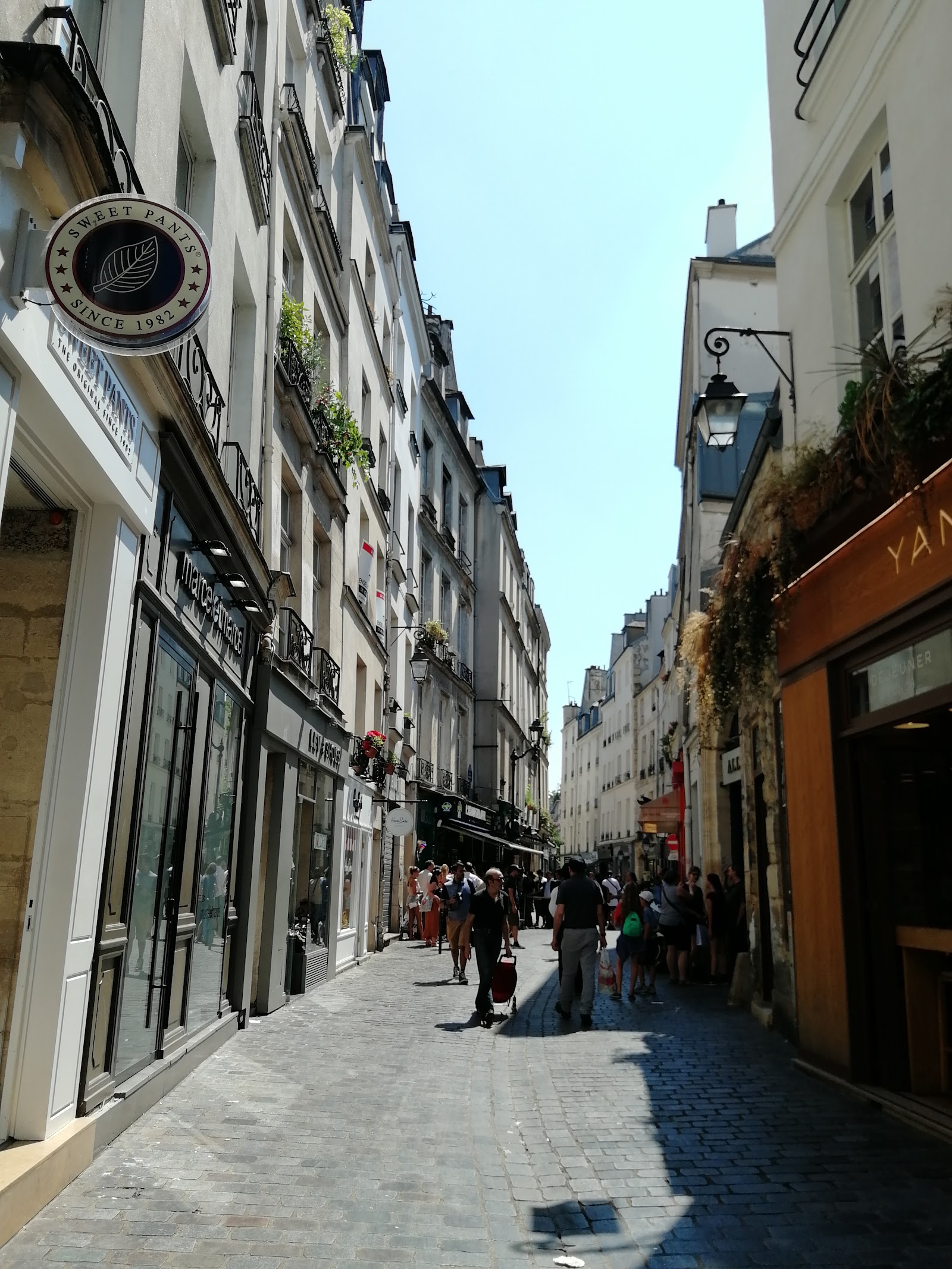
Rue des Rosiers — The Pletzl

Rue des Rosiers — The Pletzl

Paris, France

The narrow street ahead is the Rue des Rosiers, the street of the rosebushes. What it usually smells like is frying chickpeas, cumin, and warm bread. This is the Pletzl.

The narrow street ahead is the Rue des Rosiers, the street of the rosebushes. What it usually smells like is frying chickpeas, cumin, and warm bread. This is the Pletzl. It's Yiddish for little place, and it has been the heart of Jewish Paris since the twelve hundreds. Almost nothing in this city is older than this community's claim to these few blocks.

It was never a quiet claim. Medieval kings expelled the Jews of France again and again. The expulsions had a strange habit of arriving whenever the Crown was drowning in debts to Jewish lenders. Philip the Fair threw them out in thirteen oh-six and confiscated everything they owned, which cleared his debts wonderfully. Each time, eventually, the community came back. In the late eighteen hundreds, a wave of Ashkenazi families arrived from Eastern Europe and filled these blocks with bakeries, delis, and tailor shops. Two of those storefronts are still going. The bright yellow one has been run by the Finkelsztajn family since nineteen for

ty-six. The blue one is covered in mosaic tile laid in the early thirties — officially protected, like a cathedral, except this monument sells pastrami.

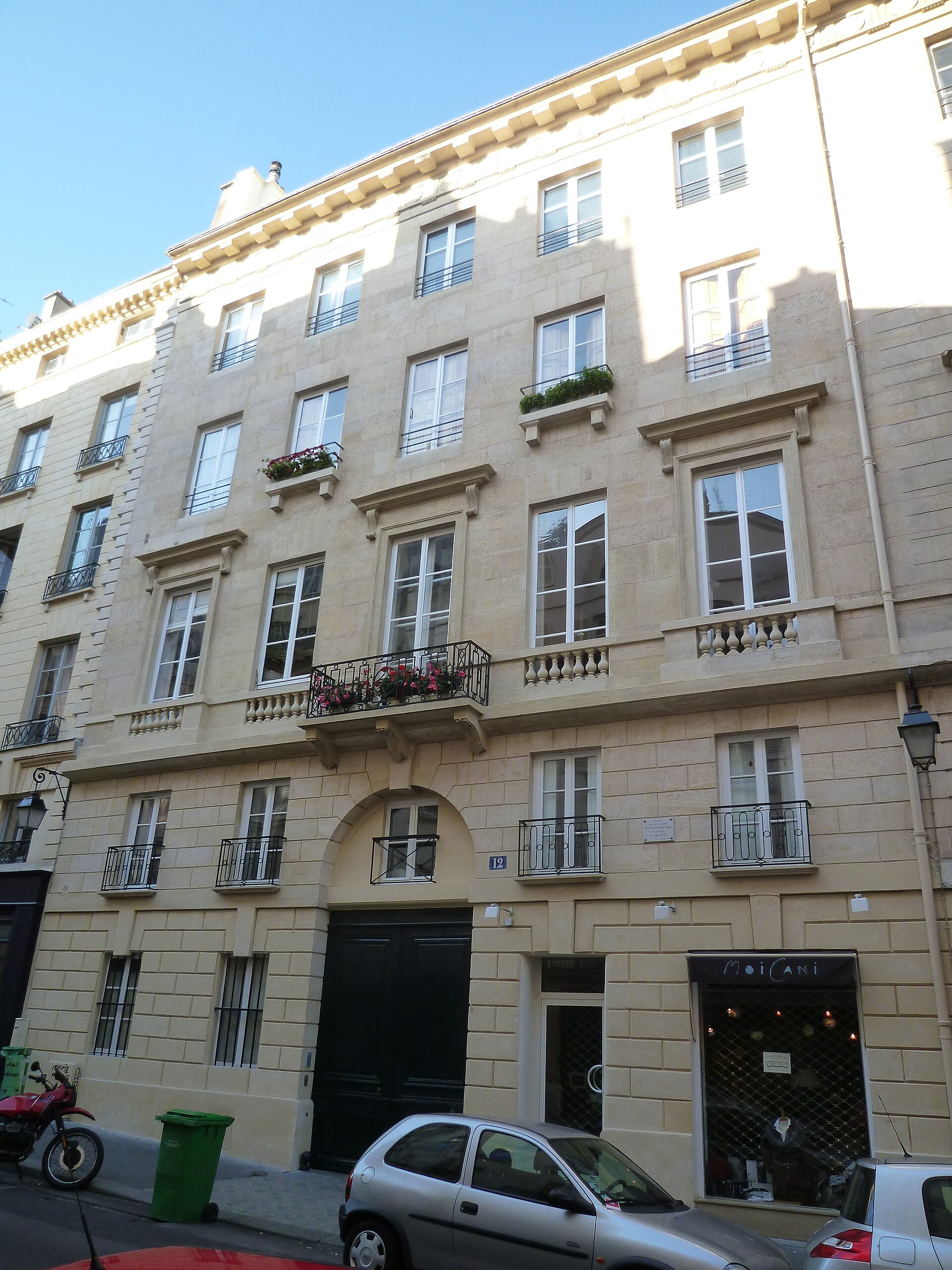
Then came the summer of nineteen forty-two, when French police swept Jewish Paris and arrested about thirteen thousand people in two days. Four thousand of them were children. Streets like this one went quiet. Around the corner, a school wall car
Hear the full story

Hear this story with audio narration in the Bad Historian app.

Get the App

Quick Facts

  • The Pletzl — Yiddish for "little place" — has been the heart of Jewish Paris since the 1200s
  • Philip the Fair expelled the Jews of France in 1306 and confiscated their property; expulsions repeatedly coincided with royal indebtedness to Jewish lenders
  • The yellow storefront has been run by the Finkelsztajn family since 1946; the blue storefront's mosaic tile from the early 1930s is protected as a historic monument
  • In July 1942, French police arrested about 13,000 Jewish Parisians in two days, including 4,000 children; a nearby school wall carries a plaque counting the students who never came back
  • Adolfo Kaminsky, a 17-year-old dye-shop apprentice whose family survived Drancy thanks to Argentine papers, was recruited by the Resistance because he knew lactic acid dissolves "indelible" blue ink
  • His arithmetic was real: "In one hour, I make thirty fake documents. If I sleep for one hour, thirty people die" — so he barely slept
  • He once produced 900 documents in three days to save 300 hidden children, working until he blacked out; the strain cost him the sight in one eye
  • He kept forging for 30 more years for people fleeing dictatorships, never accepting payment, and died in 2023 at 97 — his papers are credited with saving some 14,000 people
  • L'As du Fallafel, at 34 Rue des Rosiers since 1979, displays Lenny Kravitz's "best falafel in the world" verdict and wages a decades-long falafel war with rival Mi-Va-Mi across the street; both close for Shabbat
Featured Tour

Le Marais: Mansions, Masterpieces & the Best Falafel in Europe

9 stops • 33 min

View Tour

Location

Paris, France
Open in Maps