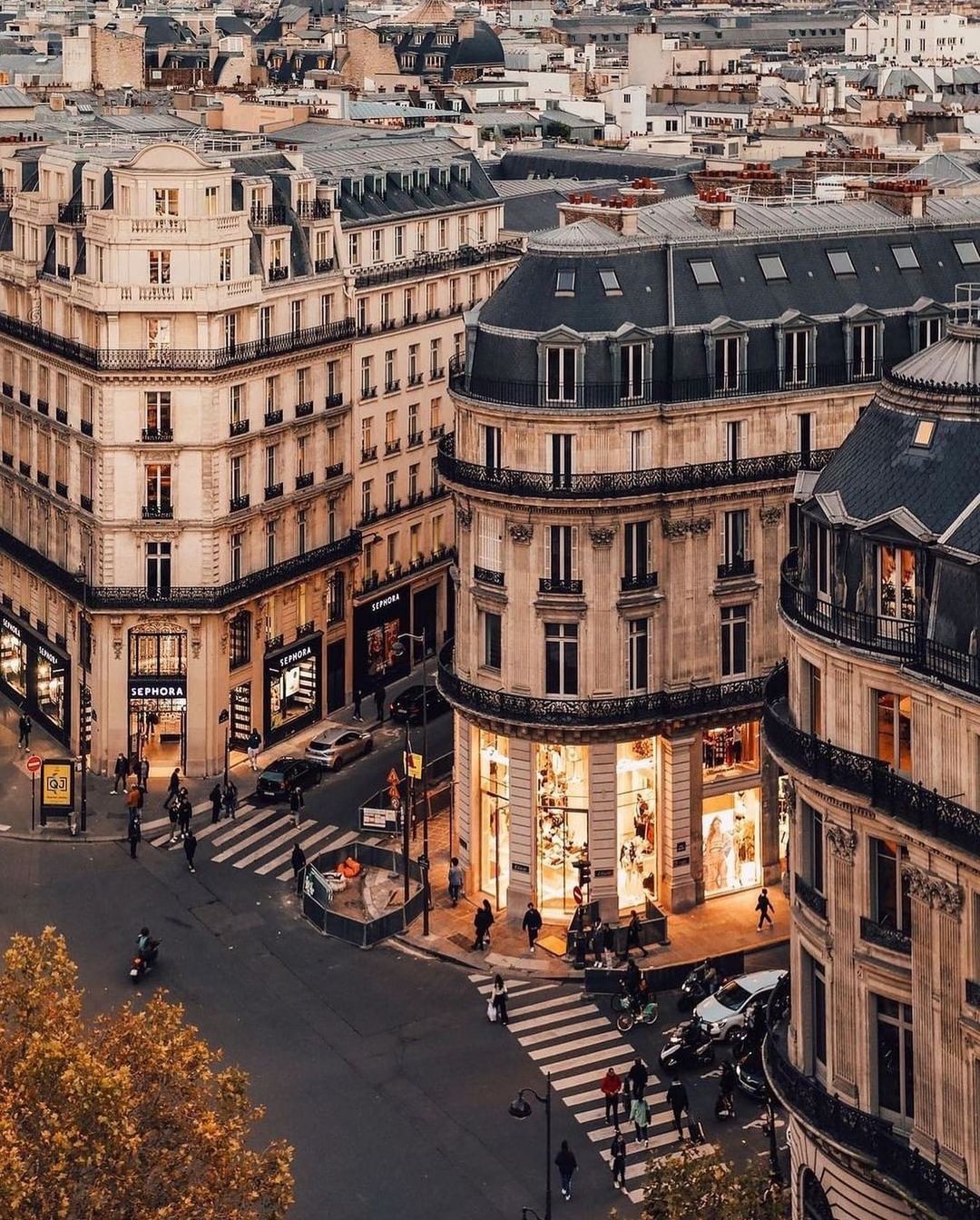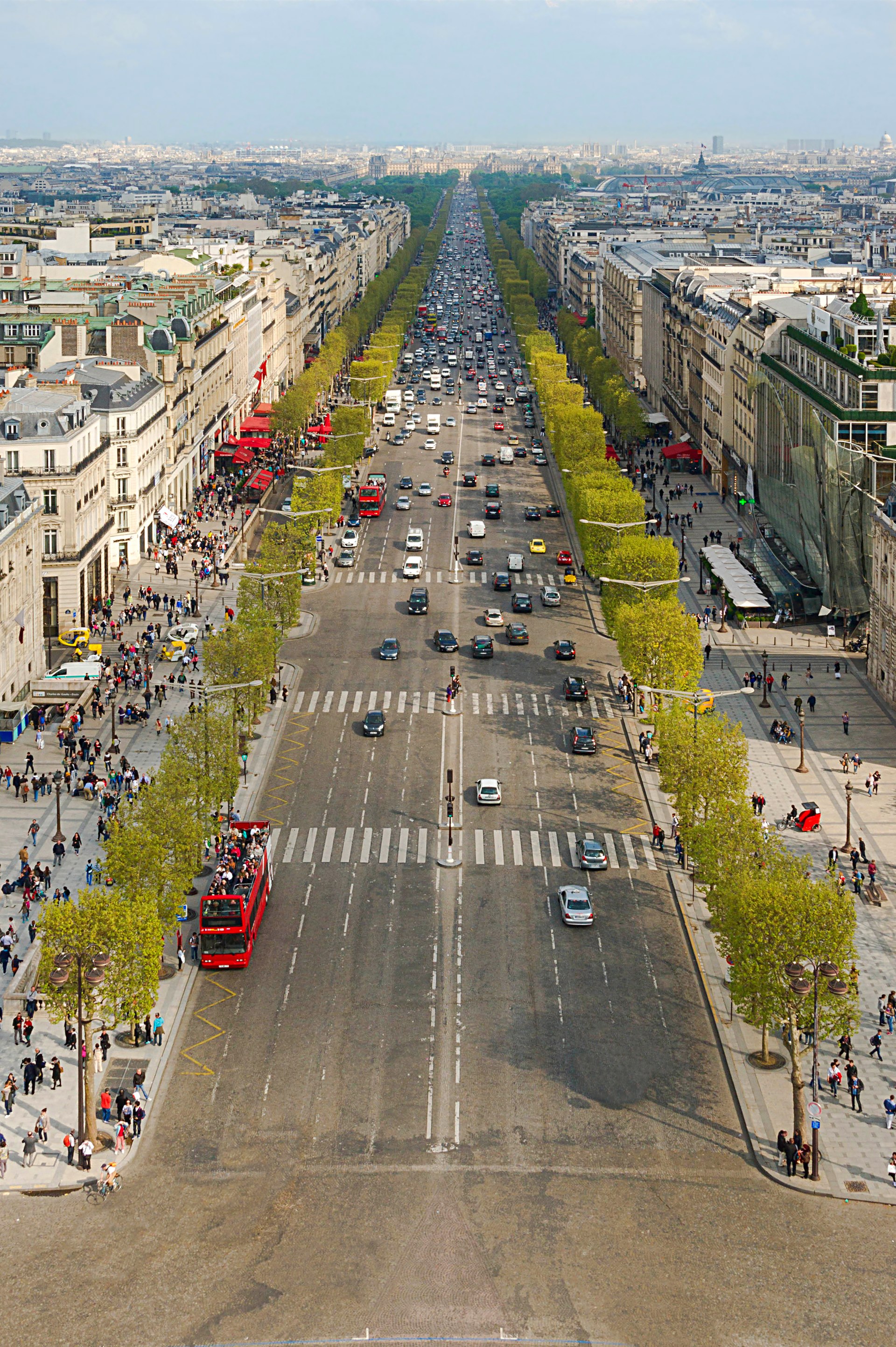
You've reached the Rue de Rivoli — the long straight street with the endless stone arcades. Arch after arch after identical arch, running toward the Louvre one way and the Place de la Concorde the other. Napoleon the First started these arcades. Haussmann stretched the street and made its discipline the template for the whole city. One design, repeated until it becomes a skyline. If you were ever going to understand Paris as a decision someone made, this is the street where you see the decision.
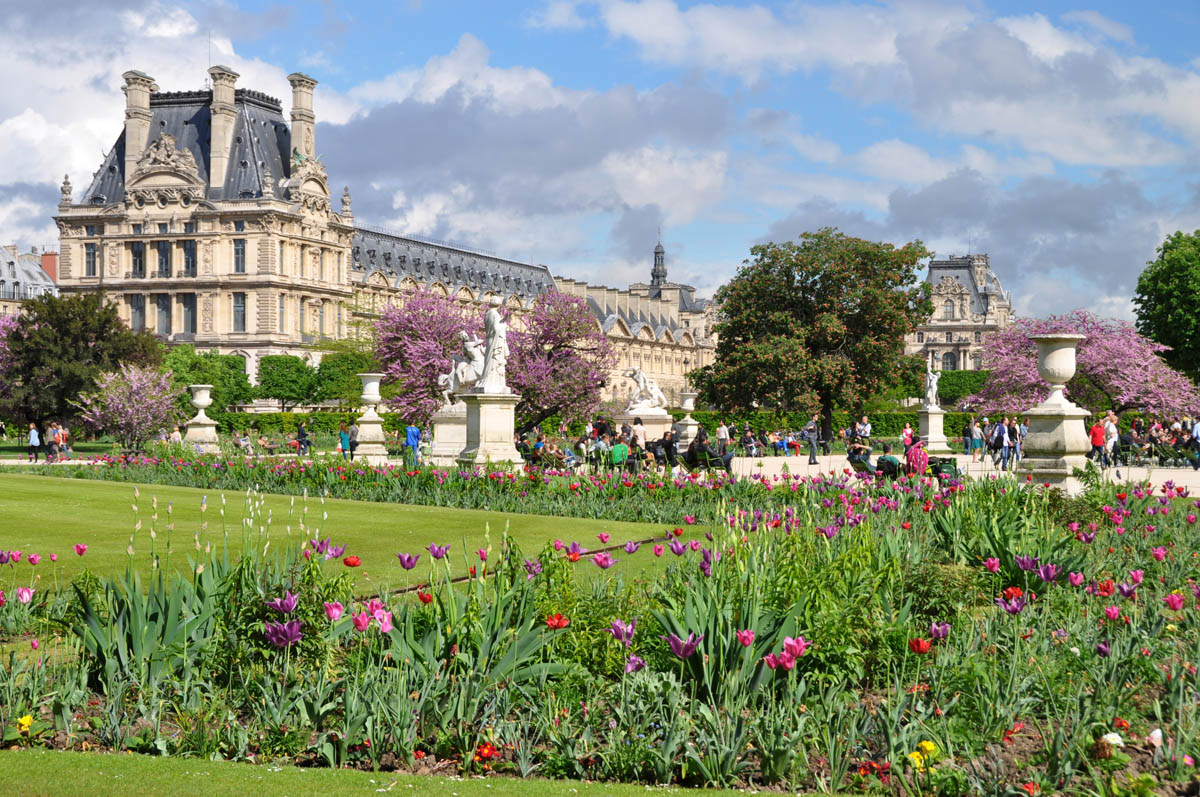
Now cross into the garden, because the garden is hiding something enormous. The Tuileries — the gravel paths, the fountains, the chairs people drag around to face the sun. For three hundred years, the Louvre end of this garden wasn't open air. It was a palace. The Tuileries Palace — home to Louis the Sixteenth after Versailles, then Napoleon, then the kings after him, then Napoleon the Third. The center of French power stood right here, a building so long it sealed the entire west end of the L
ouvre like a lid.
In May eighteen seventy-one, during the Commune's last week, twelve men walked through the palace with petroleum, liquid tar, and turpentine. They painted it onto floors and curtains, room by room, and lit it. The fire burned for two days. The palace where emperors were made came out of it a blackened stone shell, and no government could agree on what to do next. So the ruin jus