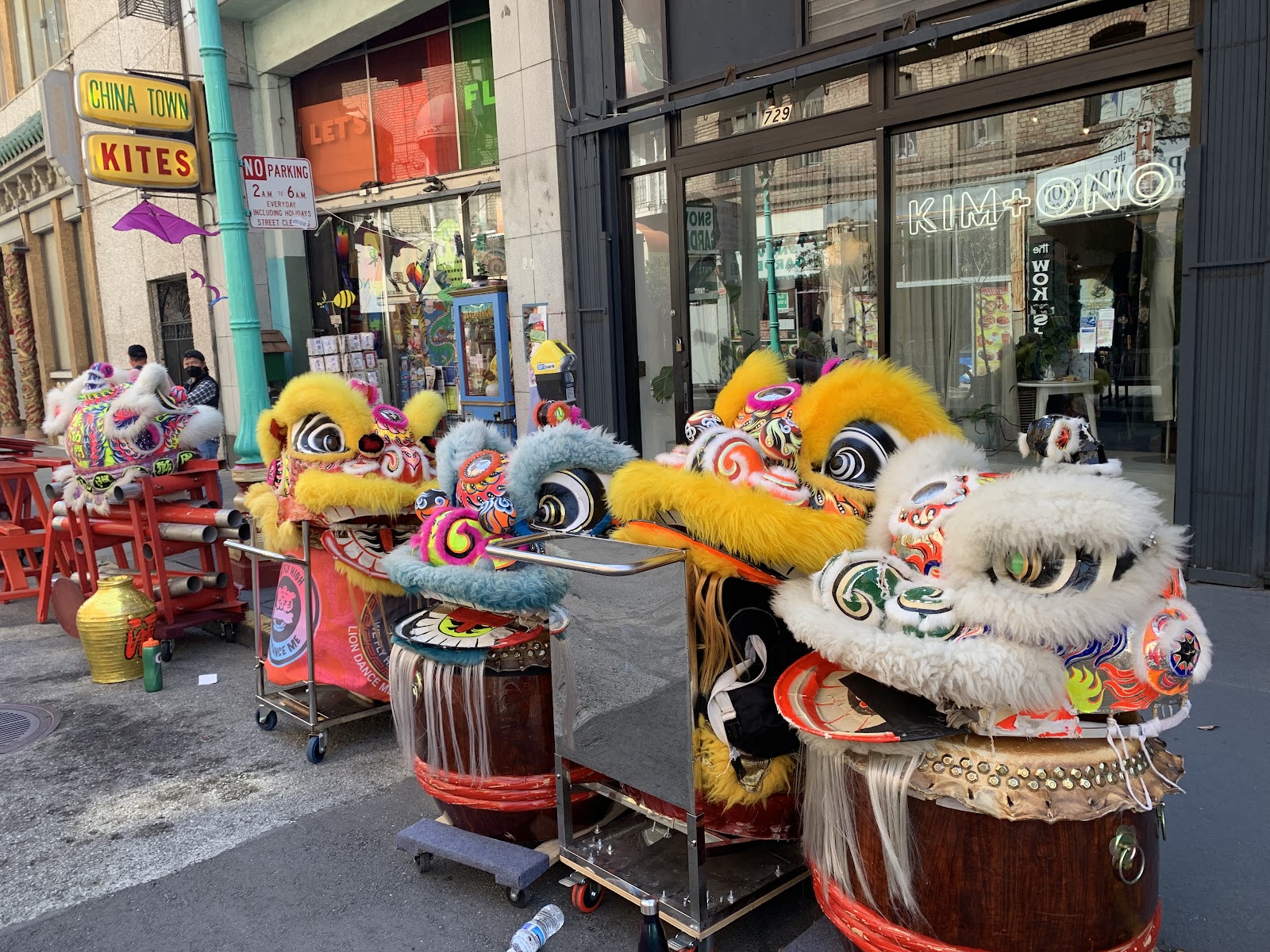
You're looking at the Dragon Gate — the entrance to the oldest Chinatown in North America. The smell hits you before you even walk through — incense, roasted duck, ginger, sesame oil, all layered on top of each other. The community has been here since the Gold Rush. The gate itself came along in the late sixties as a gift from Taiwan, but what's behind it is a hundred and twenty years older.
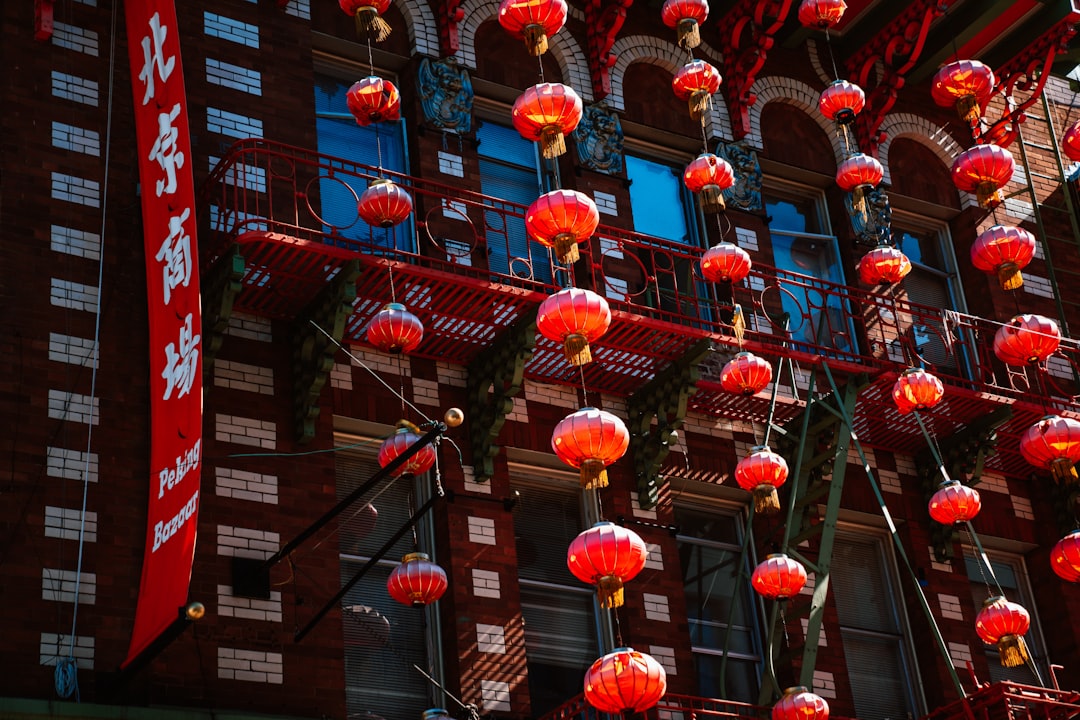
Here's the first thing you should know. Every pagoda-topped building you see on Grant Avenue — every curved roofline, every painted balcony, every piece of architecture that looks authentically Chinese — was designed by white architects who had never been to China.
After the nineteen oh-six earthquake, the city didn't rebuild Chinatown. They tried to get rid of it. Within six days, City Hall formed a committee with a very specific name: the Committee on the Relocation of Chinatown. The plan was to move the entire Chinese community to Hunter's Point, on the remote southern edge of the city. The Ch
ronicle wrote that the destruction had "given rise to a hope" that Chinatown might now be "moved far from the center of town."
A businessman named Look Tin Eli came up with a countermove. He hired architect T. Paterson Ross and engineer A.W. Burgren — neither of whom had set foot in China — and told them to build a fantasy. Pagodas, dragon motifs, lanterns, ornamental balconies, all of it pulled