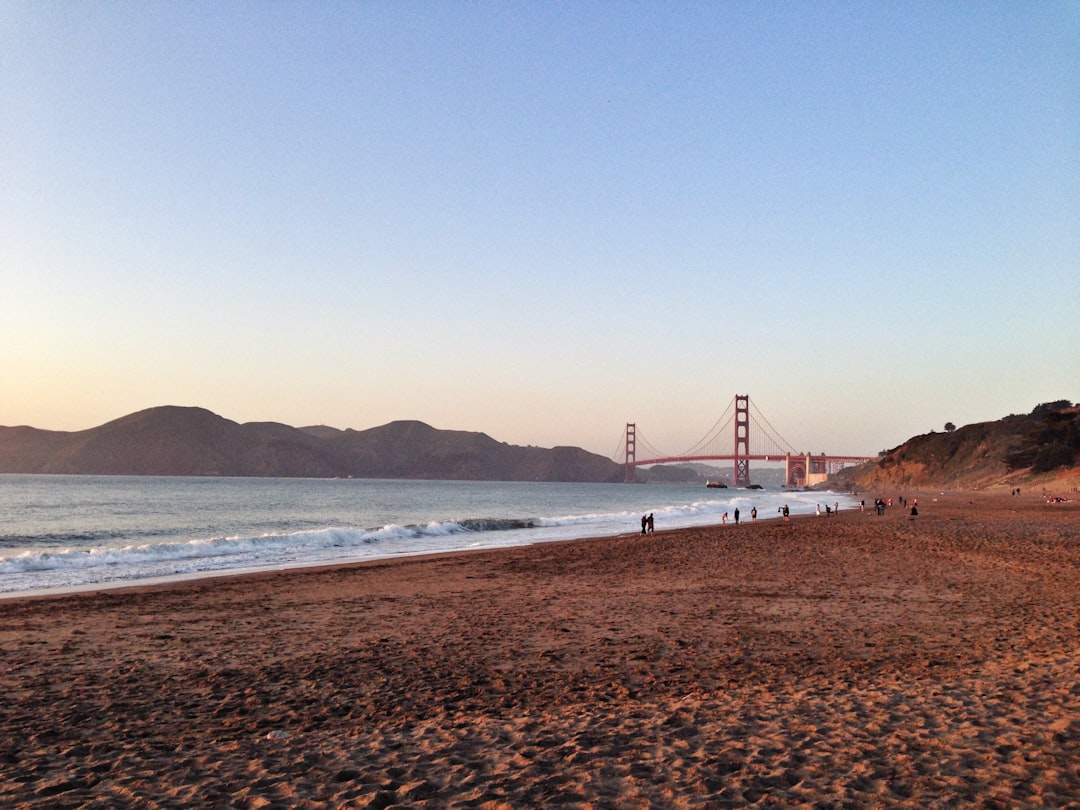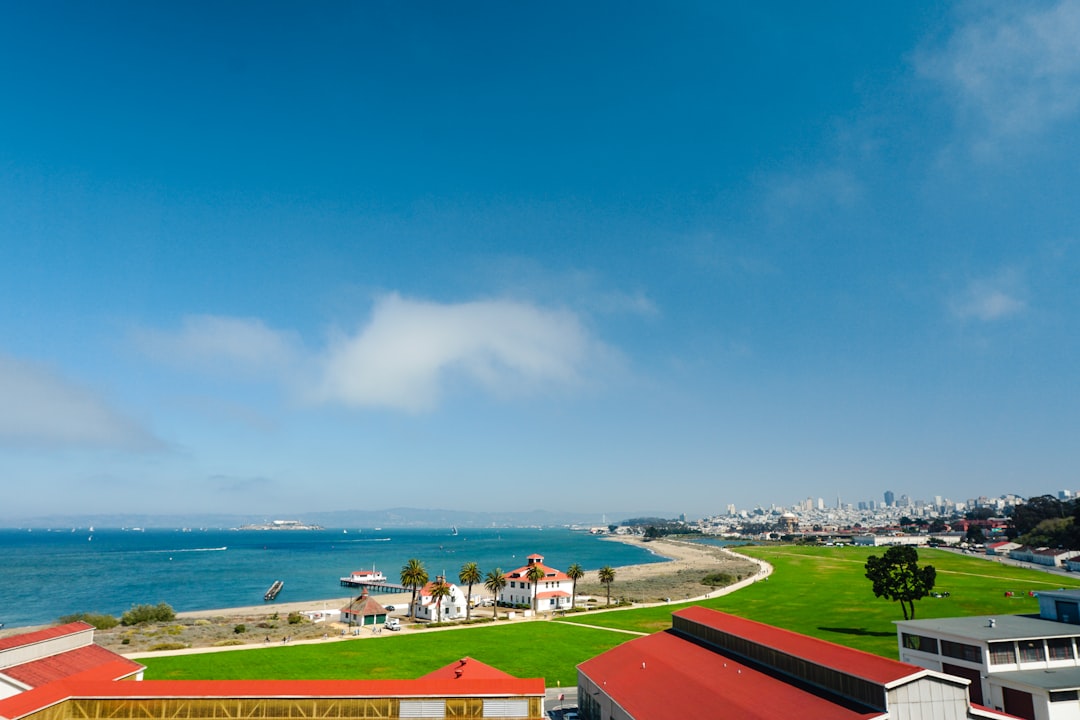
Crissy Field. Right now you're looking at a gorgeous stretch of restored marshland along the waterfront — birds, native grasses, tidal pools, the bridge in the distance. It is beautiful and it has been a catastrophe for most of its existence.
This was originally a tidal salt marsh. Then the nineteen fifteen World's Fair filled it in with rubble and debris to make flat ground for exhibit halls. Then the Army turned it into an airfield. Then the airfield closed and it became a dumping ground. By the nineteen eighties, there were eighty-seven thousand tons of hazardous material in the soil — asbestos, lead, petroleum, the works. This pristine waterfront paradise was a Superfund site.
The airfield is named after Major Dana Crissy, and his story is quick and brutal. In nineteen nineteen, the Army held a transcontinental air race — fly from New York to San Francisco as fast as possible. Crissy's plane crashed on the first day. He died on the first leg of the race that named his field. He n
ever saw it.
But the airfield itself had one extraordinary moment. In nineteen twenty-four, a pilot named Russell Maughan attempted the first dawn-to-dusk transcontinental flight — take off from New York at sunrise and land in San Francisco before dark. He flew a Curtiss pursuit plane across the entire country in one day. When he reached San Francisco after sunset, the field was pitch black. He c