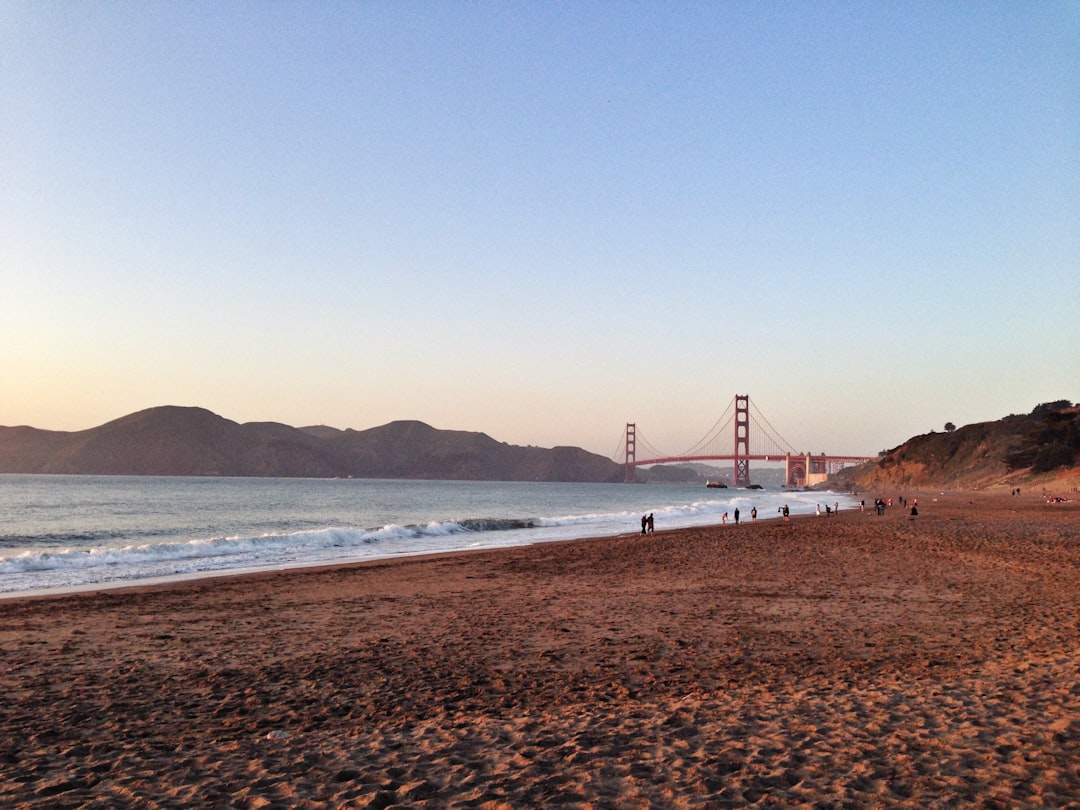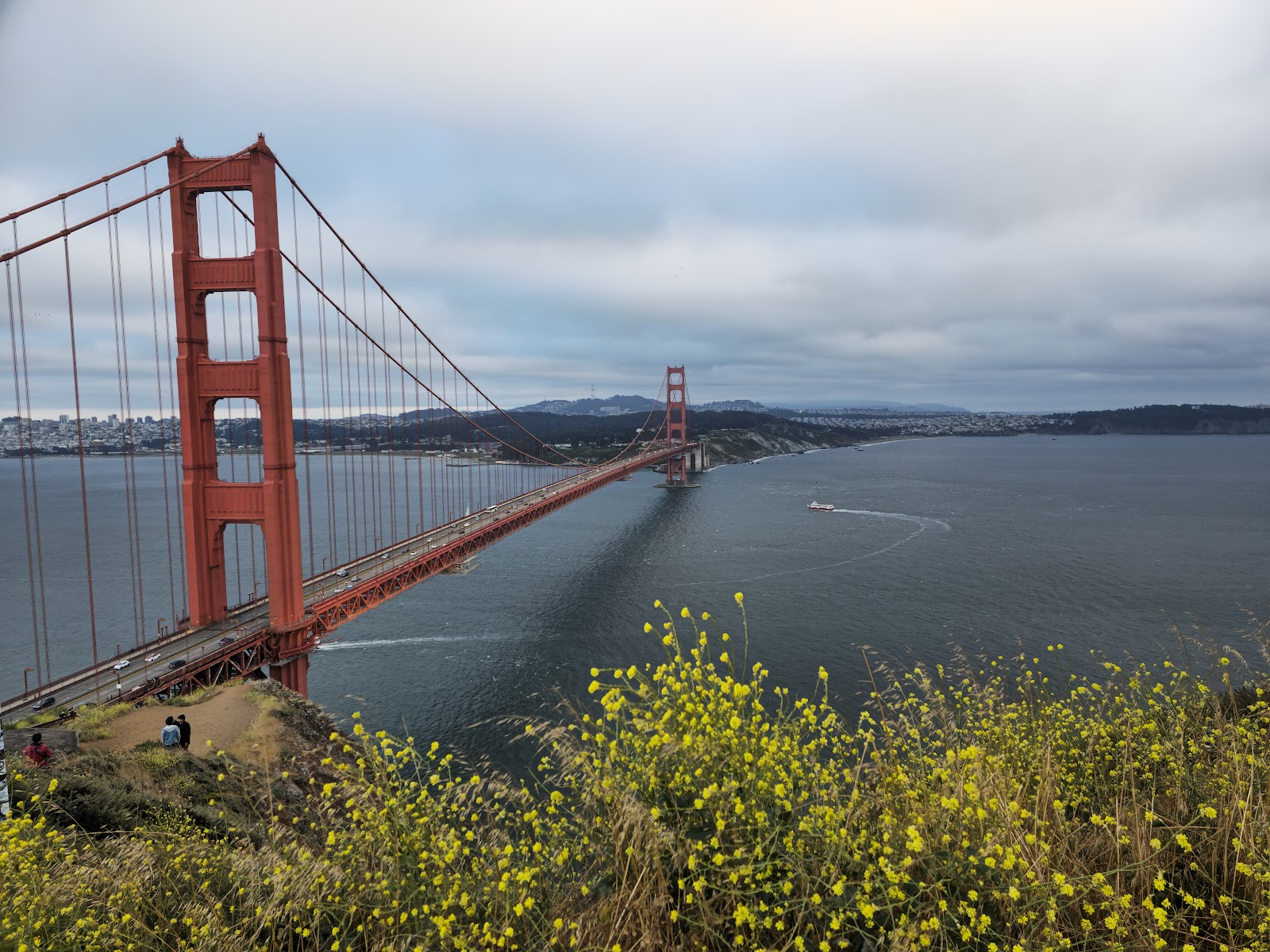
There it is. You've seen it a thousand times — on postcards, in movies, through fog. But now you're here, and the first thing you should know is that this bridge almost didn't happen, and the second thing is that the color was almost the ugliest thing you've ever seen.
The chief engineer was a man named Joseph Strauss — five foot three, combative, relentless, and absolutely convinced he could build a bridge that every engineer in the country said was impossible. The tidal currents through the Golden Gate run at seven and a half miles per hour. The fog cuts visibility to nothing. The wind never stops. The War Department initially opposed the project because they worried a damaged bridge could block the entire bay for naval traffic.
But the real opposition came from the Southern Pacific Railroad, which operated the ferry system and had no interest in a bridge that would put them out of business. Strauss spent more than a decade fighting lawsuits, political opposition, and engineering d
oubts before construction started in early NINETEEN THIRTY-THREE.
And then he did something nobody expected — he made it safe.
Construction in that era was brutal. The rule of thumb was one worker killed for every million dollars spent, and for a thirty-five-million-dollar bridge, that meant thirty-five expected deaths. Strauss required hard hats — one of the first major construction projects to