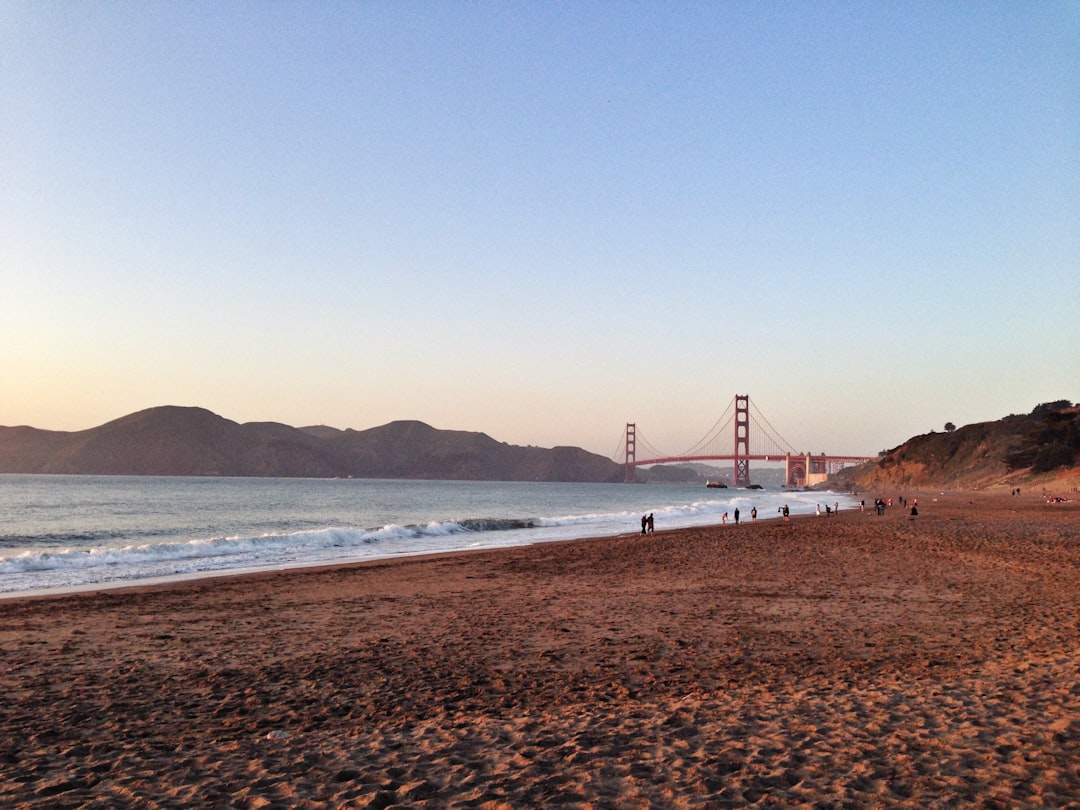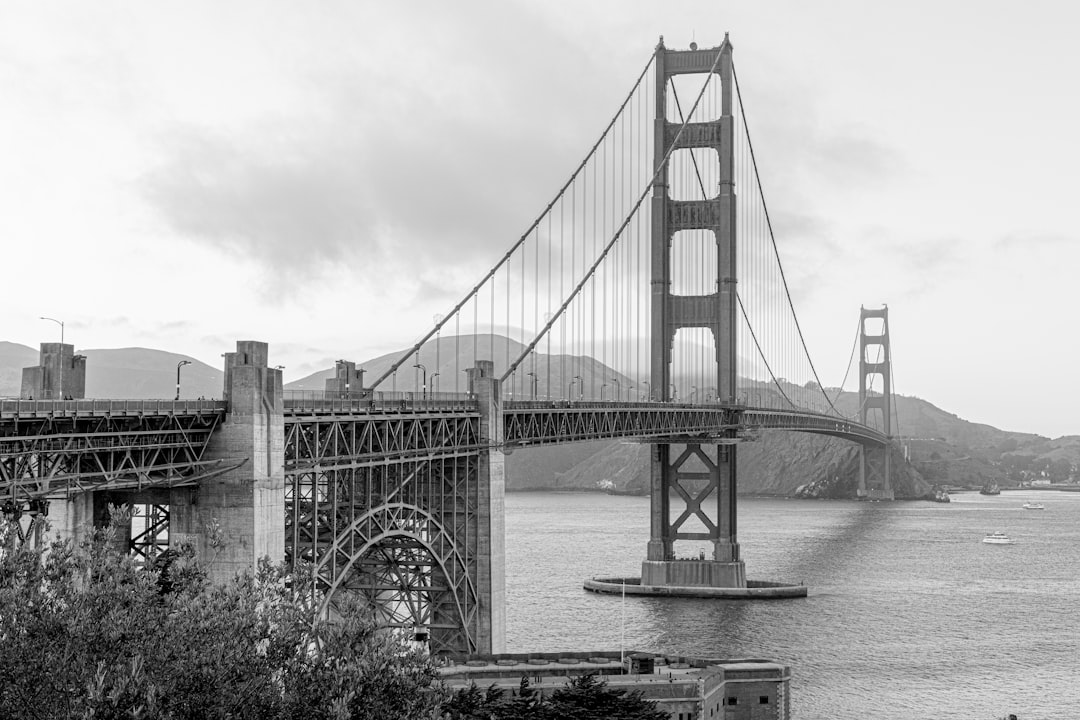
The Golden Gate Bridge. You've seen it a thousand times in photographs, and I promise you it looks different when you're standing here. The scale is wrong. Your brain can't process it. The towers are seven hundred and forty-six feet tall and they disappear into the fog like they just keep going.
The man who gets credit for this bridge had never designed a suspension bridge. Joseph Strauss had built four hundred drawbridges — those little ones that go up and down over rivers to let boats through. Four hundred of them. He was the drawbridge king. And in nineteen seventeen, he looked at the Golden Gate strait. A mile of open water. Brutal currents. Hundred-mile-an-hour winds. A channel so deep the Navy said it was unbridgeable. And he said, I can do that.
His first design, in nineteen twenty-one, was a nightmare. It was a hybrid cantilever-suspension thing that looked like an upside-down rat trap. Engineers hated it. The press hated it. The city engineer of San Francisco looked at the d
rawings and called it, quote, an insult to the eye of any person of reasonable taste. That is a devastating review from a civil servant.
But Strauss was relentless. He spent twelve years lobbying. He gave speeches. He wrote pamphlets. He testified at hearings. He convinced a banker named Amadeo Giannini — the founder of Bank of America — to buy six million dollars in bridge bonds when no other ba