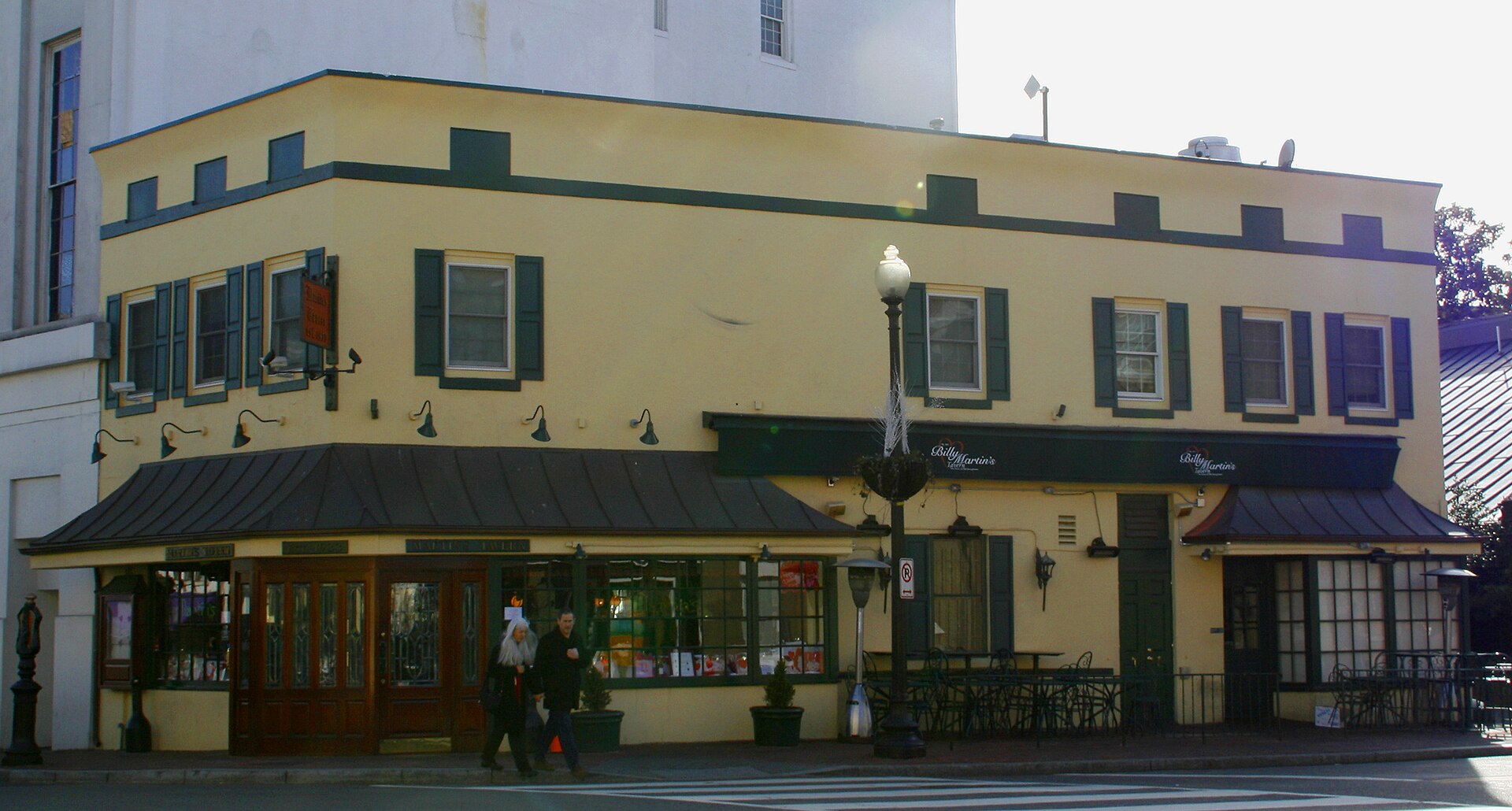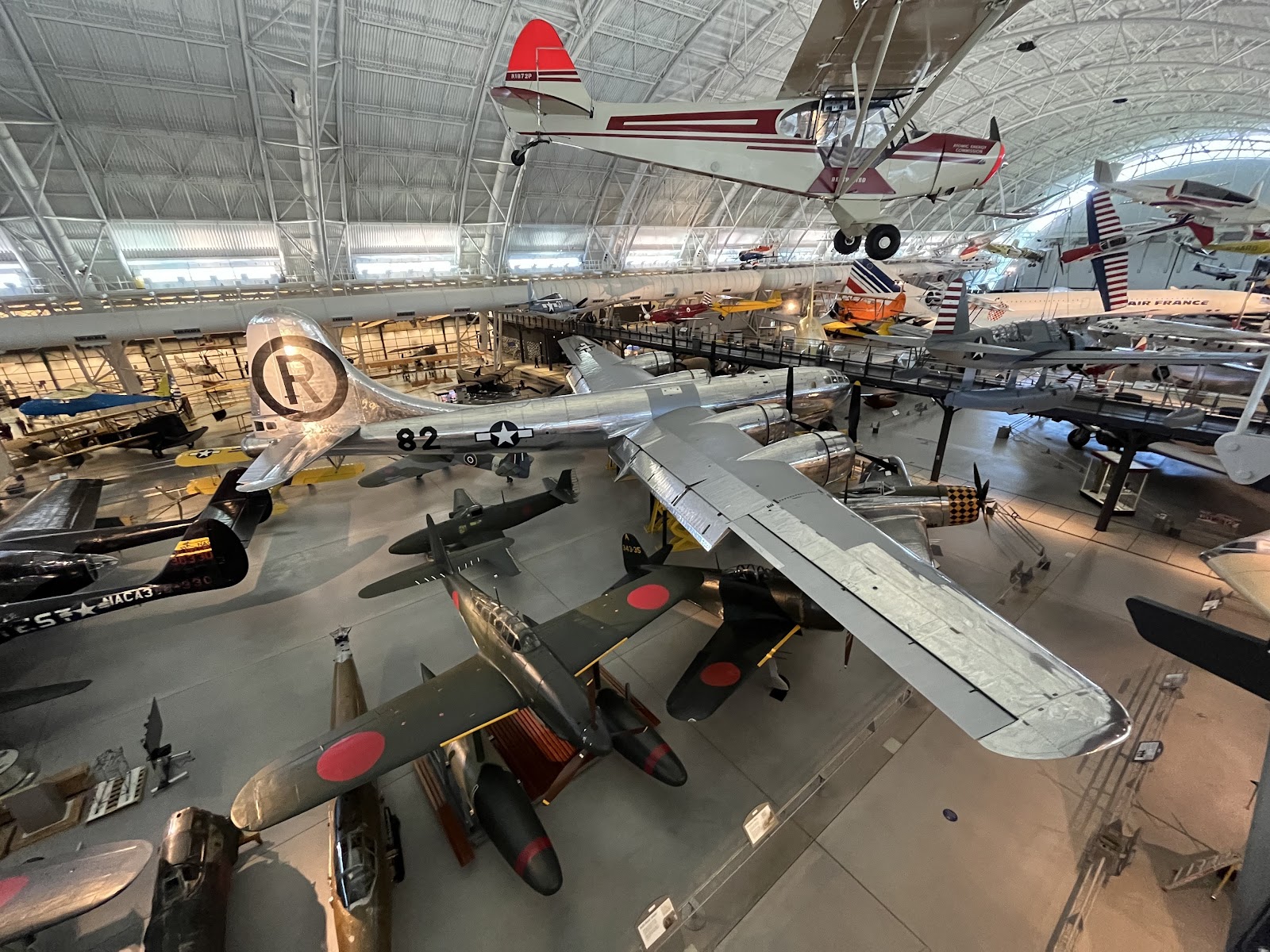
The National Air and Space Museum. You're looking at the building that, at its peak, was the most visited museum in the world — nine million people a year. When it opened in nineteen seventy-six, the ribbon was cut by a signal sent from Mars. Not from a person on Mars — from the Viking One spacecraft orbiting the planet. The signal traveled from Mars to California to this building, where it activated a robotic arm that cut the ribbon. The most over-engineered ribbon cutting in history.
But we're here for an airplane. And the airplane is here because of a grudge.
In eighteen ninety-eight, the Secretary of the Smithsonian — a man named Samuel Pierpont Langley — got seventy thousand dollars from the War Department. The job — build a flying machine. His plan was to launch it from a spring-loaded catapult mounted on a houseboat in the Potomac River.
First attempt — October seventh, nineteen oh-three. The catapult fired. The aircraft reared up, folded in on itself, and plunged into the Po
tomac. The pilot, Charles Manly, was buried under the wreckage and had to be fished out. The New York Times called it a "flying machine fiasco."
Second attempt — December eighth. Same houseboat. Same catapult. Same Potomac. The aircraft collapsed after launch and Manly went into the river again — but now it was December in Washington, and the water was freezing. When they hauled him back aboard,