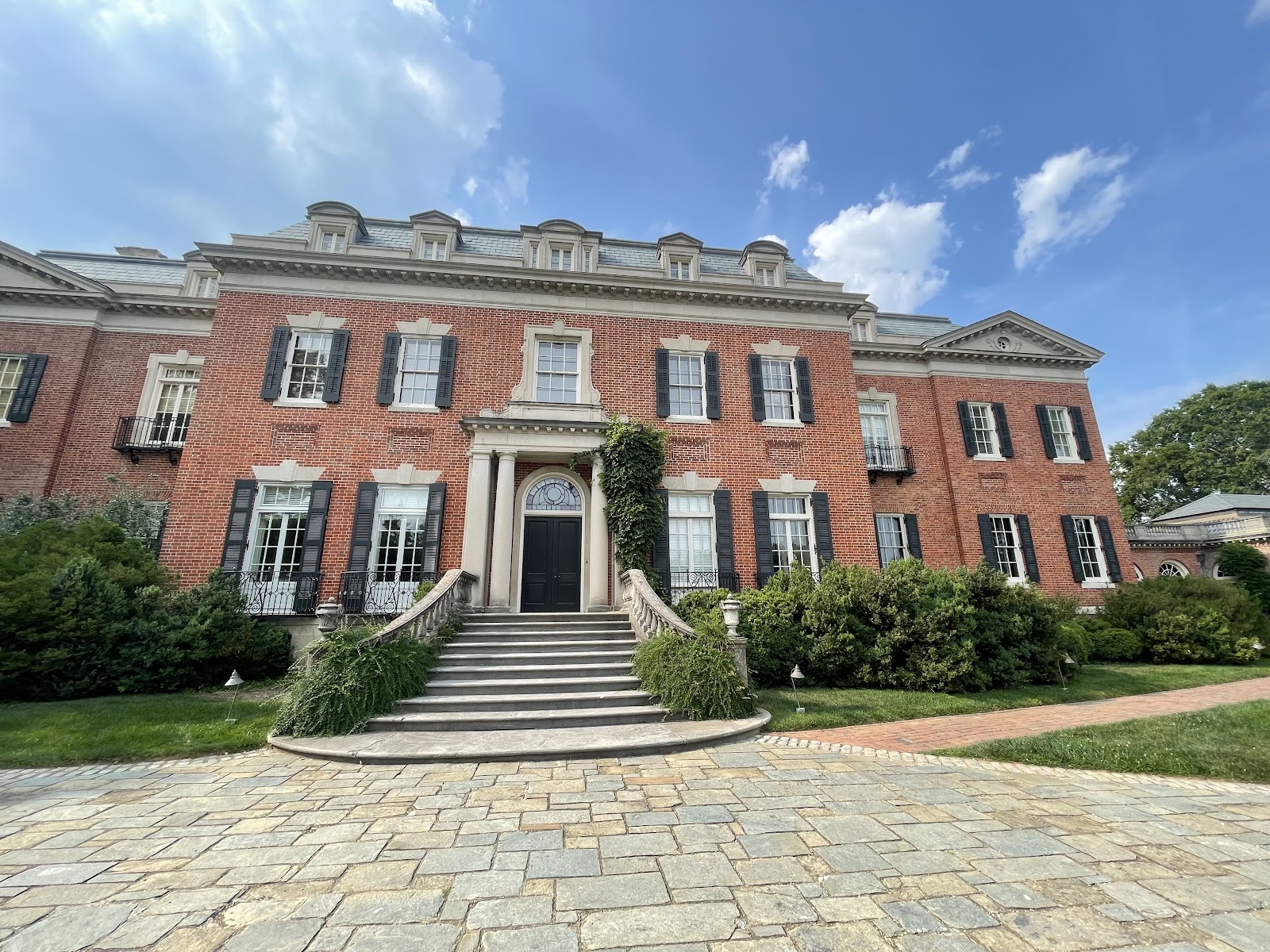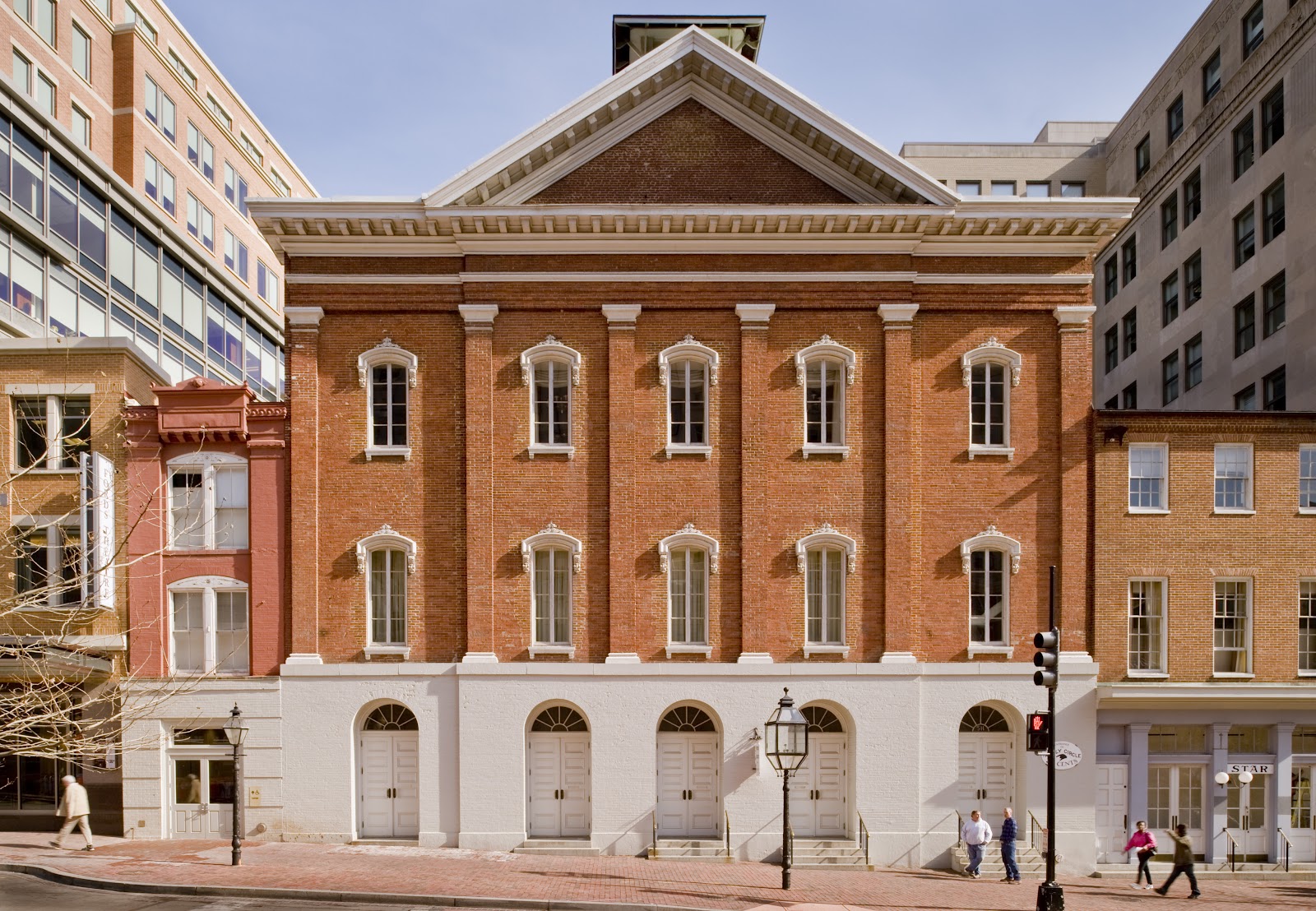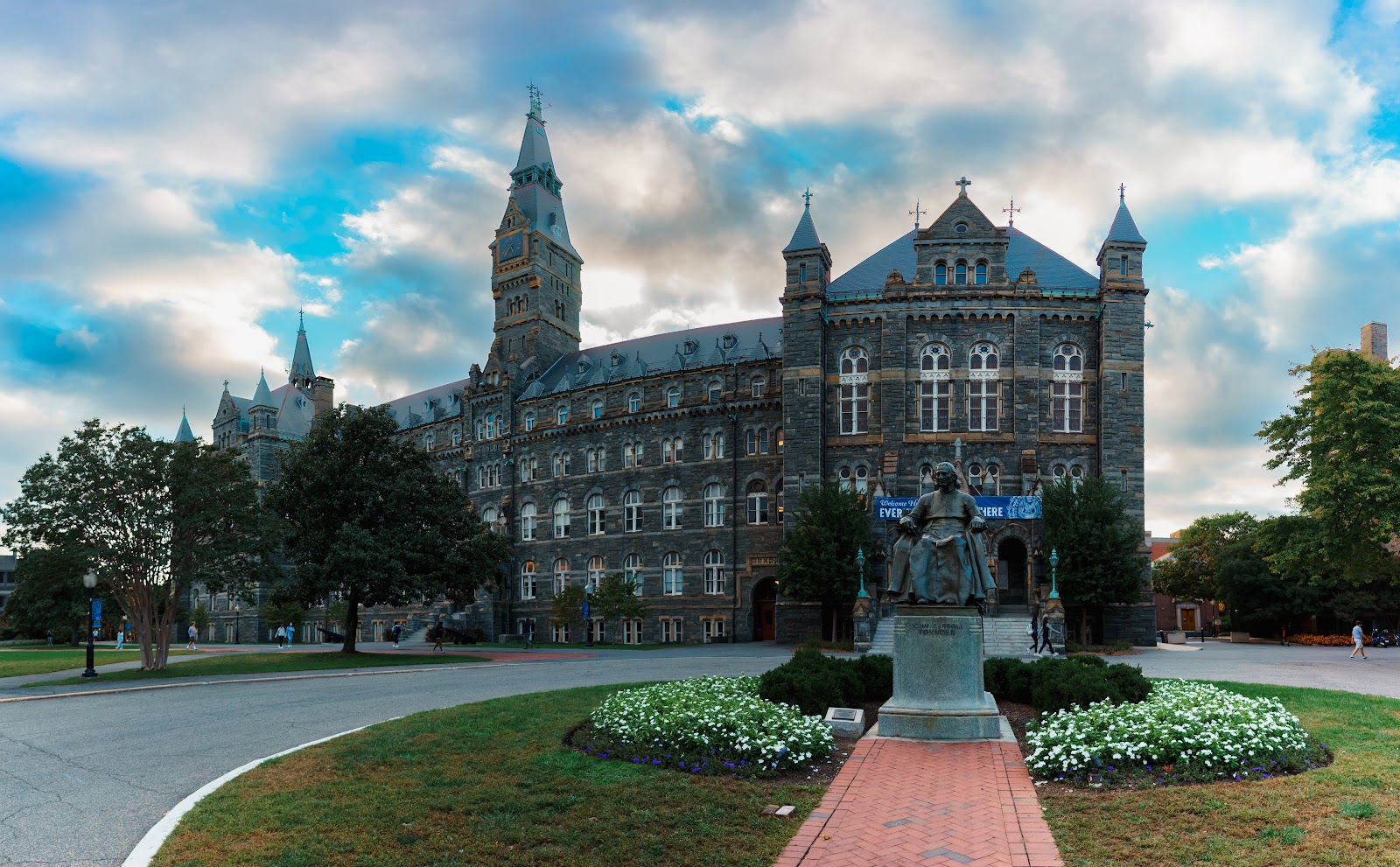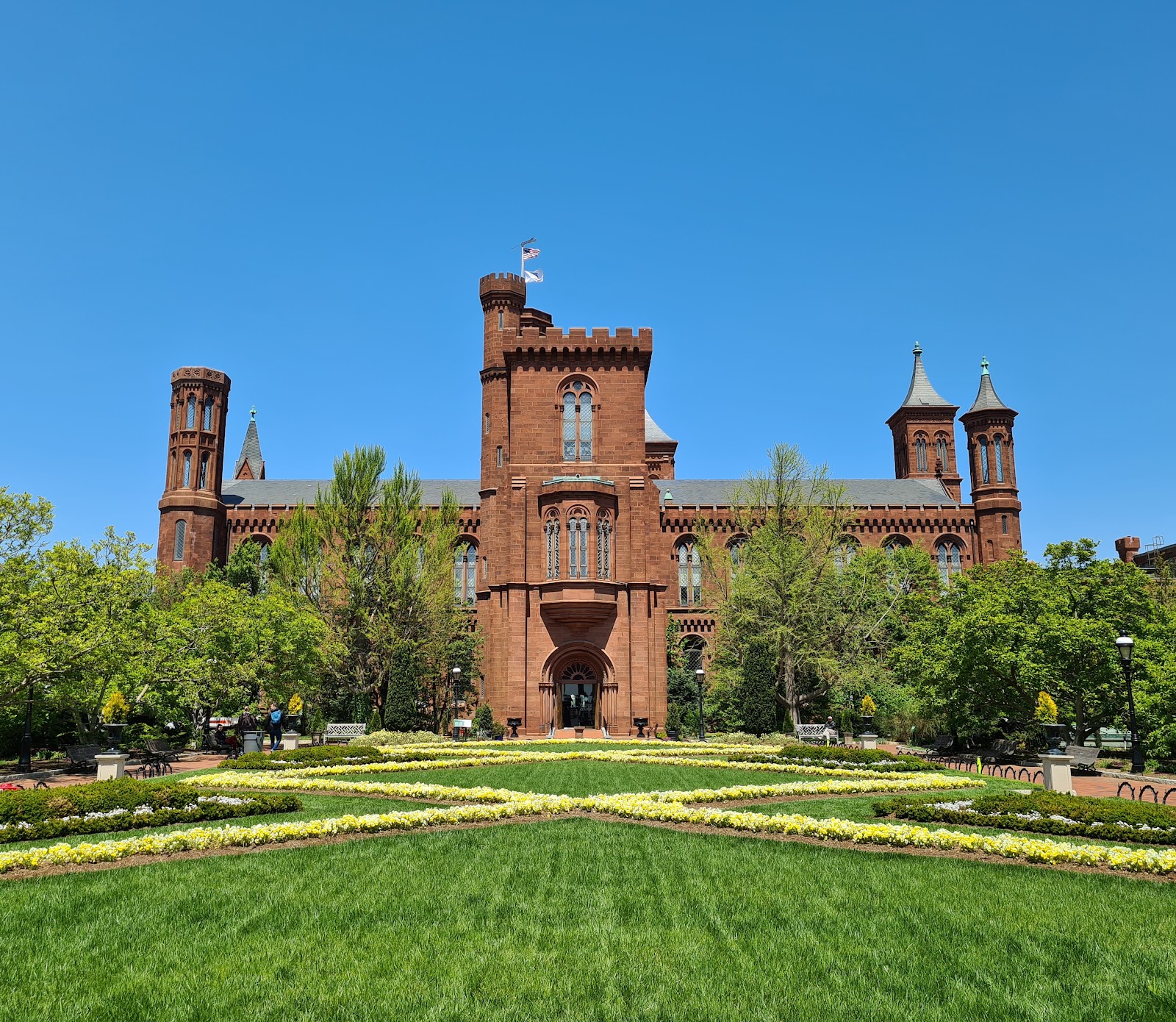
The Smithsonian Castle. Look at it — red sandstone, turrets, towers. It looks like it was lifted straight out of twelfth-century England. Which is the point. The architect deliberately echoed the English collegiate Gothic tradition. The irony is that the man this place is named for spent his whole life being shut out of exactly those institutions.
James Smithson. Born around seventeen sixty-five. We say "around" because even his birth year is a mystery — his tombstone says seventeen fifty-four, his Oxford records say seventeen sixty-five. An eleven-year gap that took over a century to resolve.
What we do know — he was illegitimate. His mother was a wealthy widow. His father was the Duke of Northumberland. Smithson grew up barred from using his father's name, barred from the army, the church, any respectable career. He became a chemist instead, published twenty-seven papers, and got elected to the Royal Society at twenty-two. And he once wrote — "My name shall live when the titles of
the Northumberlands are extinct and forgotten."
He wasn't kidding. When he died in eighteen twenty-nine, he left his entire fortune — about half a million dollars — to a country he had never visited. His will told America to build "an establishment for the increase and diffusion of knowledge among men." It also contained a smaller bequest — two hundred pounds to his valet, with the note, "for his